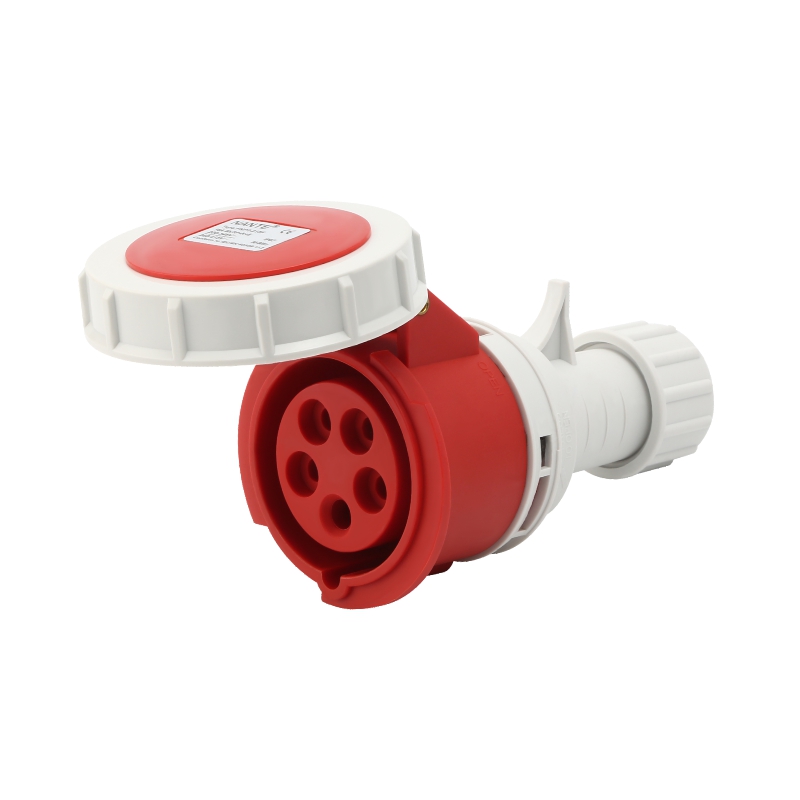
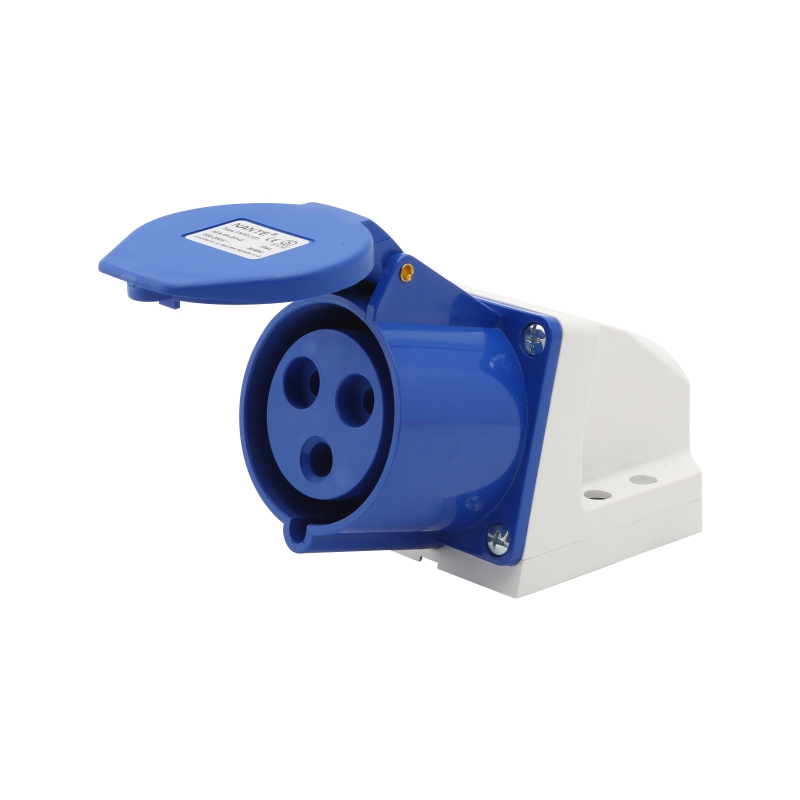
Where Are Industrial Concealed Socket Commonly Used
Industrial concealed socket are becoming more common in modern workspaces where power access needs to stay both practical and unobtrusive. Unlike exposed socket setups, they are designed to sit within surfaces or structures, remaining hidden when not in active use. This simple idea changes how space is planned, especially in environments where safety, movement, and appearance all matter at the same time.
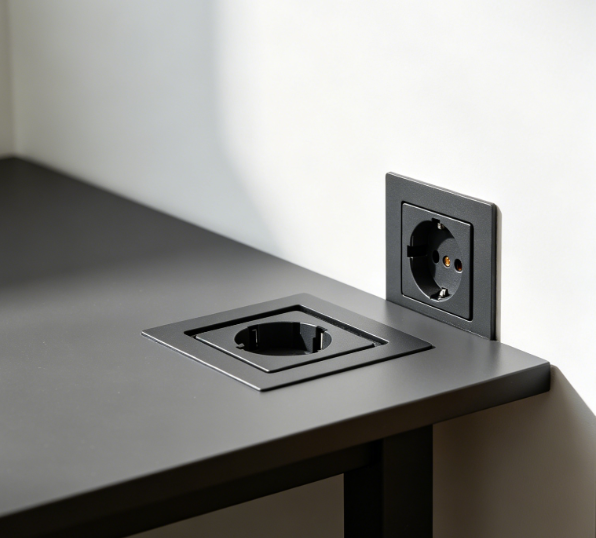
Their use is not limited to one type of industry. They appear in places where equipment changes often, where floors must stay clear, and where power access points need to be available without becoming obstacles.
Industrial spaces tend to evolve over time. Layouts shift, equipment moves, and workstations get rearranged depending on tasks. In such environments, fixed visible power points can sometimes limit flexibility.
A concealed socket solves part of this issue by staying hidden when not needed. It sits inside floors, walls, or work surfaces and only becomes visible when in use. This keeps the surrounding area clearer and reduces interference with movement.
In many facilities, workers move carts, tools, or materials across shared space. Any protruding element becomes something to navigate around. Concealed sockets reduce this friction by staying flush with the surface when closed.
Another reason for adoption is general workspace order. When power access points are not constantly exposed, the environment feels less cluttered. This is not only about appearance, but also about reducing unnecessary contact points in busy areas.
A simple comparison helps show the difference:
| Feature | Exposed Socket | Concealed Socket |
|---|---|---|
| Visibility | Always visible | Hidden when not used |
| Space impact | Fixed position | Minimal obstruction |
| Movement flow | May require avoidance | Easier navigation |
| Surface layout | Often interrupted | Cleaner layout |
Factory production floors are always dynamic, with equipment, tools and materials constantly being moved around. Floor and wall space is already fully utilised, so any extra power fittings have to fit naturally into daily work routines and never get in the way of operations.
Industrial concealed sockets are fitted in work areas that only need power for machines and tools on an occasional basis. There's no need to run long extension leads all over the floor anymore. Staff can get power right at their working spot whenever they need it — just open the socket cover, plug in the tool, then close it up again once the job is done or the workstation is moved elsewhere.
This setup saves workers from having to shift heavy machinery back and forth repeatedly. Tools can be powered up exactly where work is carried out, and disconnected neatly once finished.
Assembly lines often rearrange workstations to suit different production orders. Concealed sockets bring great flexibility here. There's no need to overhaul the whole electrical layout every time the production setup changes; the power supply can adapt along with it easily.
They also make the workshop safer and easier to move around in. In busy areas where staff and machines operate side by side, fewer loose cables mean fewer trip hazards and less unexpected downtime. The sockets sit flush within the floor or building structure, staying completely out of walkways and working routes.
Concealed sockets are also widely used in commercial settings, where practical power needs have to match neat interior design.
In offices, they are built straight into desks and meeting tables. Staff can easily power laptops and other office devices right where they work, with no unsightly permanent outlets or messy trailing wires. When not in use, the surface stays smooth and clean with nothing sticking out.
Retail stores install them in display zones to run temporary lighting and promotional equipment. When window or shelf displays get refreshed, the sockets stay hidden. The space can be rearranged freely without leftover exposed wires or obvious electrical fittings ruining the look.
For customer-facing service areas, hanging wires and visible power points look unprofessional and untidy. Concealed sockets keep the whole space tidy and polished, while still fully meeting everyday power usage needs.
At its core, the biggest strength of concealed sockets is flexibility. They deliver power exactly where and when it's required, without cluttering up the space or spoiling the overall visual layout.
Public environments require careful attention to safety and accessibility. Surfaces must remain clear to avoid unnecessary obstruction.
Concealed sockets are often used in areas where temporary power is needed, such as shared worktables, community zones, or multipurpose halls. When not in use, they sit level with the surface, reducing the chance of accidental contact.
In shared environments, usage patterns are not fixed. One moment a space may be used for collaboration, and later for a different activity. Power access needs to follow this flexibility.
Instead of installing multiple visible sockets across open areas, concealed options allow controlled access points that do not interfere with movement or layout changes.
A common layout approach can be summarized as:
This type of setup is especially useful in spaces that change function throughout the day.
Workshops and repair environments often involve tools that move frequently between different points. Power needs are not fixed in one location.
A concealed socket allows power access to follow the task rather than forcing the task to follow the socket. This small change in layout logic can make movement more natural.
Work surfaces stay clearer when sockets are not in constant view. Tools and materials can be placed without needing to work around fixed protrusions.
In some cases, multiple work zones share the same area. Instead of assigning permanent visible power points to each zone, concealed sockets can support flexible usage depending on workload.
This also helps reduce cable spread across the working area. Shorter connections often to less clutter during active tasks.
The result is not a more complex setup, but a more adaptable one.
Transportation hubs, maintenance zones, and vehicle service areas often require temporary power support for inspection tools or cleaning equipment.
These environments are usually active, with vehicles or machinery moving in and out of position. Space must remain open and easy to navigate.
Concealed sockets help by staying out of the way when not needed. When a task begins, power access is available at ground level or surface level without needing permanent visible fixtures in every direction.
Maintenance work often shifts location depending on what is being serviced. A flexible power access point reduces the need to bring equipment back to fixed stations repeatedly.
In busy environments, small reductions in movement distance can make daily work more fluid.
In building design, surface organization is becoming more important. Architects and planners often consider how people move through space before deciding where utilities should appear.
Concealed sockets fit into this idea because they do not interrupt visual lines or floor layouts when not in use. This allows more freedom in how space is arranged.
In open-plan areas, visible utility points can limit design flexibility. Concealed systems allow surfaces to remain visually continuous, which helps when layouts are expected to change over time.
They also support multipurpose rooms. A single area may serve different functions across different times of use. Power access becomes part of the background structure rather than a fixed visible element.
This approach focuses on adaptability rather than static placement.
Movement in a workspace is not only about people walking from one point to another. It also includes how equipment, carts, and materials travel through the area.
When sockets are visible and fixed in place, they can sometimes influence how movement paths are formed. People naturally adjust routes to avoid them.
Concealed sockets reduce this influence. Since they remain flat and hidden when not in use, movement paths are less likely to change because of electrical access points.
This creates a more open floor experience. The space feels less segmented and more continuous.
In busy environments, even small reductions in physical obstacles can make movement feel more natural.
As work and public spaces continue to shift toward flexible use, concealed sockets are appearing in more varied locations. They are no longer limited to specialized environments.
They can be found in places where layout changes are frequent, where space needs to stay visually clean, or where temporary power access is part of regular activity.
Their use reflects a broader shift in how spaces are designed. Instead of fixed utility points dictating layout, the layout itself becomes more adaptable, with utilities supporting that flexibility quietly in the background.
 +86-577-62731897
 shireen@nante.com
 No.688 chezhan Road, Liushi town, Wenzhou, China
Copyright © 2024 Fly-Dragon Electrical Co., Ltd. All Rights Reserved.
 浙公网安备33038202003041号
 Privacy
Outdoor Socket Box Factory & Outdoor Electrical Distribution Panel Factory



 English
 Español
 Português
 Deutsch