What Factors Affect the Durability of Industrial Surface Mounted Socket
 Home / News / Industry News / What Factors Affect the Durability of Industrial Surface Mounted Socket
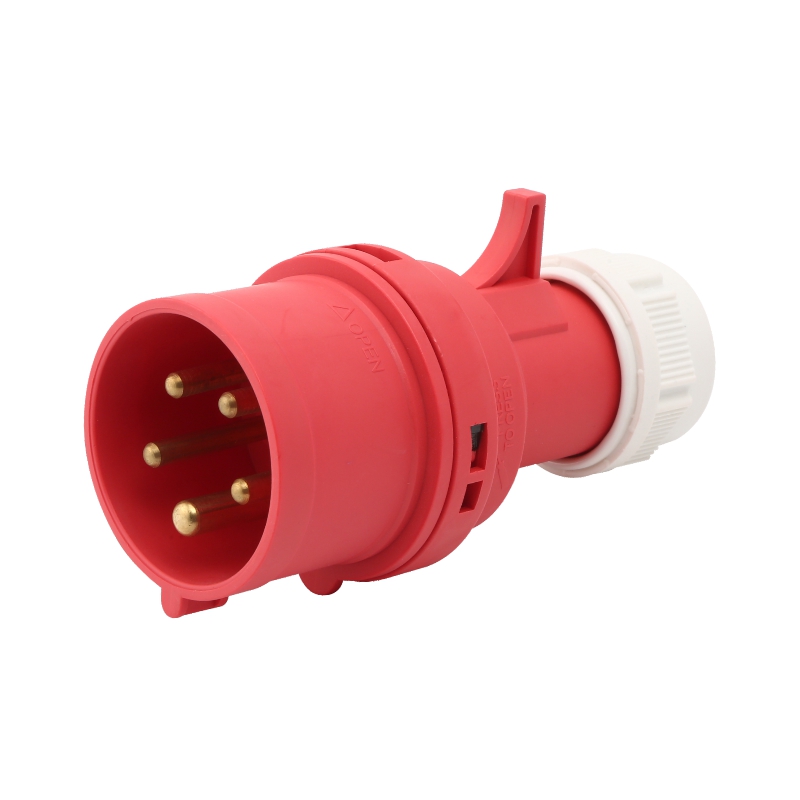
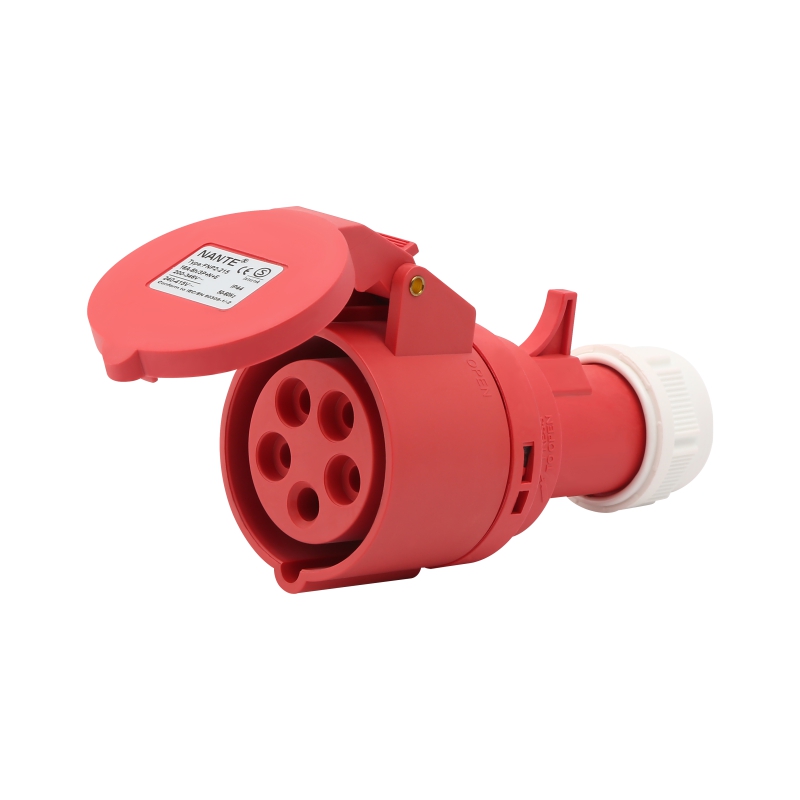
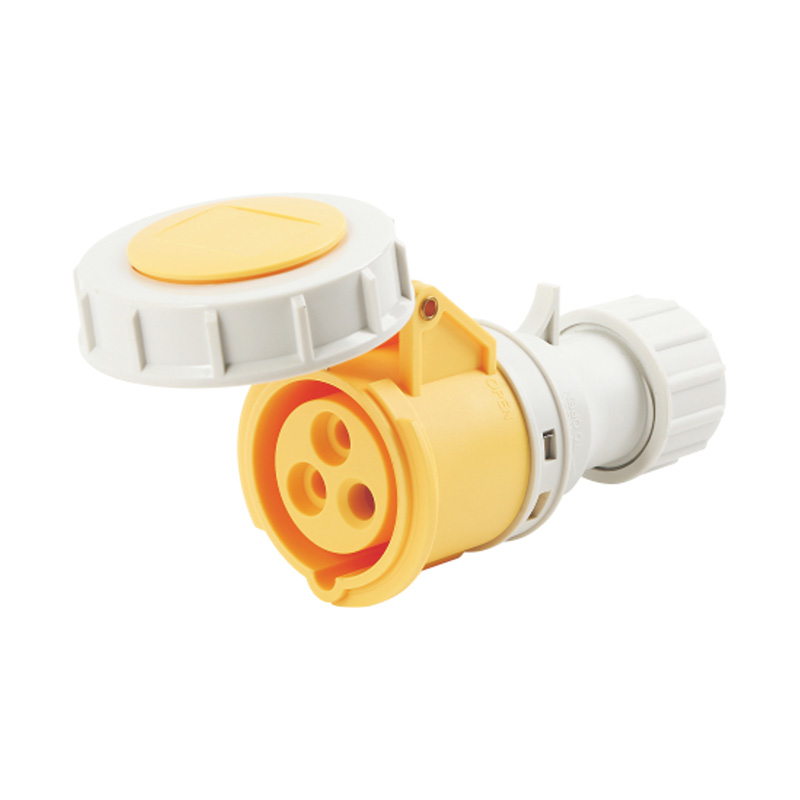
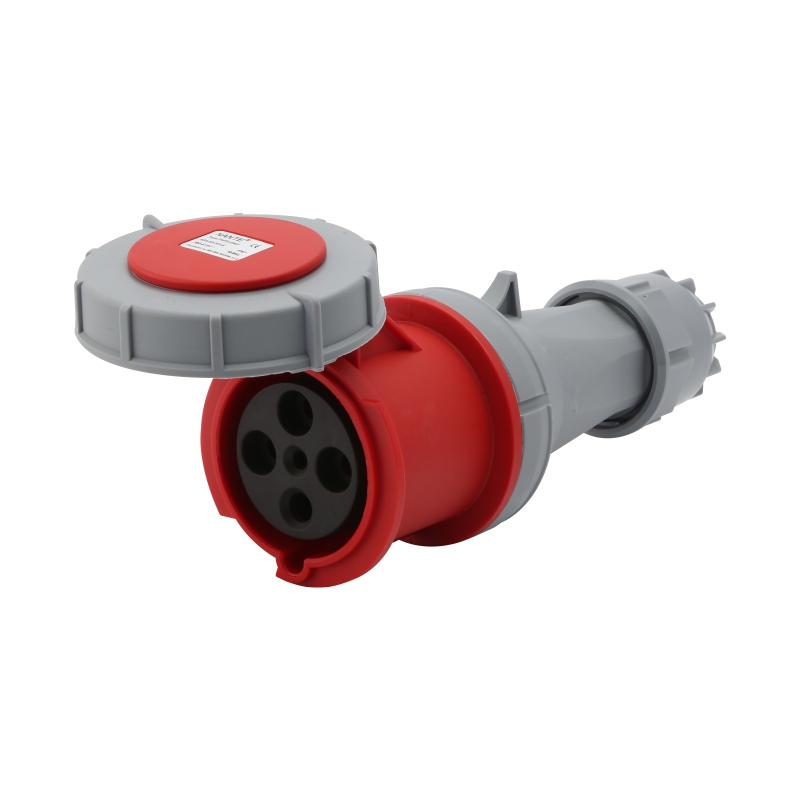
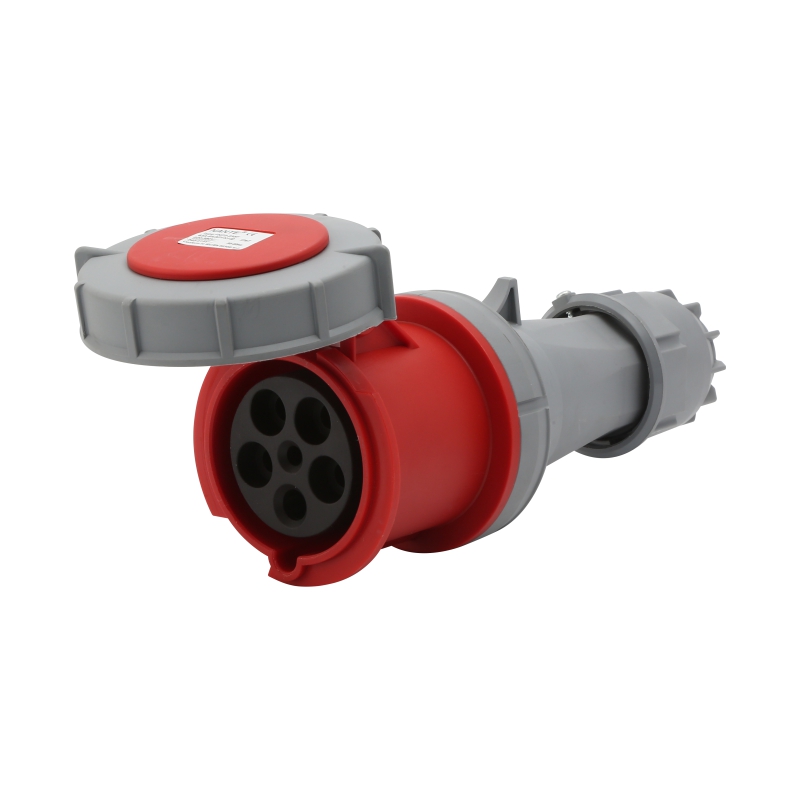
 Industrial Surface Mounted Socket are widely used in industrial and commercial environments where flexibility and easy installation are important. They sit directly on the surface of walls or panels, making them accessible and practical in spaces where built-in wiring is not ideal. While their structure is simple, their durability depends on many interacting conditions.
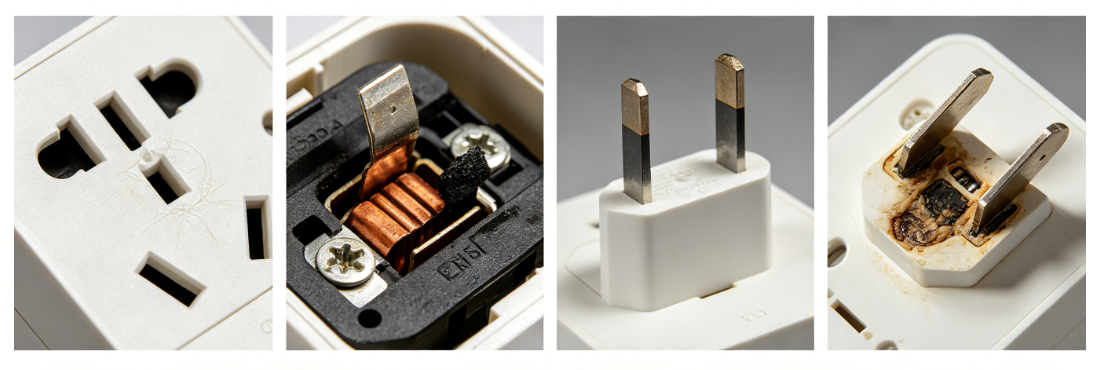
In real use, these sockets may face constant plugging and unplugging, exposure to dust or moisture, and mechanical stress from surrounding equipment. Over time, these influences shape how long they remain stable and functional.
Understanding what affects their durability helps users make more informed choices and maintain consistent performance in daily operation.
The surrounding environment is one of the strongest factors affecting surface mounted socket lifespan. These sockets often operate in places where conditions are not fully controlled.
Humidity levels, temperature changes, and airborne particles all play a role. In damp environments, internal components may gradually lose stability. In dusty spaces, fine particles can accumulate around connection points. In areas with frequent temperature variation, materials may expand and contract slightly, which affects long-term consistency.
Even small environmental changes, when repeated over time, can influence overall durability. A stable installation environment helps reduce these gradual effects.
Materials form the foundation of durability. The outer shell of a surface mounted socket must resist impact, friction, and environmental exposure. At the same time, internal components must maintain stable electrical contact under repeated use.
Different material choices respond differently to stress. Some resist wear better in high-traffic areas. Others perform more steadily in controlled indoor settings.
Material behavior is not only about strength. It is also about how well the structure holds its shape and function over time.
When materials remain stable, the socket is more likely to maintain consistent performance across long periods of use.
Every time a plug is inserted or removed, the socket experiences mechanical interaction. In environments with frequent use, this process repeats many times throughout the day.
Over time, repeated motion can influence internal alignment and surface condition. Connection points may gradually lose tightness, and movement may feel slightly less stable.
High usage does not immediately reduce performance, but it increases wear over time. The difference between occasional use and continuous use can be significant when observed over long periods.
Understanding usage patterns helps match the socket type to the real demand of the environment.
Even a well-designed socket can underperform if installation is not done carefully. The way it is mounted affects both stability and long-term resistance to movement.
If the socket is not securely fixed, small vibrations from surrounding equipment may slowly affect its position. Misalignment during installation can also create uneven stress on connection points.
A stable installation supports even load distribution. This helps reduce unnecessary pressure on specific parts of the structure.
Good installation practice does not require complexity. It requires attention to alignment, stability, and secure placement.
Dust, fine debris, and airborne particles are common in many working environments. These particles may not seem significant at first, but over time they can accumulate around sockets.
When buildup occurs near connection points, it may influence contact quality and surface smoothness. In some cases, it can also affect how easily plugs are inserted or removed.
Clean environments help maintain consistent operation. Regular cleaning routines reduce the chance of long-term buildup.
Cleanliness is not only about appearance. It directly supports functional stability.
Surface mounted sockets are often exposed to external forces beyond normal use. Equipment movement, accidental impact, or cable tension can all create mechanical stress.
Repeated stress can gradually influence the structure. Even small impacts, when repeated, may contribute to long-term wear.
Cable tension is especially important. If a connected cable pulls on the socket, it creates uneven force distribution. Over time, this may affect alignment and stability.
Reducing unnecessary stress helps extend functional life and maintain consistent performance.
Temperature variation is another factor that influences durability. Materials expand in warmer conditions and contract in cooler ones. When this cycle repeats, small structural shifts may occur.
In stable environments, these changes are minimal. In environments with frequent shifts, the cumulative effect becomes more noticeable over time.
Temperature changes may also influence how materials feel during operation. A socket may feel slightly different in different conditions, even if its structure remains unchanged.
Managing exposure to variations helps maintain consistent behavior.
Surface mounted sockets are affected by multiple conditions working together rather than a single factor. The table below summarizes key influences:
| Factor Area | Key Influence | Long-Term Effect |
|---|---|---|
| Installation quality | Stability and alignment | Structural consistency |
| Usage frequency | Mechanical wear | Gradual surface and contact changes |
| Environment | Moisture, dust, temperature | Material and performance variation |
| Mechanical stress | External force impact | Alignment shift over time |
| Cleanliness | Particle accumulation | Contact condition stability |
These factors do not act independently. They combine to shape overall durability in real conditions.
Design structure influences how well a socket handles daily use. A well-balanced structure distributes force evenly across contact points and outer casing.
Compact and stable designs reduce unnecessary movement. Clear separation between internal and external components helps protect sensitive areas from exposure.
Design also affects ease of use. Smooth insertion and removal reduce stress during operation.
A thoughtful structure supports both usability and long-term stability.
Surface mounted sockets may appear simple, but they benefit from regular observation. Maintenance does not always involve complex procedures. It often includes checking stability, cleaning surfaces, and ensuring secure connections.
Over time, small issues may develop gradually. Early observation helps prevent minor changes from becoming larger problems.
Maintenance also supports consistency. A well-maintained socket behaves more predictably during daily use.
Regular attention extends functional stability without requiring major intervention.
Durability is not a fixed concept. It depends on how and where the socket is used. A socket in a controlled indoor environment behaves differently from one in a busy industrial area.
Real usage conditions include frequency of access, environmental exposure, and interaction with surrounding equipment. These factors define how long a socket remains stable in practice.
Understanding real conditions helps set realistic expectations and supports better selection choices.
Surface mounted sockets remain practical due to their flexibility and ease of installation, but their durability is shaped by many subtle influences. Environment, usage, installation, and maintenance all interact over time, forming the real performance profile of each unit.
 +86-577-62731897
 shireen@nante.com
 No.688 chezhan Road, Liushi town, Wenzhou, China
Copyright © 2024 Fly-Dragon Electrical Co., Ltd. All Rights Reserved.
 浙公网安备33038202003041号
 Privacy
Outdoor Socket Box Factory & Outdoor Electrical Distribution Panel Factory



 English
 Español
 Português
 Deutsch