Where Are Industrial Multi Plugs Commonly Used
Modern work areas often depend on several electrical devices operating within the same space. Tools, lighting equipment, portable machines, inspection devices, and other electrical equipment may all need access to power during a project.
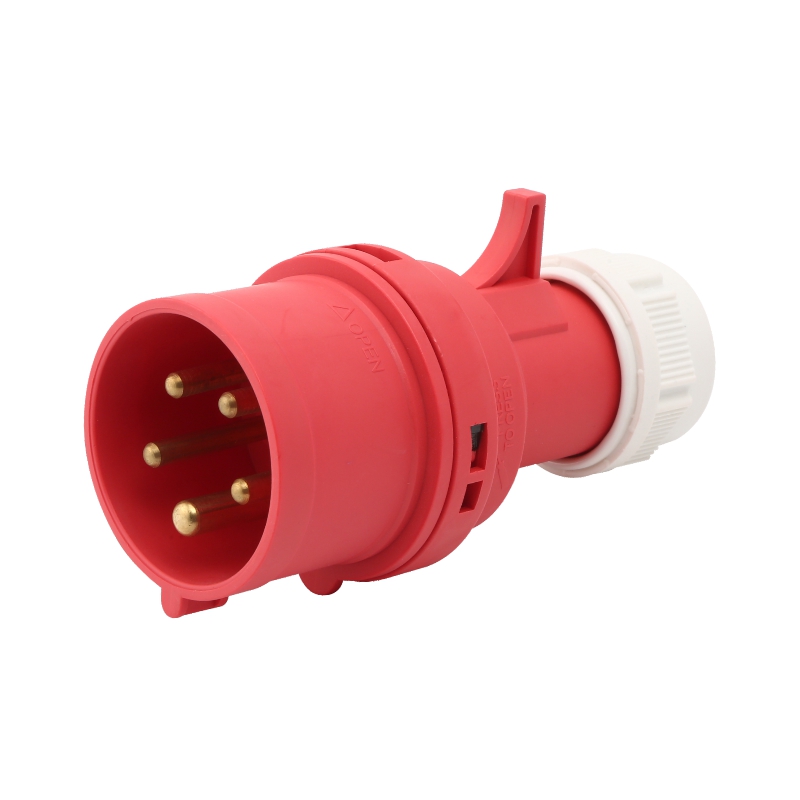
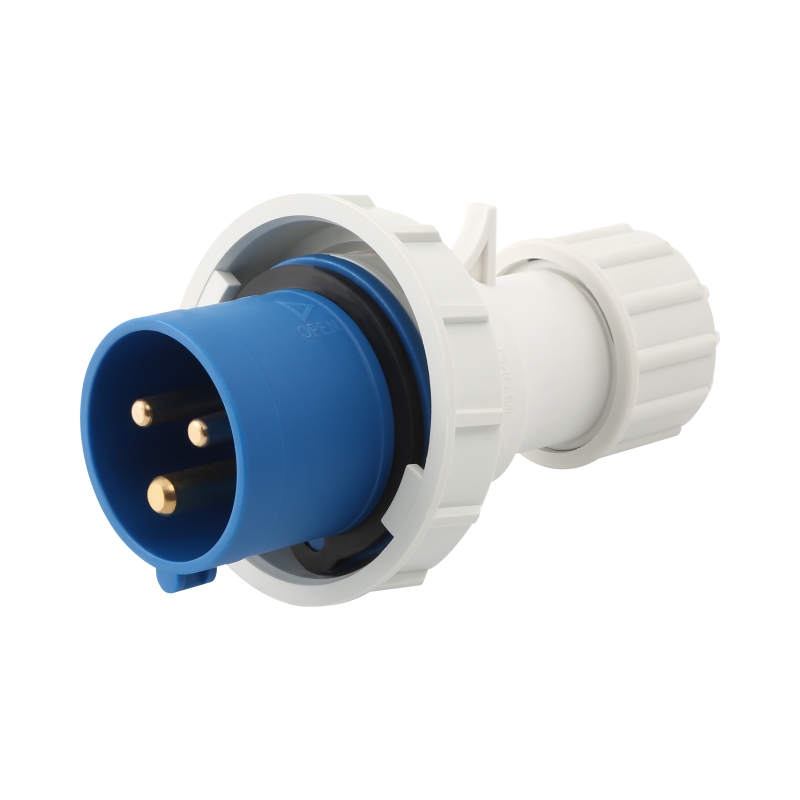
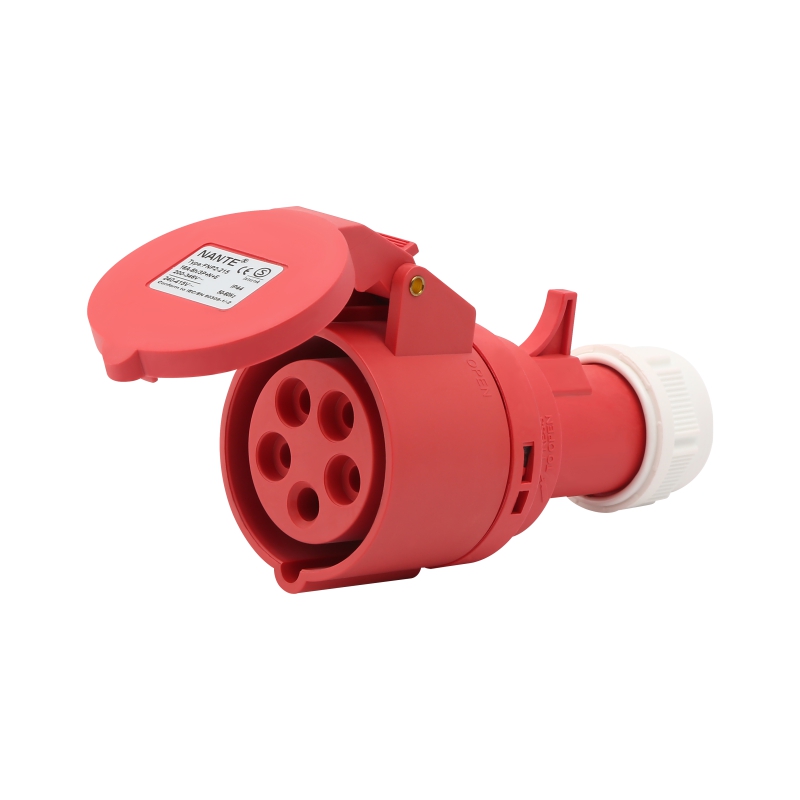
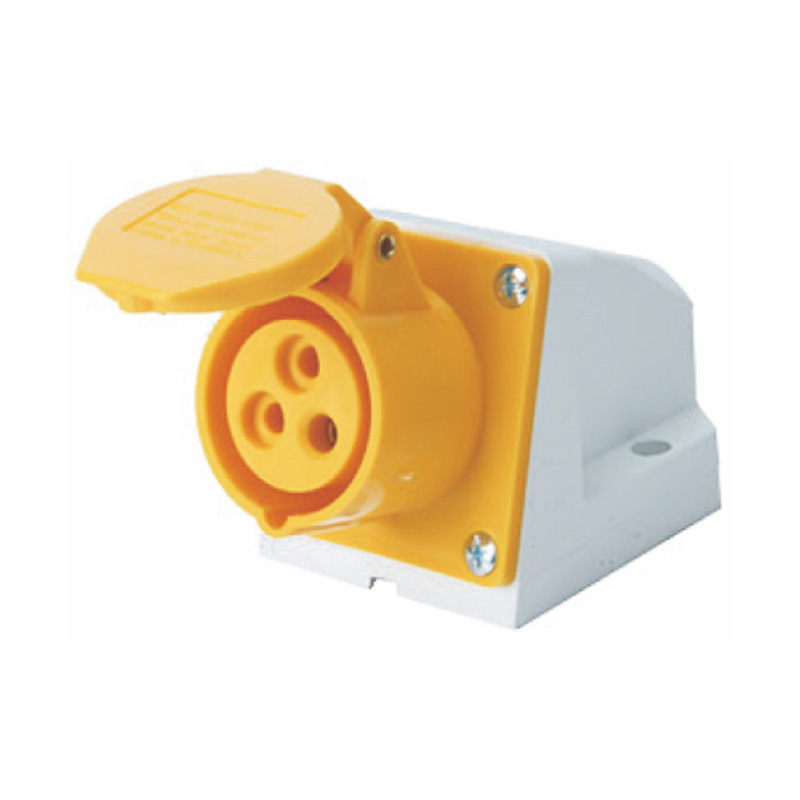
This can make power connection planning an important part of workplace organization. Industrial multi plug provide one practical way to connect multiple devices within a suitable work environment. They are commonly found in industrial facilities, construction areas, workshops, warehouses, outdoor work zones, and temporary workspaces.
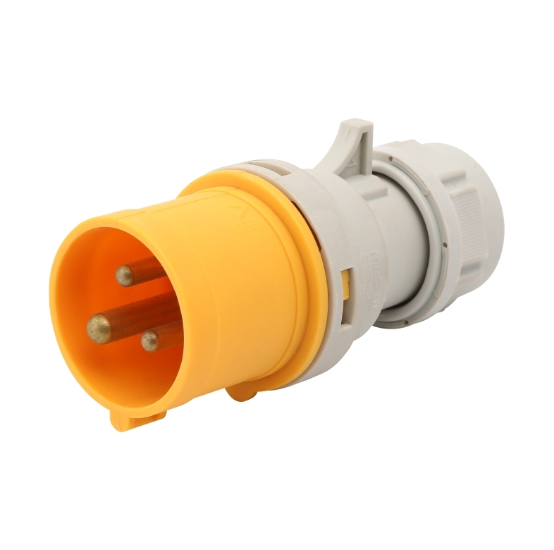
Unlike ordinary household power strips, plugs are generally designed with workplace conditions in mind. Their use can vary according to the environment, equipment, and electrical requirements of a project.
The growing use of portable equipment has also made flexible power access more relevant. A work area may change during production or construction. Equipment may need to move from one section to another. Temporary workstations may also require several electrical connections.
Understanding where plugs are commonly used can help businesses and workers consider whether this type of product fits a particular application.
Plugs are used when several electrical devices need to connect to an available power source in a work environment.
The application can be simple. A workshop may have several portable tools operating in the same area. A construction team may need power for different pieces of equipment during a task. A maintenance team may use several electrical devices while working on machinery.
The multi-plug arrangement can help organize these connections around a suitable power access point.
Common applications include:
| Work Environment | Common Electrical Applications |
|---|---|
| Manufacturing | Portable tools, inspection equipment, and work lighting |
| Construction | Portable tools, temporary lighting, and site equipment |
| Workshops | Hand tools and maintenance equipment |
| Warehouses | Work lighting, inspection devices, and portable equipment |
| Outdoor Work Areas | Temporary tools and electrical equipment |
| Maintenance Areas | Repair tools and testing equipment |
| Temporary Workspaces | Multiple portable devices and workstations |
The exact use depends on the electrical requirements of the connected equipment and the conditions of the workplace.
A multi-plug should not be viewed as a way to connect unlimited equipment to one source. The electrical capacity, connection method, workplace conditions, and applicable safety requirements all need to be considered.
Its main role is to provide organized access to power where several suitable devices need to operate within the same work area.
Manufacturing facilities contain many different types of electrical equipment. Production areas can include fixed machinery, portable tools, inspection equipment, lighting, and maintenance devices.
Not every device remains in one location.
Maintenance workers may need portable electrical tools near a machine. Inspection teams may move equipment between work areas. Production staff may also use temporary devices during adjustments or other routine tasks.
It can provide additional connection points when the application allows it.
For example, a maintenance station may need several portable devices during a repair task. Instead of running separate connections from distant power sources, a suitable multi-plug arrangement can help keep the available connections closer to the work area.
This can also help with workplace organization.
Loose cables can create clutter when equipment is positioned without a clear plan. Keeping electrical connections arranged around a designated work area can make the workspace easier to manage.
The product should still be selected according to the electrical needs of the equipment. A multi-plug is not a substitute for proper electrical planning.
Manufacturing environments can also contain dust, moisture, heat, moving machinery, and other workplace conditions. The selected electrical connection equipment should be suitable for the environment in which it will be used.
Construction sites often change throughout a project.
One work area may need lighting during one stage. Portable tools may be required in another area later. Temporary workstations can also appear as different tasks begin.
This creates a need for flexible power access.
It can be useful in situations where several appropriate electrical devices need to operate near the same work area.
Construction workers may use portable tools for installation, repair, cutting, fastening, or finishing work. Temporary lighting may also be required in areas where permanent electrical arrangements are not yet available.
A multi-plug can help provide several connection points from an appropriate power source.
However, construction environments can be demanding. Cables may cross work areas. Dust and moisture may be present. Equipment can also be moved frequently.
For this reason, power connections need to be planned carefully.
The multi-plug should be used in a manner consistent with its intended application. Workers should avoid creating unnecessary cable hazards and should keep connections away from conditions that could damage them.
The benefit is therefore not simply having more outlets. It is having suitable power access that fits the way the construction area is organized.
Workshops are another common setting for multi-plug applications.
A workshop may contain drills, grinders, saws, lamps, inspection equipment, chargers, and other portable electrical devices. These tools may not always remain in the same location.
A worker may move between a workbench and another part of the workshop. Different projects can also require different combinations of tools.
It can provide convenient connection points when the electrical arrangement is suitable for the equipment.
For example, a maintenance bench may need several small electrical devices during a repair task. A dedicated connection point with multiple suitable outlets can help keep the work area organized.
The same principle can apply to woodworking shops, metalworking areas, repair workshops, and general maintenance spaces.
The workshop environment should influence the choice of electrical equipment. Dust, moisture, mechanical impact, and frequent movement can all affect how a connection should be used.
Good organization also matters.
Cables should be positioned so that they do not interfere with walking areas or working surfaces. Equipment should be disconnected when it is no longer needed. Damaged cables or connection components should not be placed back into service.
These practices help keep the convenience of multiple connections from becoming a source of unnecessary workplace problems.
Warehouses may not appear to be equipment-heavy environments, but electrical devices are often needed during daily operations.
Portable lighting can be useful in storage areas. Workers may use inspection equipment, maintenance tools, cleaning equipment, or other electrical devices. Temporary workstations can also require access to power.
A multi-plug can be considered when several suitable devices need to operate in one area.
Warehouse layouts can change. Storage areas may be reorganized. Maintenance work can temporarily occupy a section of the facility. Electrical equipment may therefore need to be used in places that are not permanent workstations.
Flexible power access can support these temporary arrangements.
There are still practical considerations.
Warehouse traffic may include workers, carts, forklifts, and other moving equipment. Cables should not be placed where they can interfere with normal movement.
Connections should also be protected from damage caused by impacts or unsuitable storage practices.
The aim is to make power available without creating additional obstacles in a busy work environment.
Outdoor work creates different conditions from indoor workshops.
Construction projects, landscaping work, maintenance tasks, temporary installations, and other outdoor activities may require electrical equipment away from a permanent building.
A suitable plug can provide several connection points when the product and electrical system are appropriate for outdoor use.
Outdoor applications may include:
The environment deserves particular attention.
Rain, moisture, dust, mud, sunlight, and mechanical movement can all affect electrical connections. Products intended for indoor use should not automatically be assumed to be suitable for outdoor conditions.
The connection should also be positioned in a way that limits exposure to water and physical damage.
Outdoor work often changes throughout the day. Equipment may be moved as the project progresses. This makes cable management especially important.
A well-planned setup keeps connections accessible while reducing unnecessary obstacles around the work area.
Temporary workspaces are another useful application.
A temporary workstation may be created during maintenance, renovation, inspection, installation, or equipment adjustment. It may only remain in place for a short period.
Installing a permanent electrical connection for such a workspace may not always be practical.
A suitable plug can provide several connection points when used with an appropriate power source and electrical setup.
For example, a maintenance team may establish a temporary workbench near a machine. Several portable devices could be needed during the repair. Once the work is complete, the temporary setup can be removed.
This flexibility can help teams adapt their workspace to changing tasks.
Temporary arrangements still require planning. The power source must be appropriate for the connected equipment. Cables should be routed safely. Connections should remain protected from moisture, impact, and other unsuitable conditions.
The temporary nature of the workspace does not remove the need for proper electrical practices.
It can appear across a wide range of industries because many workplaces use portable electrical equipment.
Manufacturing is a natural application. Workshops, factories, and maintenance areas often require several electrical devices around changing workstations.
Construction is another major area. Temporary work zones frequently need flexible access to electrical equipment.
Warehousing and logistics facilities can also use them for maintenance, inspection, lighting, and temporary work areas.
Agriculture can involve electrical equipment in workshops, storage buildings, maintenance areas, and other locations.
Facility management teams may use multi-plug arrangements during repairs and temporary maintenance tasks.
The common factor is not the industry itself. It is the need for several suitable electrical devices to operate within a shared work area.
| Industry | Possible Applications |
|---|---|
| Manufacturing | Maintenance and portable work equipment |
| Construction | Temporary tools and work lighting |
| Warehousing | Inspection, maintenance, and temporary workstations |
| Agriculture | Workshop and property maintenance |
| Facility Management | Repair and maintenance tasks |
| Workshops | Portable tools and equipment |
| Outdoor Services | Temporary electrical equipment |
Different industries can have very different electrical requirements. The product should therefore be selected based on the actual application rather than the industry name alone.
The number of connection points is only one consideration.
The work environment should be assessed before selecting a product. Indoor and outdoor areas can create different requirements. A dry workshop presents different conditions from an exposed construction site.
The equipment being connected also matters.
Users should consider whether the electrical devices are suitable for the same power source and whether the connection arrangement is appropriate for their intended use.
Several practical questions can help:
Where will the multi-plug be used?
The environment can influence the type of connection equipment required.
What devices will be connected?
Different equipment can have different electrical requirements.
Will the connection be moved regularly?
Frequent movement can affect how cables and connection points should be managed.
Will the product be used outdoors?
Outdoor conditions require suitable protection and careful placement.
How will cables be arranged?
A good cable layout can reduce interference with normal work activities.
Does the application meet local electrical requirements?
Electrical installations and workplace practices may be subject to local rules. Users should follow applicable requirements and seek qualified electrical advice when necessary.
These questions help place the product in the right context.
An industrial multi plug is a practical connection accessory, but its value depends on how it fits into the complete electrical setup. Manufacturing areas may use it around maintenance stations. Construction teams may need flexible connections in temporary work zones. Workshops can use multiple outlets near portable tools. Warehouses and outdoor operations may also require temporary access to suitable electrical equipment.
As workplaces become more flexible, the need for organized power access can appear in many different settings. Industrial multi plugs can form one part of that arrangement when the product, equipment, environment, and electrical system are properly matched.
 +86-577-62731897
 shireen@nante.com
 No.688 chezhan Road, Liushi town, Wenzhou, China
Copyright © 2024 Fly-Dragon Electrical Co., Ltd. All Rights Reserved.
 浙公网安备33038202003041号
 Privacy
Outdoor Socket Box Factory & Outdoor Electrical Distribution Panel Factory



 English
 Español
 Português
 Deutsch