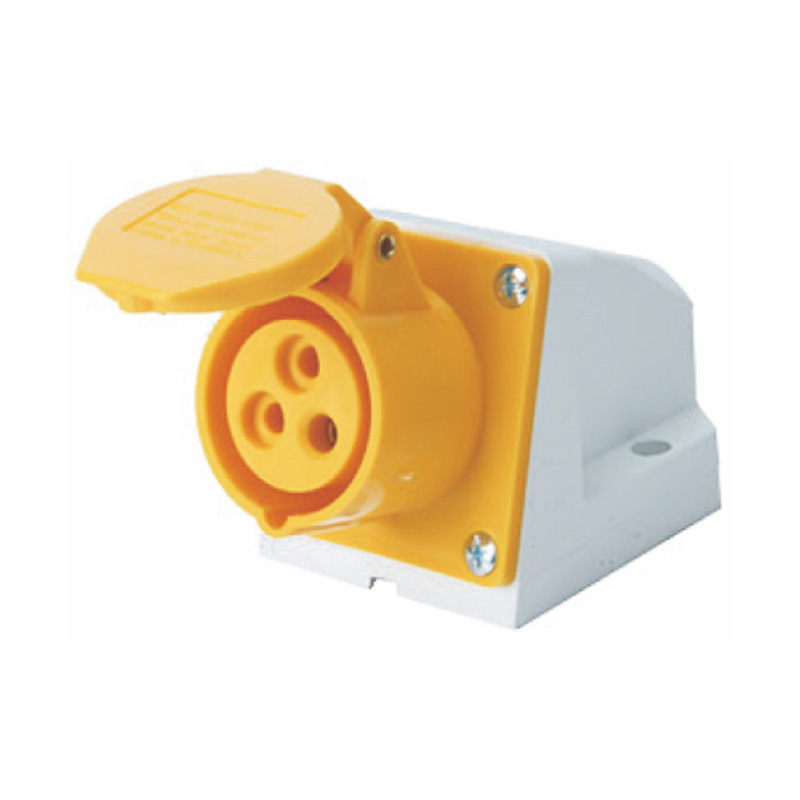
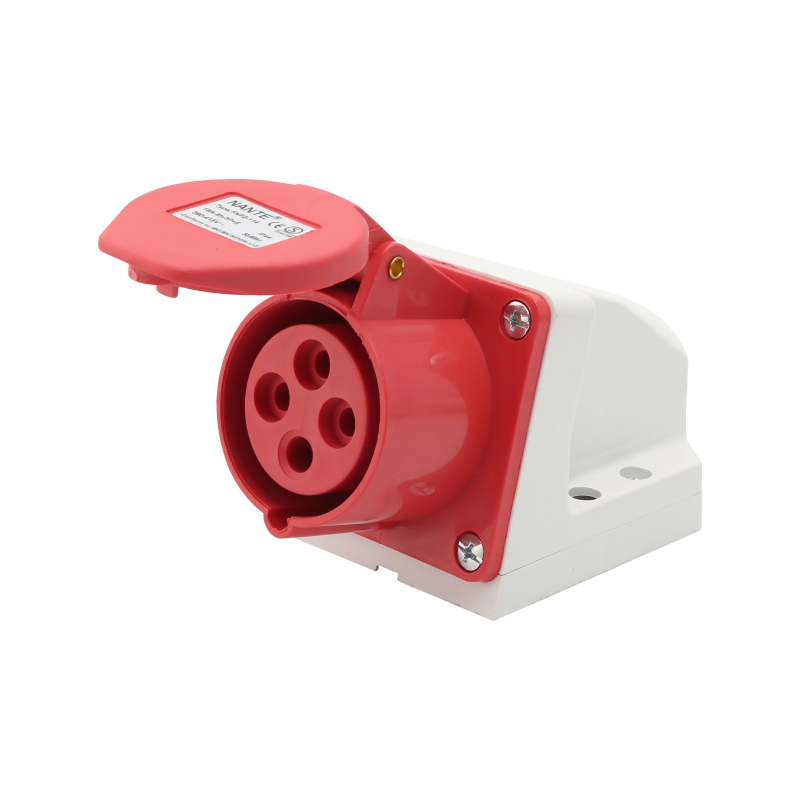
How Can Plastic Electrical Socket Boxes Bring Practical Protection to Electrical Connections
 Home / News / Industry News / How Can Plastic Electrical Socket Boxes Bring Practical Protection to Electrical Connections
 Electrical sockets are just familiar fixtures in modern buildings at this point. They give convenient access to power in homes, offices, shops, workshops, and a dozen other spaces. But the visible socket you actually plug things into is only one piece of the puzzle. Behind it, the electrical connections genuinely need a suitable space where they can sit organized and protected.
That's exactly where a plastic electrical socket box earns its keep.
Installed inside or behind a wall, the box carves out a defined location for the socket and its related connections. It genuinely helps separate electrical components from surrounding building materials while building a much more organized installation overall.
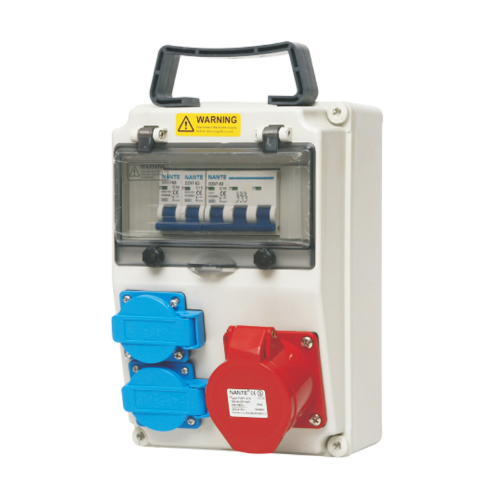
The growing presence of electrical equipment in residential and commercial spaces has genuinely pushed more attention onto practical installation methods too. As walls, rooms, and building layouts keep getting more varied, socket boxes need to accommodate different construction conditions without turning installation into a headache.
Plastic offers one genuinely practical approach here. Its properties make it well-suited for a lot of indoor electrical applications, provided the selected box actually matches the installation environment and relevant requirements.
A wall socket might look dead simple from the outside, but the electrical connection tucked behind it genuinely needs an appropriate space to sit in.
Without a suitable enclosure, wiring and connection points might end up sitting directly against surrounding materials. That genuinely makes the installation less organized and can create real headaches during inspection or maintenance down the road.
A socket box carves out a defined area for the electrical connection. It genuinely helps keep the installation positioned correctly and creates real separation between electrical components and the wall structure itself.
The box also supports installing the visible socket in the first place. Rather than attaching the socket straight to the surrounding wall material, the box hands over a prepared, ready-made location for it.
That genuinely makes the overall installation a lot easier to organize.
In residential construction, socket boxes typically show up in bedrooms, kitchens, living rooms, hallways, and utility spaces. Commercial buildings need them in offices, retail areas, workshops, and service spaces just as much.
The application shifts from building to building, sure, but the basic purpose stays pretty consistent: carve out a suitable space for the electrical socket and everything connected to it.
The protective role a plastic electrical socket box plays genuinely comes down to its enclosure structure.
Once installed correctly, the box builds a physical boundary right around the electrical connection. That genuinely helps keep wiring and connection points separated from whatever's surrounding it in the wall.
Plastic also brings some genuinely useful properties to indoor electrical applications. It's generally lightweight and a lot easier to handle during construction and installation.
A suitable box can support protection in several practical ways.
| Protection Role | Practical Benefit |
|---|---|
| Physical separation | Keeps electrical connections within a defined installation space |
| Organized positioning | Helps keep the socket and wiring in an appropriate location |
| Contact reduction | Helps separate electrical parts from surrounding building materials |
| Installation support | Provides a mounting space for the socket |
| Maintenance access | Can make inspection or replacement more manageable |
| Wall integration | Allows the electrical installation to fit into the building structure |
The box itself does not replace proper electrical installation practices. It is one part of a complete system.
The installer still needs to follow applicable electrical rules and the manufacturer's instructions. A properly selected box cannot compensate for unsuitable wiring, poor installation, or incorrect use.
Material choice genuinely shapes how an electrical socket box performs once installation gets underway.
Plastic shows up in a ton of building components because it's lightweight, easy to handle, and genuinely well-suited for a range of indoor applications.
For installers, weight genuinely matters here. Electrical work usually happens alongside a bunch of other construction activity at once. Workers might need to haul multiple components between rooms or shuffle materials around a busy site all day.
A lightweight box is genuinely a lot more convenient to handle and position.
Plastic also lets manufacturers cast different shapes and configurations easily. That genuinely helps socket boxes fit various wall structures and installation arrangements without much fuss.
Resistance to corrosion is another point worth mentioning. Unlike some metal materials, plastic doesn't rust in the traditional sense at all. That genuinely makes it useful in indoor environments where moisture might occasionally show up.
That said, not every plastic socket box fits every location out there. Areas with unusual environmental conditions might genuinely need a different enclosure or a product built specifically for that application.
The material, in other words, should get weighed together with the installation environment, not on its own.
Buildings are not constructed in one uniform way. Walls can have different structures and materials, which means electrical socket boxes need to accommodate different installation methods.
Some boxes are designed for installation within solid walls. Others may be intended for use with hollow wall structures or specific construction systems.
The relationship between the box and the wall is important. A suitable installation should keep the box securely positioned while allowing the socket to sit correctly afterward.
The depth and internal arrangement of the box can also influence installation. There needs to be enough room for the intended electrical connections without creating unnecessary crowding.
Before choosing a product, installers and buyers can consider:
These questions can help narrow down the appropriate product type.
A box that fits one wall construction method may not be suitable for another. Matching the box to the building structure can make installation more straightforward.
The visible size of a socket box does not tell the whole story.
Electrical connections need room inside the enclosure. If the space is too limited for the intended installation, arranging the wiring can become difficult.
An organized internal space can make the installation easier to inspect and maintain. It can also reduce unnecessary pressure on connections.
The goal is not to fill the box with as much wiring as possible. The electrical installation should follow appropriate requirements and leave the necessary space for safe arrangement.
This is particularly relevant when several connections are involved.
A well-planned installation allows the electrician to position components carefully rather than forcing them into an unsuitable space.
For buyers, this means that selecting a socket box should involve more than checking whether the exterior opening matches the socket. The internal arrangement should also suit the intended electrical installation.
Electrical socket boxes are used across many types of construction.
Residential projects may require numerous socket locations throughout a building. Each room can have different requirements depending on its purpose and layout.
Offices may need sockets around desks, meeting areas, equipment spaces, and shared work areas. Retail buildings can require electrical connections near displays, service counters, and back-of-house spaces.
Renovation projects create another application.
When an older building is updated, new electrical sockets may need to be added without changing the entire wall structure. A suitable plastic electrical socket box can provide a practical enclosure for the new installation.
The same idea applies to extensions and interior remodeling.
As room layouts change, electrical connections may need to move. A socket box provides a defined installation point that can be incorporated into the updated wall structure.
| Building Application | Typical Socket Box Role |
|---|---|
| Residential Construction | Providing organized locations for wall sockets |
| Office Projects | Supporting electrical access around work areas |
| Retail Spaces | Creating installation points for electrical sockets |
| Renovation Work | Supporting newly added or relocated connections |
| Workshops | Providing suitable socket locations for indoor equipment |
| Commercial Buildings | Helping organize electrical connections throughout interior spaces |
Commercial BuildingsHelping organize electrical connections throughout interior spaces
The actual product choice should always reflect the building structure and electrical requirements of the project.
Even a suitable industrial electrical socket box needs correct installation.
The box should be positioned according to the planned socket location. It needs to remain stable and properly aligned with the wall surface.
The wiring should also be handled according to applicable electrical practices. Connections should not be forced into an enclosure simply because the box physically fits.
Installers should pay attention to the relationship between the box, wall, wiring, and socket. These components need to work together.
A poorly positioned box can make the socket sit unevenly. An unsuitable opening can make installation more difficult. Incorrect cable routing can also create problems during later maintenance.
Good preparation can prevent many of these issues.
Before installation, workers can check the wall structure, socket location, box type, wiring route, and access requirements. This allows the installation to be planned before the wall is closed or finished.
Electrical work should be performed by qualified professionals and in accordance with applicable local requirements.
Electrical installations are not always permanent in their original form.
Sockets may need replacement. Wiring may be inspected. Building layouts can change. Additional electrical equipment may also be introduced.
A well-organized socket box can make future work more manageable by providing a defined space for the connection.
Access is an important consideration. Installers may need to remove the socket to inspect or replace components. The box should support this process without unnecessary difficulty.
The condition of the enclosure should also be checked during maintenance. Cracks, deformation, loose mounting, or other visible problems may indicate that the box needs attention.
The surrounding wall should be considered as well. Renovation work can affect an existing socket installation, especially when drilling, cutting, painting, or modifying the wall.
Maintenance is therefore not only about the electrical components. The enclosure and its position within the building structure also deserve attention.
Buyers can make the selection process easier by starting with the actual installation rather than choosing a product based only on appearance or price.
The intended wall structure is an important starting point. The type of socket and electrical connection should also be considered.
Environmental conditions matter as well. A standard indoor application may have different requirements from a location exposed to moisture, heat, dust, or other unusual conditions.
Product information should be reviewed carefully. Buyers can ask suppliers about the intended application, installation method, material, internal space, and compatibility with the planned socket.
A simple checklist can help:
These details can help prevent a common purchasing problem: selecting a box that appears suitable but does not fit the actual installation.
Plastic electrical socket boxes may seem like small components within a building project, but they play a useful role in organizing electrical connections. Their physical enclosure, lightweight construction, and compatibility with different indoor applications make them a practical option for many residential and commercial installations.
As building projects continue to include more electrical equipment, small installation components such as socket boxes remain an important part of the wider electrical system. Their value comes from how well they fit the wall structure, electrical connection, installation method, and working environment.
 +86-577-62731897
 shireen@nante.com
 No.688 chezhan Road, Liushi town, Wenzhou, China
Copyright © 2024 Fly-Dragon Electrical Co., Ltd. All Rights Reserved.
 浙公网安备33038202003041号
 Privacy
Outdoor Socket Box Factory & Outdoor Electrical Distribution Panel Factory



 English
 Español
 Português
 Deutsch