Which Factors Matter When Selecting an Outdoor Power Distribution Panel
 Home / News / Industry News / Which Factors Matter When Selecting an Outdoor Power Distribution Panel
 Outdoor electrical work places different demands on power distribution equipment than indoor installations. A panel may be positioned near construction activity, exposed to changing weather, or installed in an area where dust and moisture are part of everyday conditions. The surrounding environment can influence both equipment selection and the way the installation is planned.
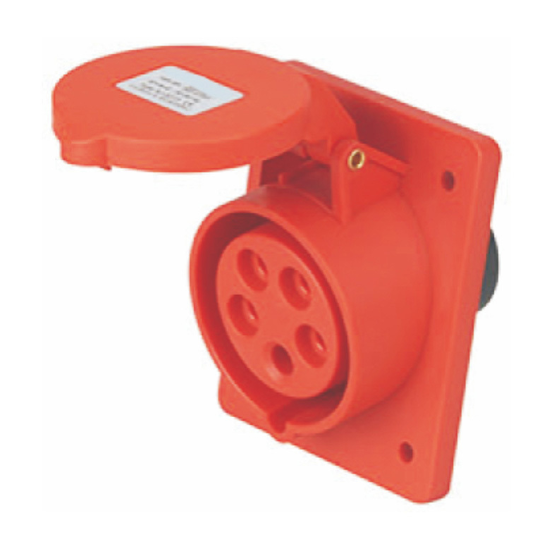
An Outdoor Power Distribution Panel is not simply an indoor panel placed outside. Its enclosure, layout, access, protection, and installation arrangement need to suit the conditions in which it will operate. A panel used at a construction site may face different practical requirements from one serving an outdoor industrial area or temporary work location.
For buyers, the selection process can therefore involve more than checking a product description. The actual work environment, electrical requirements, installation location, maintenance routine, and future use all deserve attention.
Outdoor conditions can change throughout the working day. Rain, humidity, dust, sunlight, temperature changes, and accidental contact with dirt or other materials can all affect electrical equipment. A panel that works well in a controlled indoor environment may not be appropriate for an exposed outdoor location.
The enclosure is therefore an important part of the selection process. It should be designed for the environment where the panel will be installed. The goal is not simply to keep the equipment covered. The enclosure should help protect internal electrical components while allowing the panel to remain accessible for authorized operation and maintenance.
The installation location matters as well. A panel positioned under a sheltered structure has different exposure from one installed in an open work area. The surrounding conditions should be considered before choosing the equipment.
Buyers can review several environmental factors:
These details help define what kind of Outdoor Power Distribution Panel is suitable for the site.
A distribution panel exists to organize and manage electrical power. Its configuration should therefore match the needs of the installation rather than being selected simply because it is available.
Different outdoor locations can have very different electrical layouts. A construction site may need power distributed to tools and temporary work areas. An industrial facility may require connections for outdoor equipment. A maintenance area may have a smaller and more focused electrical requirement.
Understanding the intended use can make the selection process more straightforward. Buyers should know what equipment will connect to the panel and how the power will be distributed across the site.
A useful planning checklist includes:
This approach keeps the panel connected to the actual job instead of treating it as an isolated product.
Panel layout can have a practical effect on daily use. An outdoor distribution panel may be opened, checked, operated, or serviced by authorized personnel. If the internal and external arrangement is difficult to understand, routine work can become less convenient.
Clear organization is particularly useful on active sites. Construction areas can already contain many cables, tools, machines, and temporary installations. A panel that is logically arranged can make identification and access easier for qualified workers.
The external layout matters too. Controls, connection points, labels, and access areas should be arranged in a way that suits the intended installation. The exact configuration depends on the project and applicable electrical requirements.
When reviewing a panel, buyers can ask:
A good layout does not need to be complicated. It needs to make sense for the people who will work with it.
The location of a panel can affect accessibility, exposure, cable routing, and site organization. Choosing the equipment without considering its final position can create problems later.
On a construction site, for example, the panel may be placed near an active work area. Construction traffic, stored materials, moving equipment, and temporary structures can change the surroundings. The panel needs to be positioned where authorized workers can reach it while avoiding unnecessary interference with other site activities.
Industrial facilities may present another situation. An outdoor panel could be installed near machinery, service areas, storage spaces, or building entrances. The location should support the electrical plan without creating an avoidable obstacle.
The installation area can be evaluated through a few simple questions:
| Location Factor | Practical Consideration |
|---|---|
| Accessibility | Can authorized workers reach the panel safely? |
| Exposure | Is the panel protected from unnecessary environmental exposure? |
| Working space | Is there suitable room for inspection and maintenance? |
| Cable routing | Can connections be arranged without unnecessary obstruction? |
| Site traffic | Could vehicles, equipment, or materials interfere with the panel? |
| Future changes | Could the area be reorganized later? |
The panel should be considered as part of the site layout. Its location affects more than the equipment itself.
The enclosure is one of the visible differences between indoor and outdoor electrical equipment. Its purpose is to protect internal components from conditions that may be present around the panel.
Outdoor locations can expose equipment to moisture, dust, dirt, and accidental contact. The required level of protection depends on where and how the panel will be installed. A sheltered outdoor location may present different conditions from an open construction site.
The enclosure material and overall construction should also suit the environment. Different materials can have different maintenance needs and resistance to outdoor conditions. Buyers should review the manufacturer's information rather than assuming that every outdoor panel offers the same level of environmental protection.
Access needs to be considered at the same time. Protection should not make authorized inspection and maintenance unnecessarily difficult. The panel needs to balance environmental protection with practical access.
Before selecting an enclosure, users can consider:
These factors can help buyers distinguish between panels designed for different outdoor conditions.
Maintenance is often considered after installation, but it can be useful to think about it before purchasing the panel. Outdoor equipment can accumulate dust and dirt, and changing weather conditions can affect the surrounding installation.
A panel that is difficult to inspect may take more time to maintain. A poorly planned location can make access harder. An unsuitable enclosure can also create additional concerns if the environmental conditions are more demanding than expected.
Maintenance planning does not mean the panel requires constant attention. It means the equipment should be selected with realistic operating conditions in mind.
A practical maintenance approach may involve:
The exact maintenance routine should depend on the equipment and installation. Electrical work should always be handled by appropriately qualified personnel.
Safety should be part of the selection process rather than an issue considered after installation. Outdoor electrical equipment can be located in busy areas where people, vehicles, tools, and materials are moving at the same time.
The panel should fit the site's electrical safety plan and applicable regulations. Its location should not create unnecessary exposure to impact or interference. Access should also be limited to authorized personnel where required.
Clear identification can help support organized site management. Workers need to know what equipment they are dealing with and how the installation is intended to be used. Labels and markings can be useful when several electrical units are located in the same area.
Safety-related considerations may include:
An Outdoor Power Distribution Panel is part of a wider electrical system. Its selection should therefore be coordinated with the site's overall safety planning.
Outdoor electrical installations are not always permanent. Construction projects move through different stages. Temporary work areas may be reorganized. Industrial facilities may add equipment or change how outdoor spaces are used.
This makes future flexibility worth considering. A panel that fits the current arrangement may become inconvenient if the site changes significantly.
Buyers can think beyond the immediate installation. They can consider whether the panel's arrangement allows practical adaptation within the limits of the equipment and electrical design. The goal is not to add unnecessary capacity or complexity. It is to avoid choosing equipment without considering how the work environment may develop.
Future planning can involve:
For temporary construction projects, this type of planning can help keep electrical distribution aligned with the changing site.
Comparing panels becomes easier when the evaluation is based on the actual project. Product appearance alone does not reveal whether a panel is suitable for a particular environment.
The comparison should begin with application. A panel intended for one outdoor situation may not match another. Environmental exposure, installation location, electrical arrangement, access requirements, maintenance needs, and local regulations all influence the decision.
A simple comparison framework can help:
| Selection Area | Questions to Ask |
|---|---|
| Application | What equipment will the panel serve? |
| Environment | What outdoor conditions will it face? |
| Enclosure | Is the enclosure suitable for the location? |
| Layout | Is the arrangement practical for daily use? |
| Installation | Does the panel fit the available space? |
| Maintenance | Can authorized personnel inspect and service it appropriately? |
| Safety | Does the installation support the site's safety plan? |
| Future use | Could the work area or electrical needs change? |
| Compliance | Does the equipment meet applicable local requirements? |
The selection process becomes more useful when these questions are considered together. A panel is not chosen simply because it is described as an outdoor model. It needs to match the environment, electrical application, installation arrangement, and working practices around it.
For construction teams, facility managers, contractors, and equipment buyers, this broader approach can make Outdoor Power Distribution Panel selection more closely connected to the actual conditions of outdoor electrical work.
 +86-577-62731897
 shireen@nante.com
 No.688 chezhan Road, Liushi town, Wenzhou, China
Copyright © 2024 Fly-Dragon Electrical Co., Ltd. All Rights Reserved.
 浙公网安备33038202003041号
 Privacy
Outdoor Socket Box Factory & Outdoor Electrical Distribution Panel Factory



 English
 Español
 Português
 Deutsch