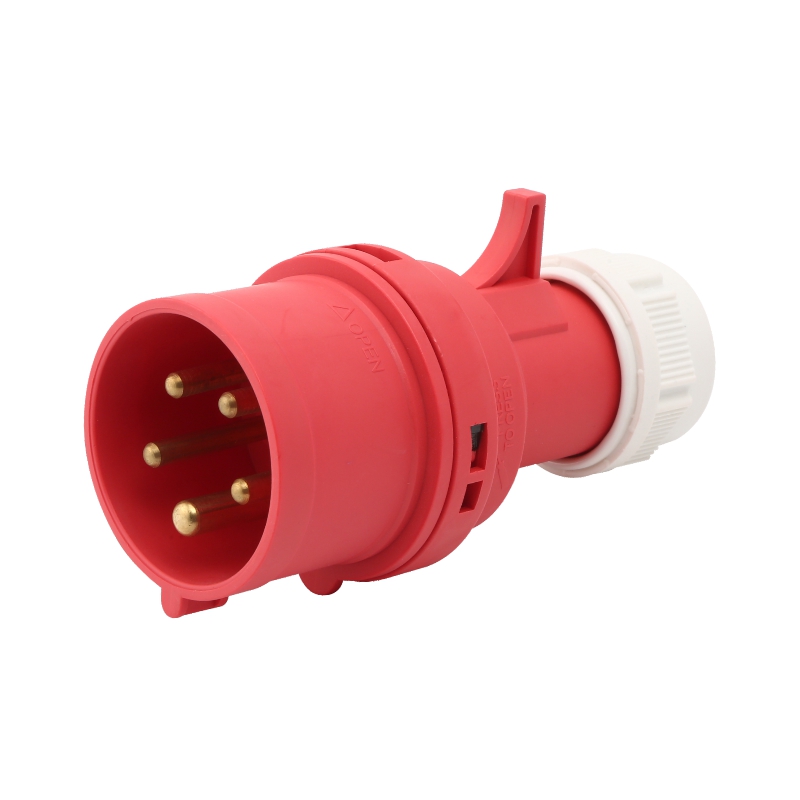
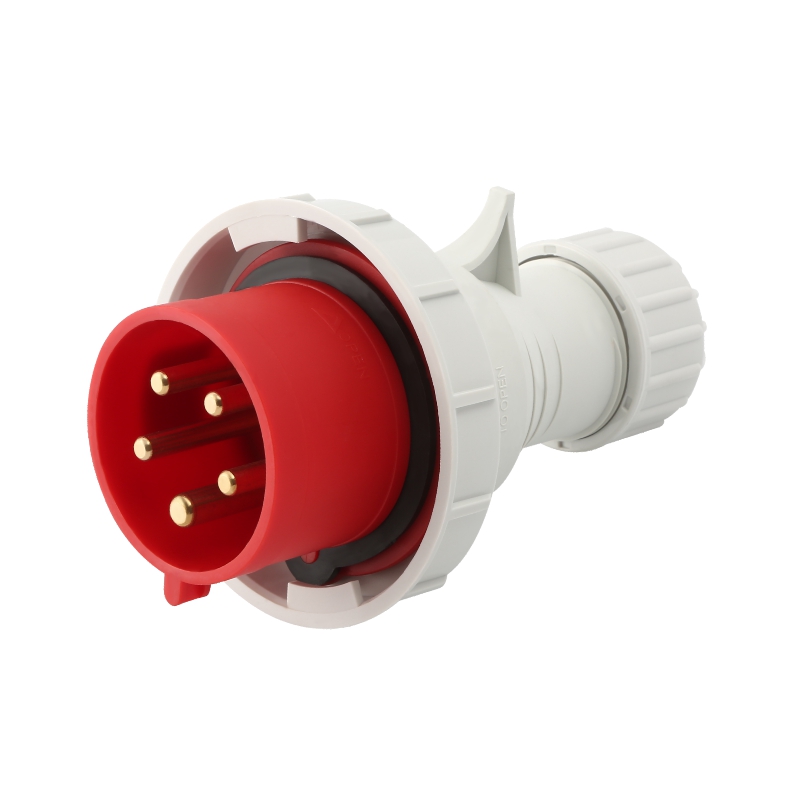
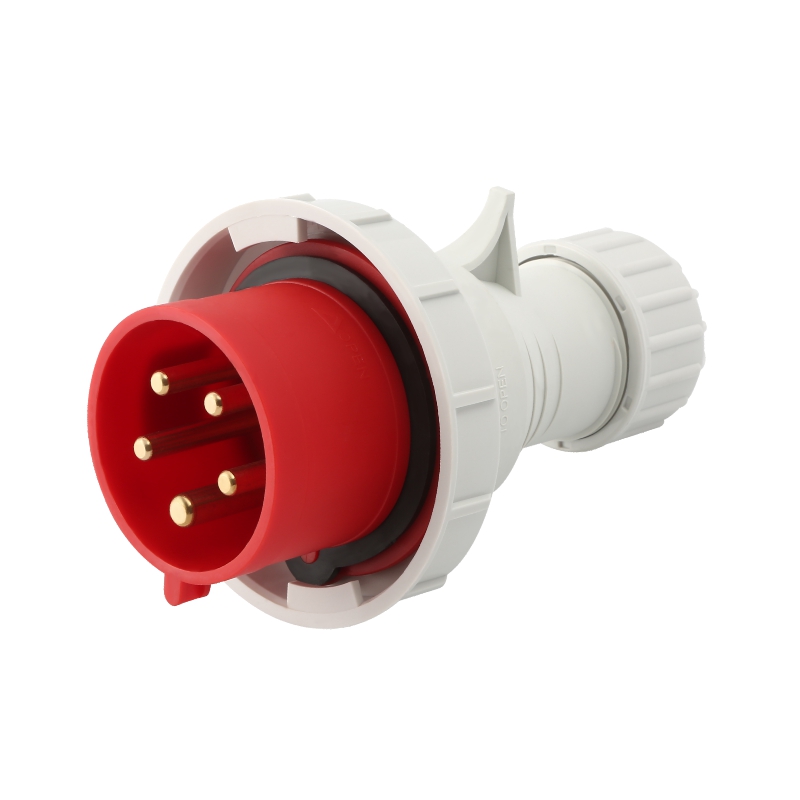
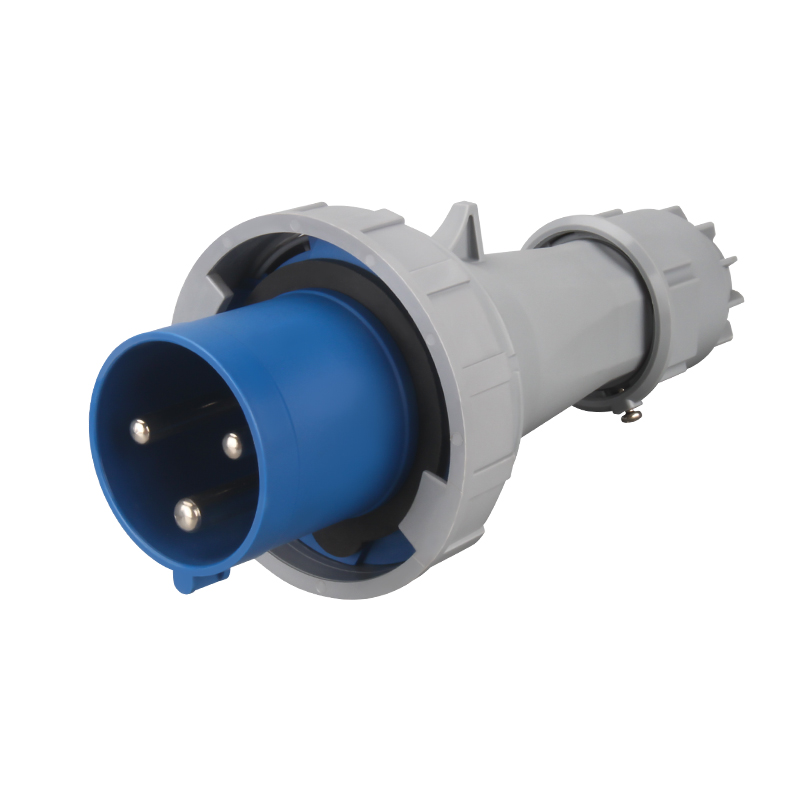
How Does a Waterproof Outdoor Box for Sockets Protect Outdoor Connections
 Home / News / Industry News / How Does a Waterproof Outdoor Box for Sockets Protect Outdoor Connections
 Outdoor electricity is useful in many parts of modern life. Garden lighting needs a power source. Outdoor tools need somewhere to connect. Construction areas often rely on temporary electrical equipment. Patios, workshops, sheds, and maintenance areas may also need convenient access to power.
The difficulty is that outdoor electrical connections do not enjoy the same controlled conditions found indoors. Rain can arrive unexpectedly. Moisture can collect around a connection. Dust and dirt can settle on exposed surfaces. A cable may also be pulled, stepped on, or moved repeatedly during daily work.
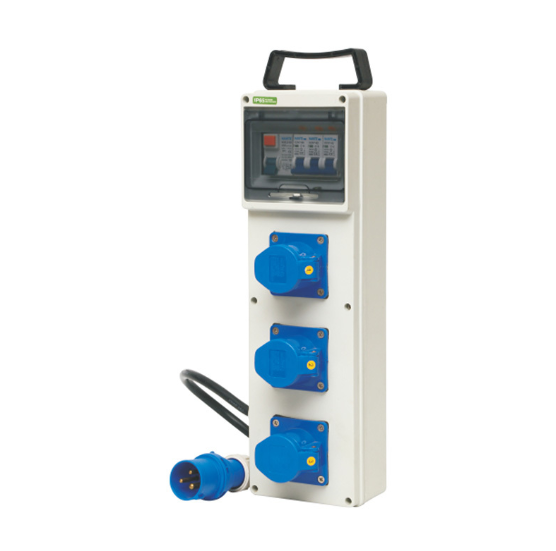
This is where a Waterproof Outdoor Box for Sockets can become part of an outdoor power setup. Rather than leaving a plug and socket connection exposed, a protective box creates an additional barrier around the connection area. Its purpose is to help reduce exposure to outdoor conditions while keeping the connection accessible when needed.
The design of these boxes can vary. Some are intended for household outdoor use, while others are designed around temporary work areas or outdoor equipment. The right choice depends on the location, the connection arrangement, and the conditions around it.
Indoor electrical connections are normally placed inside buildings where walls, ceilings, and other structures provide some separation from weather. An outdoor socket does not have that same surrounding protection. Even when a socket is designed for outdoor use, the connected plug and cable can create another point that needs attention.
Rain is an obvious concern, but it is not the only one. Moisture can come from wet ground, garden watering, condensation, or damp weather. Dust and dirt can also accumulate around connections. In a busy work area, the connection may face accidental contact with tools, materials, or moving equipment.
A protective box addresses this exposed connection area by placing a physical cover around it. The box can help keep direct moisture and dirt away from the connection while also providing some physical separation from the surrounding environment.
Several outdoor situations can benefit from this type of protection:
The purpose is not to make an electrical connection suitable for every weather condition. The box needs to be appropriate for the specific environment and used according to the manufacturer's instructions.
The basic idea is simple. A socket connection is placed inside a protective enclosure rather than remaining directly exposed. The enclosure surrounds the connection and helps separate it from rain, splashes, dirt, and accidental contact.
The shape of the box matters. A well-planned enclosure usually provides space for the plug and the connected cable without forcing the connection into an awkward position. The cover should also be able to close in the intended way after the connection has been placed inside.
Sealing areas are another important part of the design. A protective box may use a closing edge, flexible material, or other design features around openings. These features can help reduce the path through which moisture and dirt could reach the connection.
A typical protection process can be viewed in simple stages:
The exact level of protection depends on the design of the product and the way it is installed. Users should not assume that every box offers the same protection simply because it is described as waterproof or weather resistant.
A protective box needs to accommodate more than the socket itself. Once a plug is connected, the cable extends outward. If the box is too restrictive for the intended connection, the cable may become sharply bent or the cover may not close properly.
This is why internal space can be an important selection factor. Some outdoor plugs and adapters occupy more room than a simple indoor plug. Extension connections may also require additional space. A box should be selected around the actual connection rather than based only on the appearance of the socket.
Cable openings also deserve attention. The cable needs to leave the enclosure without creating an unnecessary opening around the protective area. A suitable design can help keep the connection enclosed while still allowing the cable to reach the equipment.
A practical evaluation can include:
| Design Area | What to Consider |
|---|---|
| Internal space | Can the intended plug and connection fit comfortably? |
| Cable openings | Can the cable pass through without leaving an unsuitable gap? |
| Cover | Can the enclosure close properly around the connection? |
| Material | Is it suitable for the expected outdoor environment? |
| Access | Can authorized users reach the connection when necessary? |
| Placement | Can the box remain stable in its intended location? |
These details may seem small, but they can influence how useful the box is in everyday outdoor work.
Rain is one of the obvious reasons for using an outdoor socket protection box. A connection left directly in an exposed area can come into contact with water from above, from the side, or from nearby surfaces.
A protective enclosure can reduce direct exposure by covering the connection. The cover acts as a physical separation between the electrical connection and the surrounding weather. Depending on the design, it may also help limit the amount of water that can reach the connection through gaps and openings.
The installation position remains important. A box placed in an area where water regularly collects may face conditions beyond what its design is intended to handle. The same applies when a connection is left in standing water or exposed to strong water flow.
Users should therefore look beyond the word "waterproof." They should consider the actual conditions around the socket. A covered patio, open lawn, construction area, and exposed wall can all present different challenges.
Before using a protective box outdoors, users can consider:
A waterproof box provides an additional layer of protection. It does not remove the need for sensible electrical installation and safe use.
Outdoor connections face more than water. Soil, sand, dust, grass, leaves, and other small particles can reach exposed electrical areas. Construction sites can create especially dusty surroundings, while gardens may produce soil and plant debris.
A protective box can help separate the connection from these materials. When the plug is enclosed, loose particles have less direct access to the connection area. This can make the surrounding electrical setup easier to manage.
Physical protection can also matter. An exposed plug may be moved when someone walks past or adjusts nearby equipment. A box can provide a defined space for the connection instead of allowing the plug to rest directly on the ground or among loose materials.
This does not mean the enclosure never needs cleaning. Dirt can collect on the outside, around the cable openings, or near the closing area. Regular visual checks can help identify problems before the equipment is used again.
Simple care may include:
Cleaning should be performed safely and according to the product guidance. Electrical connections should not be handled casually when power is present.
Plug space is an easy detail to overlook. People often think about the size of the socket and forget that the connected plug may be larger. An adapter, extension connection, or multi-connection arrangement can take up even more room.
If the connection is squeezed into a box, the cover may not close properly. The cable may also be forced into an uncomfortable position. That can reduce the practical value of the enclosure.
A suitable box should provide enough room for the intended connection while keeping the plug and socket positioned as designed. The internal arrangement should allow the cover to close without placing unnecessary pressure on the cable.
This is particularly relevant when the box is used with outdoor tools. A worker may connect a mower, lighting system, pump, or other equipment and then move around the work area. The cable should remain arranged according to safe working practices rather than being trapped under the enclosure.
When comparing different products, users can ask:
The right internal space can make a protective box much easier to use in real outdoor conditions.
The application range can be wider than garden sockets. Outdoor electricity appears in many working environments, and each one has its own practical needs.
In landscaping, workers may use powered tools across different parts of a property. A protected connection can help keep temporary cable connections more organized. In construction, temporary electrical connections may be exposed to dust, changing weather, and active movement around the worksite.
Homeowners may also use outdoor socket boxes for seasonal lighting, garden equipment, outdoor workshops, and other activities. A utility shed may have a power connection that needs additional protection from moisture and dirt.
Some common applications include:
| Application | Potential Role of the Protective Box |
|---|---|
| Gardening | Protecting temporary tool connections |
| Landscaping | Helping organize outdoor equipment connections |
| Construction | Covering temporary power connections |
| Outdoor lighting | Providing additional protection around plug connections |
| Workshops | Separating connections from dust and debris |
| Property maintenance | Supporting repeated outdoor equipment use |
| Utility areas | Helping protect exposed socket connections |
The box should always match the intended application. A household garden connection may have different needs from a construction environment. Users should review the product's intended use rather than assuming that one enclosure is suitable for every location.
Protection depends partly on how the box is used. Even a well-designed enclosure can become less useful if it is placed incorrectly or damaged during operation.
The location should provide suitable access while avoiding unnecessary exposure to traffic, standing water, heavy impact, or other hazards. The box should not be buried under soil or covered with materials that interfere with its intended function.
Cable placement matters as well. A loose cable can become a trip hazard or be pulled by passing equipment. Outdoor connections should be arranged carefully so that the box and cable are not placed under avoidable strain.
Maintenance can remain simple when it is part of routine work. Users can inspect the enclosure before use, look for visible cracks, check that the cover works correctly, and keep the surrounding area clear. Any damaged protective box should be taken out of service until it has been properly assessed.
A practical routine can include:
Electrical safety should remain the priority. Installation, repair, and electrical inspection should be handled by qualified personnel where required by local rules.
Outdoor power connections are often temporary or constantly changing. A tool may be moved from one garden area to another. Construction work may progress from one section of a site to another. Seasonal lighting may be installed and removed as needed.
A protective box can make these connections more organized by giving the plug and socket a defined enclosure. Instead of leaving a connection directly on the ground or exposed beside equipment, the connection has a dedicated protective space.
This can also make outdoor work easier to plan. Workers can identify where connections are located and keep cables routed away from busy paths. The box itself becomes part of the overall arrangement rather than an afterthought.
The selection process can be kept practical. Users can focus on the environment, the type of connection, the available internal space, the cable arrangement, the enclosure design, and the way the equipment will be maintained.
A weatherproof electric box for outdoors works as one part of an outdoor electrical setup. Its value comes from matching the protection provided by the enclosure with the conditions in which the socket connection will actually be used.
 +86-577-62731897
 shireen@nante.com
 No.688 chezhan Road, Liushi town, Wenzhou, China
Copyright © 2024 Fly-Dragon Electrical Co., Ltd. All Rights Reserved.
 浙公网安备33038202003041号
 Privacy
Outdoor Socket Box Factory & Outdoor Electrical Distribution Panel Factory



 English
 Español
 Português
 Deutsch