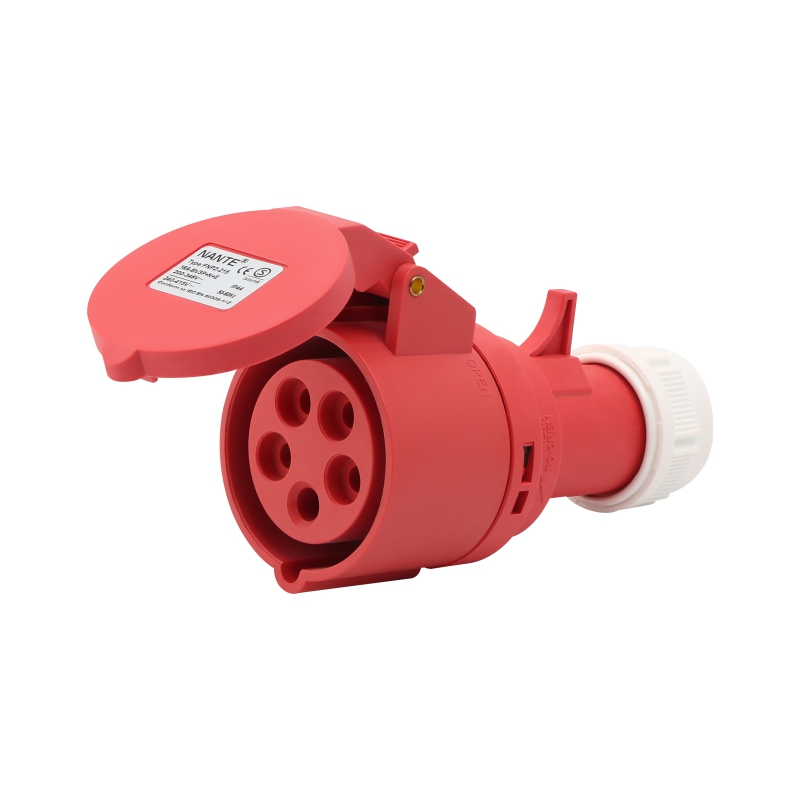
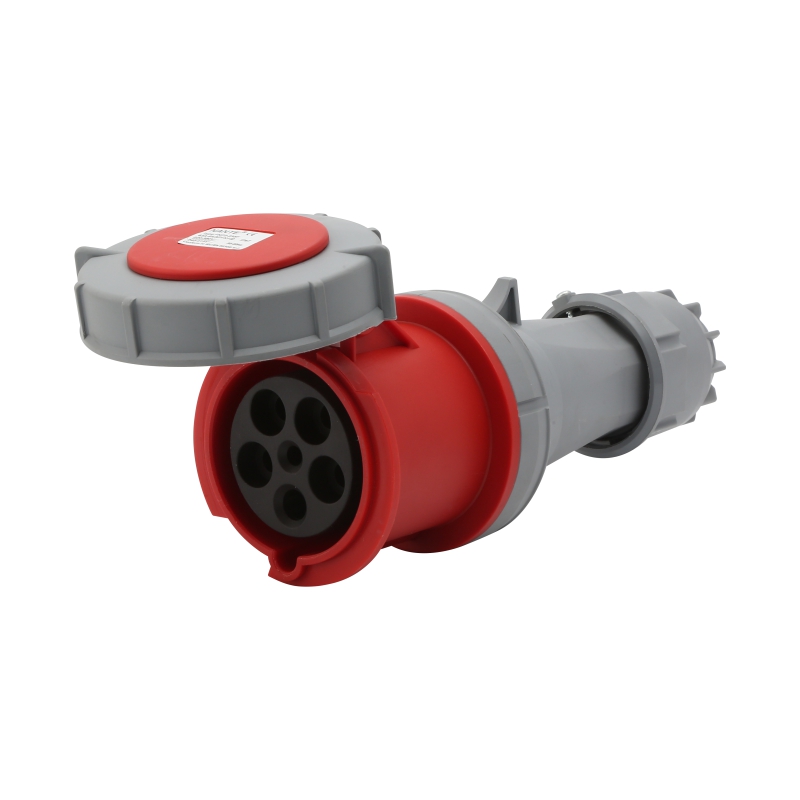
Why Are 3 Phase Power Sockets Ideal for Heavy Equipment
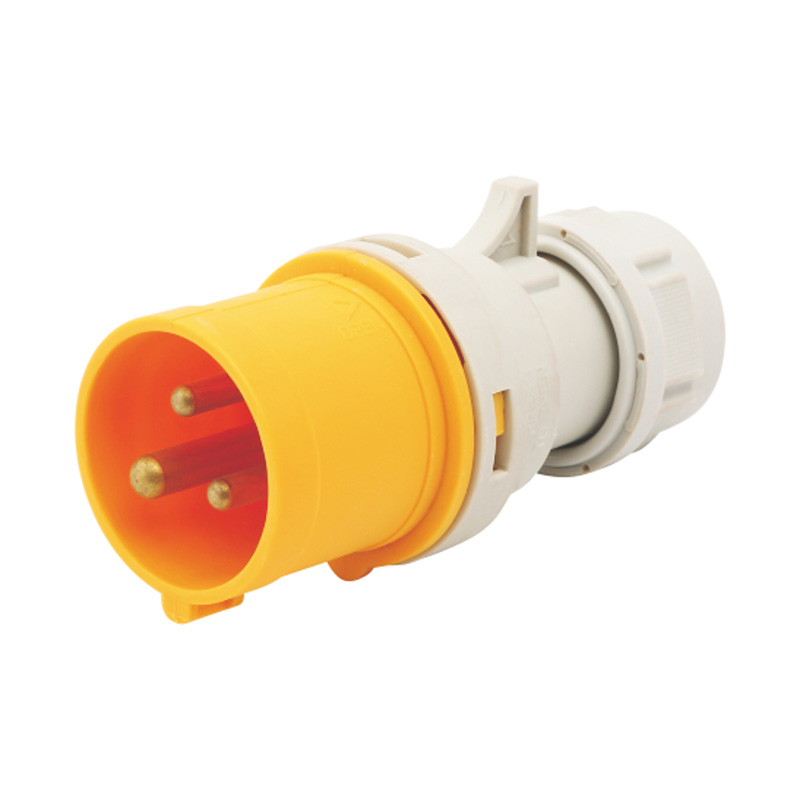
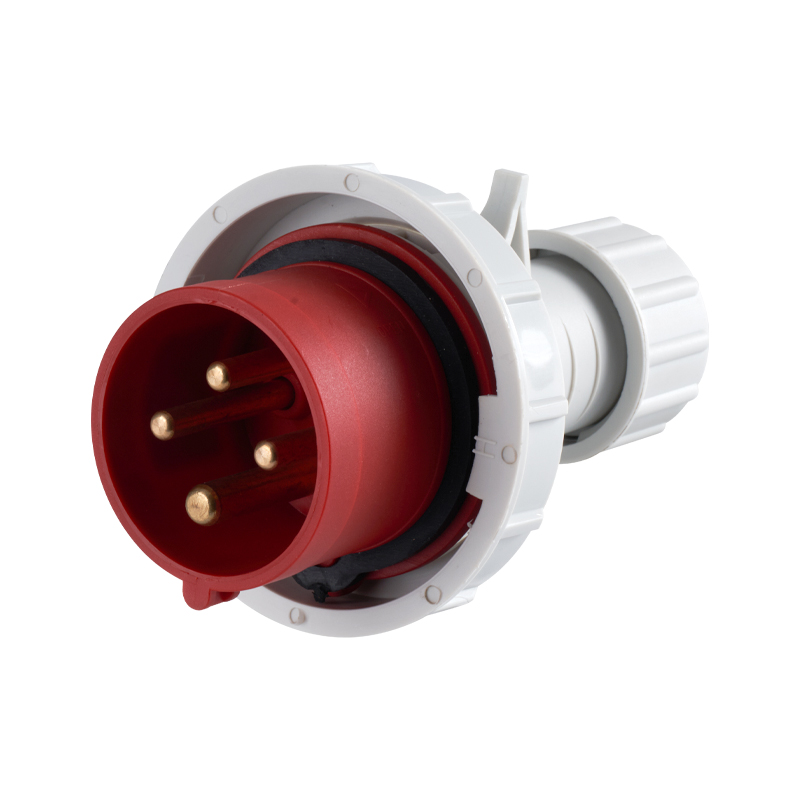
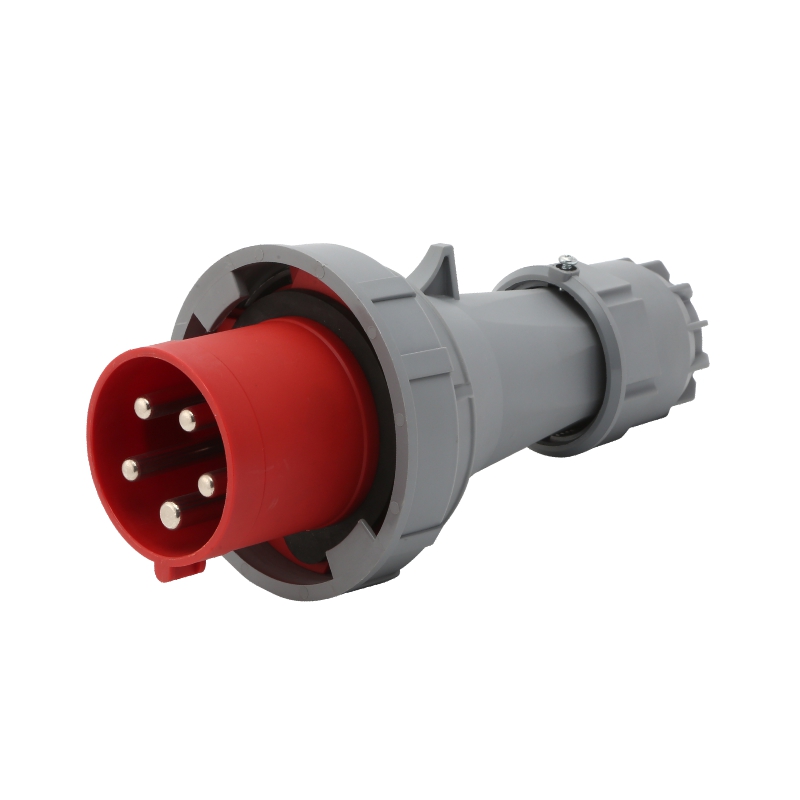
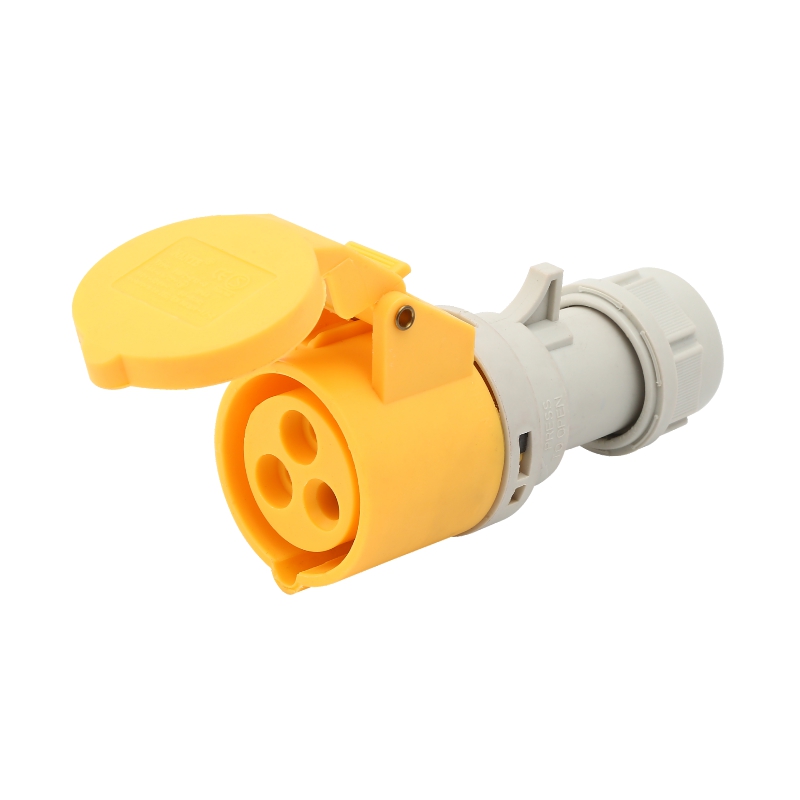
A compressor on a factory floor, a concrete mixer on a building site, and a pump at an irrigation station share one need: a power connection that matches the machine. Ordinary domestic outlets are not made for this work. 3 Phase Power Sockets connect three-phase machinery to its supply, and an Industrial Plug Socket adds the housing, locking, and sealing that rough environments call for. The choice depends on the equipment nameplate, the supply system, and the place of installation. A plug that happens to fit proves nothing about suitability.
3 Phase Power Sockets are industrial outlets built for three-phase supplies. A single-phase outlet carries one phase conductor. A three-phase socket carries three phase conductors and a protective earth, and some versions add a neutral.
Three-phase electricity uses alternating currents offset from one another in time. Power reaches compatible machines in a steadier flow, which suits motors, pumps, compressors, and production equipment. A maintenance electrician will often see the benefit when a large motor starts: the supply is arranged for exactly this kind of load.
Different configurations suit different supplies, so the plug and socket must be a compatible pair. A mismatch can stop a machine from running or create a hazard.
Heavy machinery needs a connection that tolerates substantial loads and repeated use. Four characteristics explain the fit.
Many industrial machines draw far more power than household appliances. A three-phase distribution arrangement can supply that demand. A correctly rated socket lets compatible machines connect without improvised wiring.
The socket does not create extra power. Its current and voltage ratings must match both the supply and the machine, and the cable must be sized for the same load.
Three-phase motors rely on a rotating magnetic field produced by the supply. Operation is smooth, which is why conveyors, ventilation units, pumps, and compressors commonly use this arrangement. The socket provides the connection point those motor-driven machines require.
Plants often run equipment for long periods, and an unexpected power loss disrupts schedules, material flow, and staffing. A secure plug and socket connection helps avoid those interruptions. Check these points:
Vibration, dust, moisture, impact, and frequent handling all affect connectors. Industrial versions use reinforced housings, insulated contacts, protective covers, and sealing, depending on the product. Outdoor or wet locations may need a waterproof industrial socket with a suitable IP rating.
Each setting places different demands on the connection.
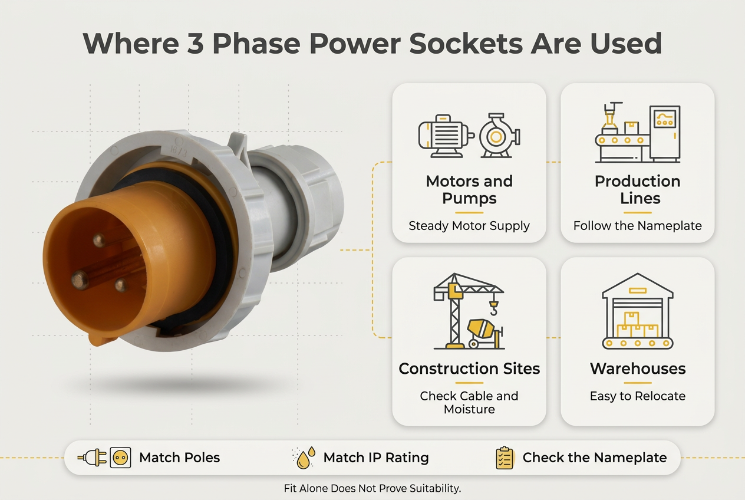
These machines drive manufacturing, agriculture, water treatment, and building services. Pumps move water and process fluids, while compressors supply air to tools and pneumatic systems. An irrigation pumping station is a familiar rural example, where the socket must also cope with damp air and changing weather.
A single machine may combine spindle motors, drives, cooling units, and controls. Each part adds to the electrical demand. Follow the machine maker's electrical specification instead of guessing from the size of the machine.
Building sites move equipment often. Typical loads include:
A heavy duty power socket suits these when the installation and protection are specified properly. Outdoor use calls for attention to cable routing, moisture, mechanical protection, and grounding, since cables get driven over and left in puddles.
Powered conveyors, lifting gear, and maintenance equipment may need three-phase outlets. A plug and socket arrangement lets machines connect to designated outlets without altering their original wiring, which also makes relocation simpler.
The two types serve different loads.
| Aspect | Single-Phase Socket | 3 Phase Power Socket |
|---|---|---|
| Supply | Single-phase | Three-phase |
| Typical equipment | Appliances, light-duty tools | Industrial machinery, motors |
| Connection | One phase conductor | Multiple phase conductors |
| Common places | Offices, homes, light workshops | Factories, machine shops |
| Construction | Varies by application | Usually built for industrial use |
A three-phase socket is appropriate when the machine is designed for a three-phase supply. A compressor with a three-phase motor cannot be treated as a plug-in for an ordinary single-phase outlet.
Not every industrial device needs three phases. Smaller machines and auxiliary units often run on single-phase supplies. The nameplate and the maker's installation instructions settle the question.
Fit alone proves little. The product must suit the electrical supply, the machine, and the surroundings.
Check the rated voltage, rated current, supply configuration, connected load, and installation requirements. Start-up current for motors deserves a look as well. Then match the pole arrangement.
| Configuration | Arrangement | Consideration |
|---|---|---|
| Three-pole | Three phase connections | Compatible three-phase equipment |
| Four-pole | Three phases and earth | No neutral required |
| Five-pole | Three phases, neutral, earth | Neutral required |
Never leave out the protective earth or substitute a neutral for it. Pole count follows the electrical design of the machine and the supply system.
An IP rating alone does not prove suitability for every site. Judge it against the real exposure, including how the area is cleaned.
Housing strength, insulation, contact material, corrosion resistance, cable entry, and strain relief all affect service life. Frequent plugging and unplugging puts extra wear on the mechanical parts, so choose accordingly.
Before purchase, work through this list:
Beyond three-phase machinery, industrial sockets serve many facilities. The installation environment shapes the right product.
A supplier should explain specifications clearly and help match products to equipment. Useful support covers:
Share equipment requirements, intended use, and applicable standards early. A clear specification at the start avoids rework later and helps buyers compare offers on equal terms.
Our range of 3 Phase Power Sockets and Industrial Plug Socket products supports factory machinery, outdoor distribution, agricultural pumps, and mobile equipment. Contact our team with your supply details, equipment nameplate data, and site conditions to review a suitable connection for your project.
 +86-577-62731897
 shireen@nante.com
 No.688 chezhan Road, Liushi town, Wenzhou, China
Copyright © 2024 Fly-Dragon Electrical Co., Ltd. All Rights Reserved.
 浙公网安备33038202003041号
 Privacy
Outdoor Socket Box Factory & Outdoor Electrical Distribution Panel Factory



 English
 Español
 Português
 Deutsch