Why Does an Outdoor Socket Box Matter in Modern Electrical Safety
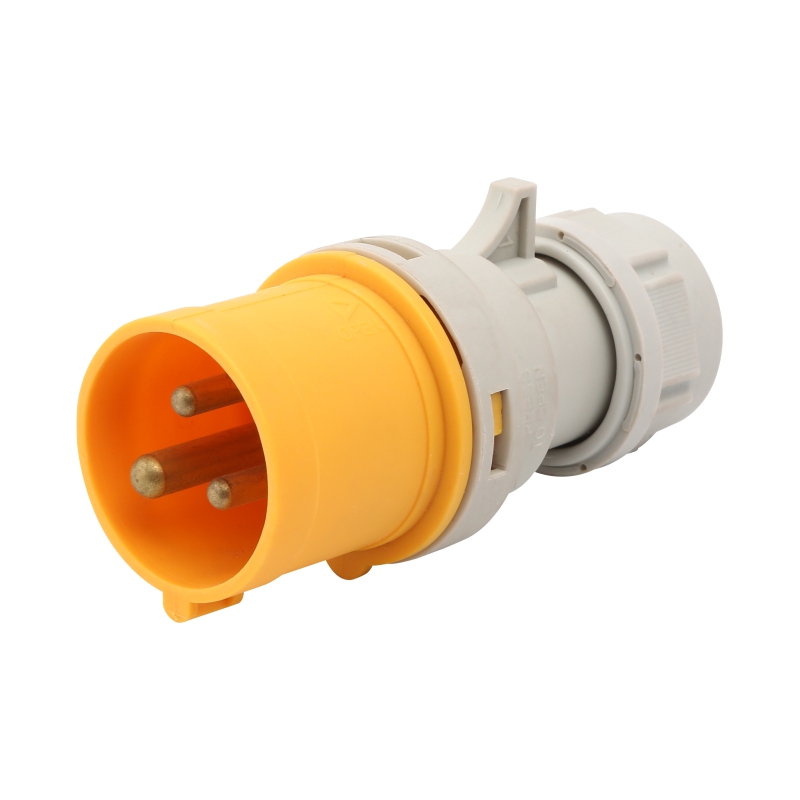
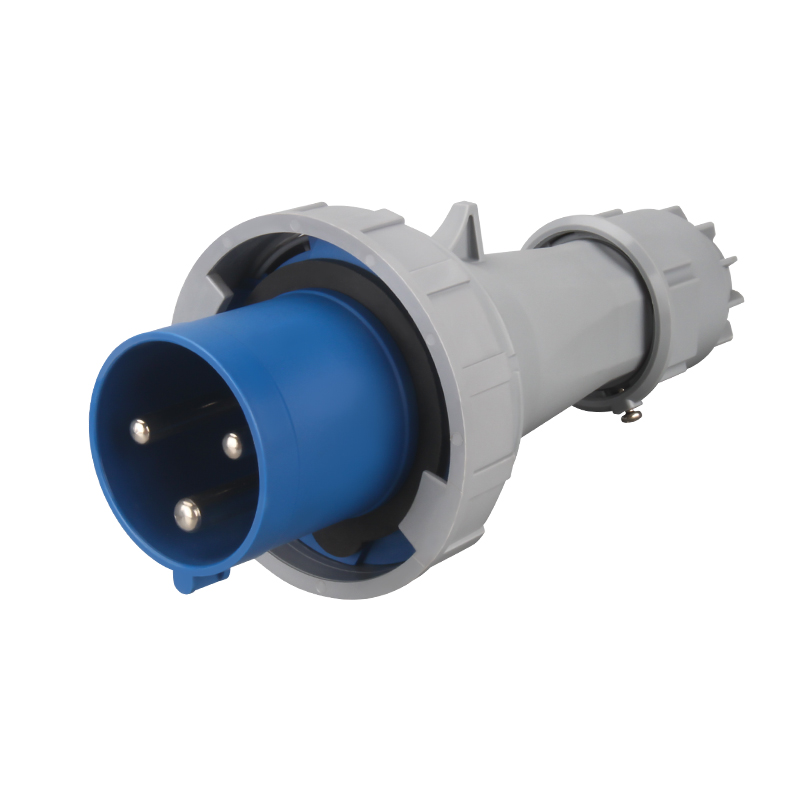
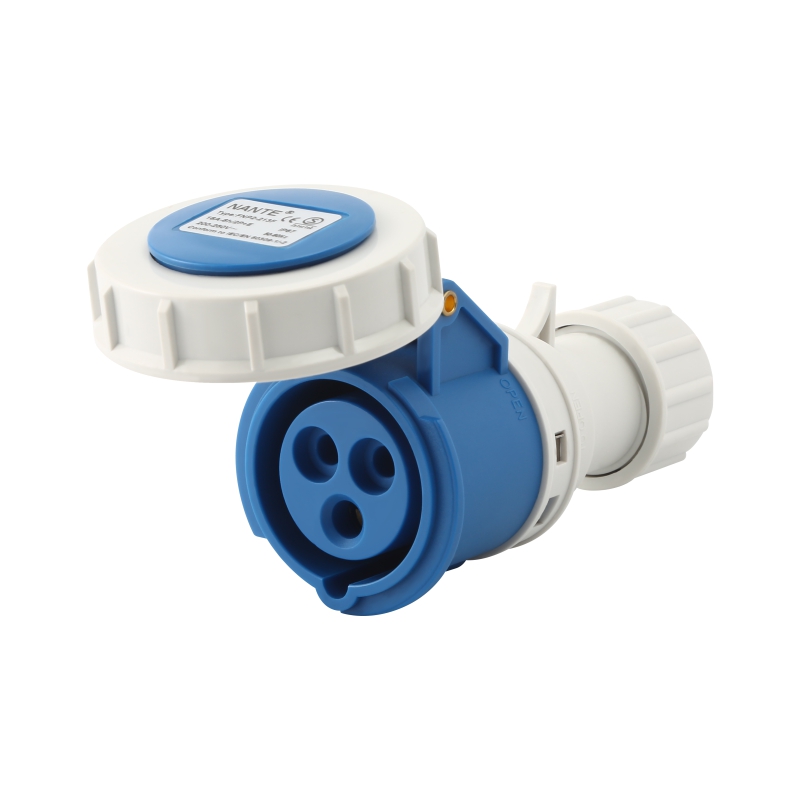
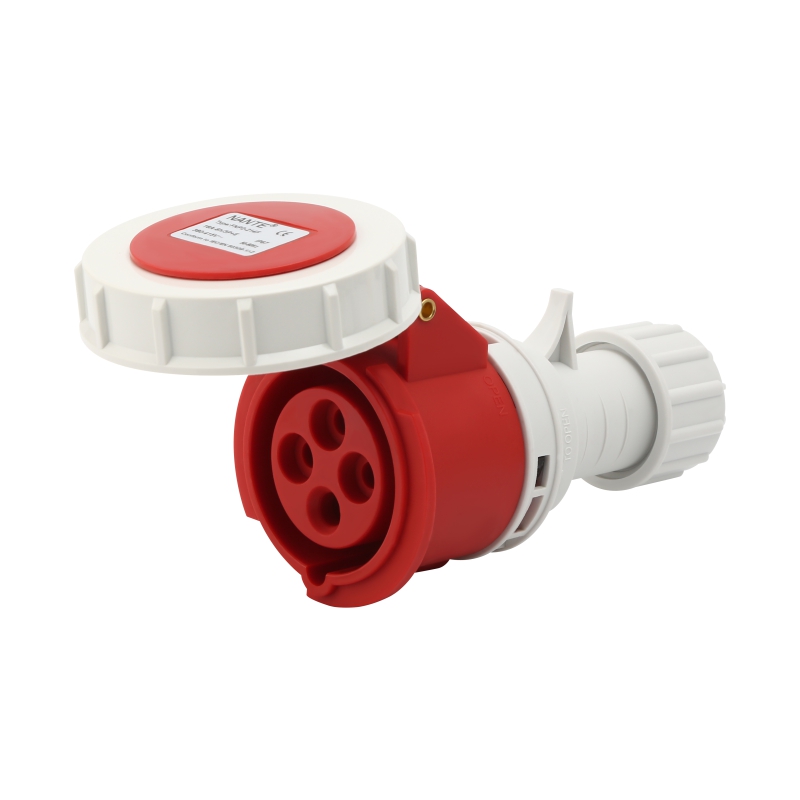
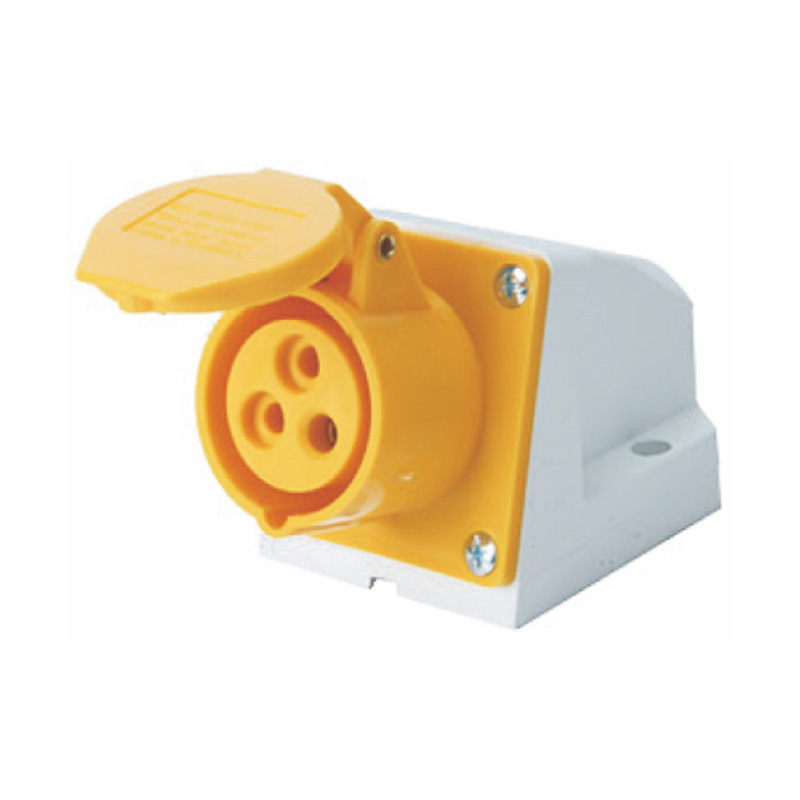
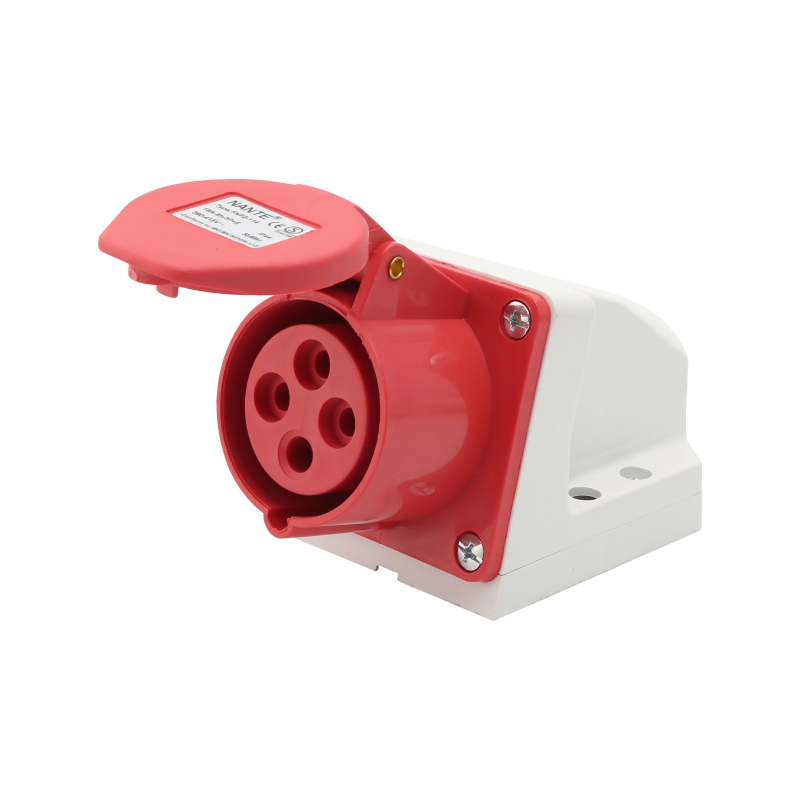
Electrical boxes are often hidden behind walls, ceilings, and exterior finishes, yet they play a central role in keeping wiring safe, organized, and serviceable. As homes, workplaces, and outdoor living areas continue to rely on more electrical devices, the demand for secure enclosure solutions has grown. In that context, the Outdoor Socket Box has become a practical topic for property owners, electricians, and builders who want reliable protection in places exposed to weather and daily use.
An electrical box is more than a container for wires. It helps protect connections, supports mounted devices, and reduces the chance of damage where current is being distributed. Whether installed indoors or outdoors, it contributes to a cleaner electrical layout and a safer environment for switches, receptacles, fixtures, and wiring joints.
At its simplest, an electrical box gives wiring a protected space. That enclosure helps contain connections that would otherwise be exposed to movement, impact, or accidental contact. It also provides a stable mounting point for electrical devices, which allows switches and outlets to remain secure over time.
The importance of this enclosure becomes clearer when looking at how electrical systems function in everyday settings. Devices are frequently used, wire connections may need future access, and surrounding surfaces are not always static. The box helps manage those conditions by keeping the system contained and easier to maintain.
What the box helps accomplish
These functions matter in both simple residential projects and more complex installations. The box may not be visible once the job is complete, but it remains part of the safety structure behind the finished wall or ceiling.
Not every electrical box serves the same purpose. The location often determines the type of box needed and the level of protection it should provide. Interior walls, ceilings, basements, attics, garages, and exterior areas all present different conditions.
In dry interior spaces, the primary concern may be device support and wiring organization. In damp or weather-exposed locations, moisture resistance and enclosure protection become more important. That is where the Outdoor Socket Box becomes especially relevant, because exterior outlets and accessories are often exposed to changing conditions that can affect performance and safety.
Common placement considerations
Each of these factors can influence whether a standard interior box is suitable or whether a more weather-aware solution is needed.
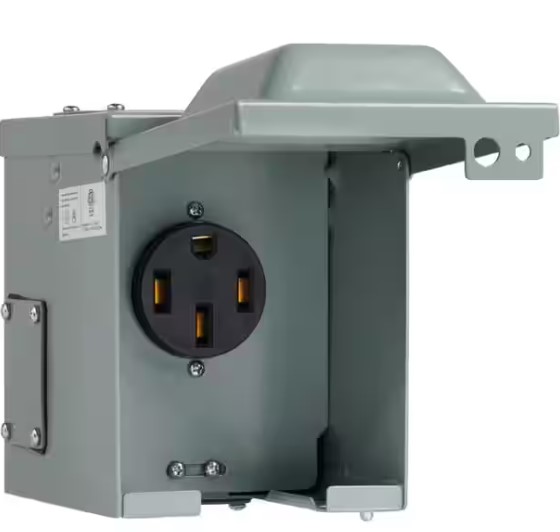
Different box styles are designed for different electrical needs. Understanding those differences helps explain why one box may be suitable for a wall switch while another is needed for a ceiling light or a connection point in an attic or garage.
Standard boxes for switches and outlets
These boxes are commonly used on interior walls for one or more devices. They create a clean mounting point for switches and receptacles and are often chosen for routine residential and commercial wiring.
Ceiling fixture boxes
These are used for overhead lighting and similar mounted devices. Their purpose is to hold the fixture securely while keeping the wiring protected within the ceiling or wall assembly.
Junction boxes
Junction boxes are used when wires need to be joined or branched. They are important in situations where multiple cables meet and the connections must remain accessible for service or inspection.
Weather-resistant exterior boxes
These boxes are designed for outdoor use and areas that may be exposed to rain, humidity, or general weather conditions. They support exterior outlets, outdoor lighting, and other mounted devices while helping protect the wiring from the environment. A properly selected Outdoor Socket Box can make a noticeable difference in how well an exterior electrical point performs over time.
| Box Type | Typical Use | Common Location | Main Benefit |
|---|---|---|---|
| Standard wall box | Switches and outlets | Interior walls | Supports everyday device installation |
| Ceiling fixture box | Lights and overhead devices | Ceilings or high walls | Holds mounted fixtures securely |
| Junction box | Wire splices and circuit branching | Accessible wall or ceiling areas | Keeps wire connections contained |
| Weather-resistant box | Exterior outlets and lights | Outdoor walls, patios, garages | Helps protect wiring in exposed areas |
Electrical boxes are a key part of system safety even when they are out of sight. Their enclosure helps prevent exposed wires from being bumped, stretched, or damaged by nearby surfaces. They also help maintain order in the wiring layout, which supports better installation quality and easier future service.
That protection can matter in both new construction and renovation work. A box that is well placed and properly matched to the device creates a more stable foundation for the electrical system as a whole.
Safety advantages linked to proper enclosure
These benefits are especially important in areas where people interact with devices every day, such as kitchens, hallways, patios, and workspaces.
One reason electrical boxes remain relevant is that wiring systems often need future attention. A connection that looks finished today may later need adjustment, replacement, or inspection. The box gives technicians a defined access point for those tasks.
It also helps organize circuits when several wires are involved. Instead of leaving splices loose or unprotected, the enclosure keeps everything in one place. That makes the system easier to understand and maintain over time.
Practical reasons to keep wiring inside a box
This is one reason the electrical box remains a standard part of wiring work even as building designs and equipment needs continue to change.
Selecting a suitable electrical box starts with the device and the location. A switch inside a finished room has different demands from an outdoor outlet near a patio or wall. The box must support the device, fit the surrounding space, and provide enough protection for the environment.
Useful questions during selection
These questions can guide a more effective choice and help avoid problems after installation.
A simple selection approach
That process helps ensure the box is not only functional but appropriate for the specific project.
Electrical systems support nearly every part of modern living. Lights, appliances, security equipment, outdoor outlets, and communication devices all depend on protected wiring connections. When those connections are enclosed properly, the system is easier to manage and less likely to face avoidable damage.
For homeowners, contractors, and facility managers, electrical boxes are part of the foundation of reliable electrical work. They may be small, but they influence how safe, organized, and durable the installation will be in the long run.
An electrical box is not just a mounting point. It is a protective enclosure that helps organize wiring, support devices, and reduce safety risks in both interior and exterior settings. From ceiling fixtures to junction points and weather-exposed outlets, the right box helps keep electrical systems working in a more stable and orderly way.
As outdoor electrical needs continue to grow, interest in the Outdoor Socket Box will likely remain strong among people looking for practical enclosure solutions. For readers exploring related installation ideas and exterior wiring support, nante offers a natural place to continue the search.
 +86-577-62731897
 shireen@nante.com
 No.688 chezhan Road, Liushi town, Wenzhou, China
Copyright © 2024 Fly-Dragon Electrical Co., Ltd. All Rights Reserved.
 浙公网安备33038202003041号
 Privacy
Outdoor Socket Box Factory & Outdoor Electrical Distribution Panel Factory



 English
 Español
 Português
 Deutsch