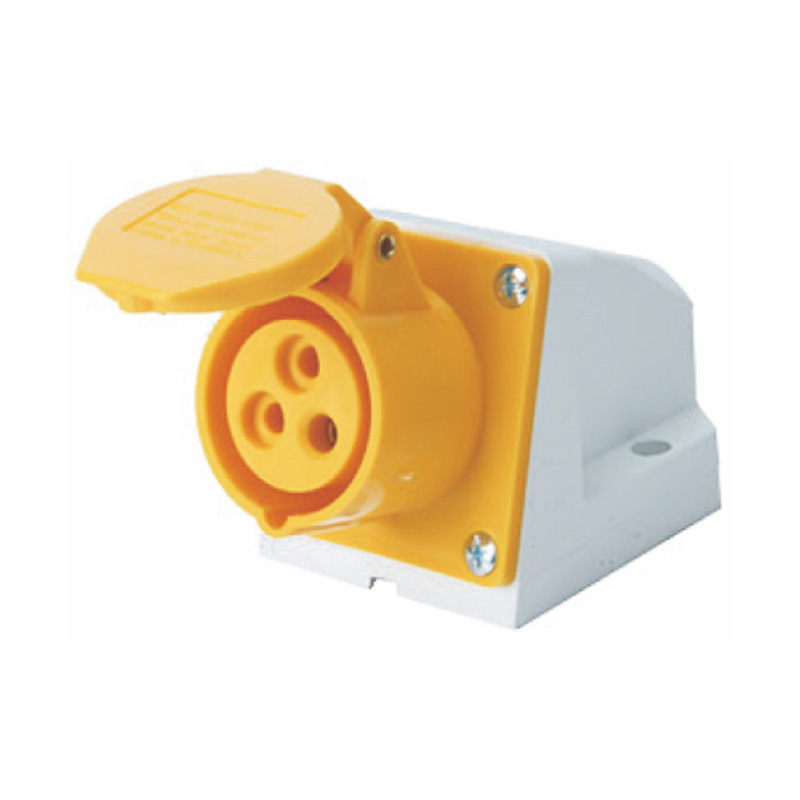
How Does an Outdoor Socket Box Improve Safety and Reliability in Outdoor Installations
 Home / News / Industry News / How Does an Outdoor Socket Box Improve Safety and Reliability in Outdoor Installations
 Outdoor electrical and control systems are increasingly expected to perform in places that are exposed to weather, changing temperatures, moisture, sunlight, and daily wear. As more utilities, communication points, and industrial devices move beyond indoor spaces, enclosure selection has become a more visible part of system planning. An Outdoor Socket Box is part of that conversation because it helps protect connection points while keeping them accessible for routine use and maintenance.
Across exterior walls, utility zones, and semi-covered spaces, the enclosure is often the good line of defense between sensitive equipment and the surrounding environment. That role matters because outdoor conditions are not fixed. A location that looks sheltered at good may still face humidity, dust, wind-driven rain, or long-term exposure to sunlight. In practice, that means an enclosure must be selected for the real conditions of the site, not only for appearance or convenience.
Modern equipment needs protection without losing accessibility. That balance is one reason outdoor enclosures continue to attract attention from installers, engineers, and maintenance teams. A well-matched enclosure helps limit exposure to weather and physical contact while supporting safe operation.
The demand has grown as outdoor systems become more common in areas such as energy, communications, automation, and building infrastructure. Many installations now require components to remain active in conditions that change throughout the day and across the seasons. A socket box or similar enclosure can help organize those components and create a more stable environment around them.
What outdoor enclosures are expected to do
These expectations explain why enclosure choice is now treated as a functional decision rather than a simple hardware purchase. The wrong material or design can create maintenance issues later, while the right one can support long-term reliability.
Outdoor boxes appear in a wide range of settings. Some are fully exposed, while others are placed in semi-covered spaces that still behave like outdoor locations over time. A box under an overhang may avoid direct rain, but it can still be affected by air moisture, wind, and temperature swings.
Typical settings include:
Each of these environments introduces different challenges. A telecom point may need easy access and reliable protection. A solar-related installation may need material choices that handle heat and exposure. A pump or sensor location may require a balance between convenience and durability. The environment shapes the enclosure choice as much as the equipment itself.
It is easy to assume that a sheltered area is fully protected, but semi-outdoor locations often still place stress on equipment. Moisture can collect in the air, air movement can carry dust, and temperature changes can good to condensation. Over time, those factors may wear down materials that were not chosen with the setting in mind.
This is especially important in places where equipment must stay functional over long periods with limited downtime. A minor weakness in enclosure protection can become a larger maintenance concern if it affects the components inside. For that reason, installers often treat semi-outdoor spaces with the same care as open-air sites.
The material used in an enclosure can influence its behavior in sunlight, moisture, heat, impact, and chemical exposure. No single material fits every situation. Instead, different materials serve different roles depending on the site and the expected stress on the equipment.
| Material | Common strengths | Possible limitations | Typical use environments |
|---|---|---|---|
| UV-resistant polycarbonate | Handles sunlight well and offers strong impact resistance | Lower-quality material may age poorly over time | Sensors, compact systems, light-duty outdoor points |
| Fiberglass reinforced polyester | Resists corrosion and many chemicals, supports electrical insulation | Can be less tolerant of hard physical impact | Chemical areas, utility sites, coastal locations |
| Aluminum | Lightweight, durable, and useful for managing heat | Needs proper surface protection in demanding settings | Solar installations, telecom systems, industrial use |
| Stainless steel | Strong resistance to corrosion and well suited to harsh conditions | Heavier and more difficult to work with | Food-related areas, coastal environments, severe industrial sites |
Outdoor exposure is dynamic. The enclosure may be dealing with direct sunlight during the day, humidity at night, and seasonal weather patterns over time. Those conditions can gradually affect appearance, surface quality, and protective performance.
Sunlight exposure
Sunlight can alter some materials if they are not suited for outdoor use. A material with good UV handling is more likely to maintain its appearance and structural stability. This matters in visible installations and in places where the enclosure will stay in use for years.
Moisture and corrosion
Rain, humidity, and salt air can be difficult for some enclosure materials. Corrosion-resistant choices are often preferred in places with coastal exposure, washdown routines, or chemical activity. In those environments, the enclosure must protect the system without becoming a weak point itself.
Physical contact and vibration
Some outdoor locations involve frequent maintenance, routine contact, or vibration from nearby equipment. In those cases, impact resistance matters. A box may resist weather well but still be vulnerable to bumps, pressure, or repeated handling.
Heat and airflow
Certain systems generate heat and need an enclosure that supports thermal balance. A box that helps with heat management can reduce strain on the internal equipment. That is particularly important in installations where the enclosure must remain closed while the system continues operating.
The Outdoor Socket Box is more than a protective shell. It can also become part of the overall design of the system. If the enclosure is easy to access, durable in the right ways, and suited to the environment, it helps simplify operation and maintenance.
A well-designed enclosure supports:
This makes enclosure selection relevant not only to installers but also to planners and facility managers. A box that fits the environment can support the overall system in a practical way, reducing the chance of avoidable interruptions.
Not every outdoor location has the same demands. A building wall installation may require a compact and discreet solution. A solar system may need a design that supports exposure and heat. A telecom point may need reliable access and protection in a small footprint. A food-related or coastal installation may need stronger resistance to moisture and cleaning routines.
Key factors to review before choosing an enclosure
These factors help determine which material and enclosure style are appropriate. The more demanding the environment, the more carefully the enclosure must be matched to the site.
Many projects place enclosures in spaces that are not fully open yet not fully indoor. These locations can create confusion because they may look protected. In reality, they still face changing air conditions, moisture, and environmental stress.
That is why choosing an enclosure for a semi-covered location should follow the same logic as choosing one for a fully exposed space. Protection is not only about direct rain. It is also about long-term stability in conditions that slowly affect the equipment.
Semi-outdoor risks often include:
Humidity buildup
Wind-driven moisture
Dust exposure
Heat retention
Temperature fluctuation
Even when direct weather contact is reduced, these conditions can still affect performance. A well-chosen enclosure helps address those risks before they become maintenance issues.
An enclosure is only useful if it supports the way the site is operated. Installers often look for a balance between strength and accessibility. Maintenance teams often care about how easy it is to inspect, service, or replace components inside the box.
Practical installation priorities
These priorities help ensure the enclosure works as part of the whole installation rather than creating extra work later. In outdoor settings, this practical fit can be just as important as the enclosure’s appearance or initial placement.
Outdoor protection should be viewed as a long-term planning choice. The enclosure must perform in the present and continue to function after exposure to seasons, weather, and repeated maintenance. That is why material selection and site matching matter so much.
As outdoor systems continue to expand in energy, communications, and building infrastructure, the enclosure around them becomes more important. A dependable box helps support the entire system by keeping the connection point safer and more manageable over time. In that context, the Outdoor Socket Box remains a useful example of how careful enclosure design can support reliability in exposed environments.
For readers exploring related enclosure solutions and outdoor installation options, more information can be found through nante.
 +86-577-62731897
 shireen@nante.com
 No.688 chezhan Road, Liushi town, Wenzhou, China
Copyright © 2024 Fly-Dragon Electrical Co., Ltd. All Rights Reserved.
 浙公网安备33038202003041号
 Privacy
Outdoor Socket Box Factory & Outdoor Electrical Distribution Panel Factory



 English
 Español
 Português
 Deutsch