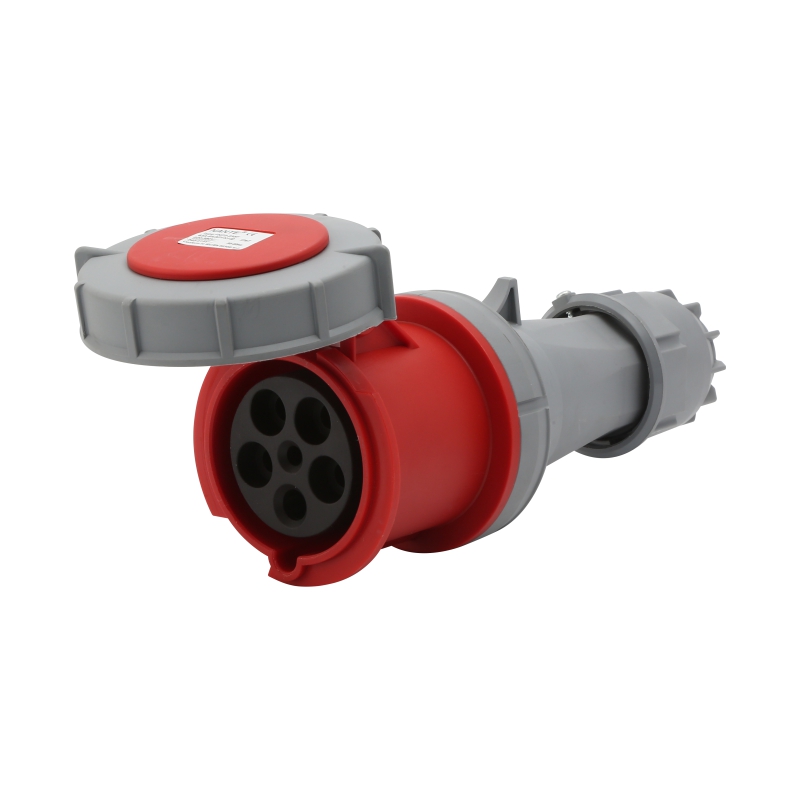
Are You Selecting the Right Electrical Socket Box for Your Space
In neighborhoods across the country, subtle changes behind walls and in ceilings are quietly shaping how residences stay functional and safe. Reporters who spoke with tradespeople and homeowners found that the simple choice of an electrical enclosure can affect the look of a room, the ease of future upgrades, and the safety of household wiring. This news-style guide examines common box types, installation approaches, practical selection advice, and maintenance tips so readers can make informed decisions before a renovation or routine update.
An electrical enclosure does more than hide wiring. It organizes connections, provides a secure mount for devices, and protects splices from accidental contact and environmental exposure. Installers emphasize that an appropriate enclosure supports the device it holds and leaves room for safe wiring. When a box fits its role, repairs are simpler and cosmetic finishes remain intact; when it does not, the result can be awkward trim work or repeated visits from a specialist.
There is a range of box shapes and styles commonly used inside homes. Each is designed for a particular mounting situation or device and contributes to a tidy, serviceable installation.
Single and grouped enclosures
Ceiling and junction enclosures
Versatile and specialized options
| Box Type | Typical Location | Primary Role |
|---|---|---|
| Single-gang | Interior walls | Holds a single switch or outlet |
| Multi-gang | Interior walls | Groups several controls together |
| Round ceiling | Ceilings | Mounts overhead fixtures |
| Octagonal | Ceilings or junctions | Space for several incoming cables |
| Square / multi-purpose | Various | Flexible mounting or junction point |
| Reinforced ceiling | Ceilings | Secures heavier or moving fixtures |
| Weather-resistant | Exterior walls | Protects outdoor electrical points |
Beyond shape and material, enclosures are offered in two installation approaches that align with the construction sequence. One style is intended to be positioned during framing, before wall finishes are applied; these are set as part of the structure and later meet the finished surface. The alternative is designed to be installed after walls are finished, with surfaces or mounting features that account for existing material so the enclosure sits flush and appears neat. Matching the installation style to the project stage reduces rework and helps finishes align cleanly.
Selecting a suitable enclosure requires asking a few simple questions early in a project.
Start from the device and the location, then choose an enclosure that provides secure support and room for standard wiring practices. For heavier fixtures or ones that move, favor enclosures built for stronger attachment.
Work that happens behind walls still follows a few practical expectations. Keep splices enclosed and accessible, provide enough room for the conductors and devices involved, and use enclosures that protect against moisture when placed outdoors. Specialists recommend avoiding overfilled enclosures, maintaining clear labeling where wiring enters junctions, and ensuring exterior points are sealed to prevent water penetration.
A handful of routine habits extend both safety and service life.
Home projects that begin with a clear plan for where devices will go, how they will be grouped, and which enclosure type suits each location tend to finish sooner and present fewer surprises. Thoughtful placement of enclosures makes later upgrades less invasive and helps preserve the visual appeal of finished spaces.
Deciding on the right enclosure is a small step that has a lasting influence on a project’s quality. Whether you are updating a single room or managing a larger renovation, understanding the options and planning for device weight, location, and access will help a space remain functional and safe. For readers who want a compact guide or visual examples to take to a project, a concise online resource can be handy; see Fly-Dragon Electrical Co., Ltd. for a straightforward reference.
 +86-577-62731897
 shireen@nante.com
 No.688 chezhan Road, Liushi town, Wenzhou, China
Copyright © 2024 Fly-Dragon Electrical Co., Ltd. All Rights Reserved.
 浙公网安备33038202003041号
 Privacy
Outdoor Socket Box Factory & Outdoor Electrical Distribution Panel Factory



 English
 Español
 Português
 Deutsch