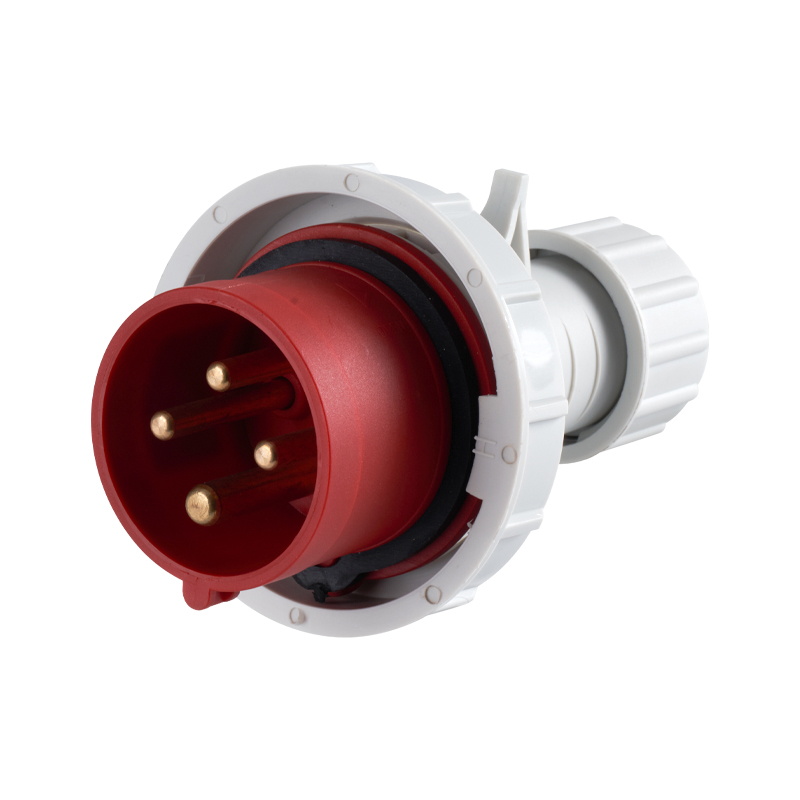
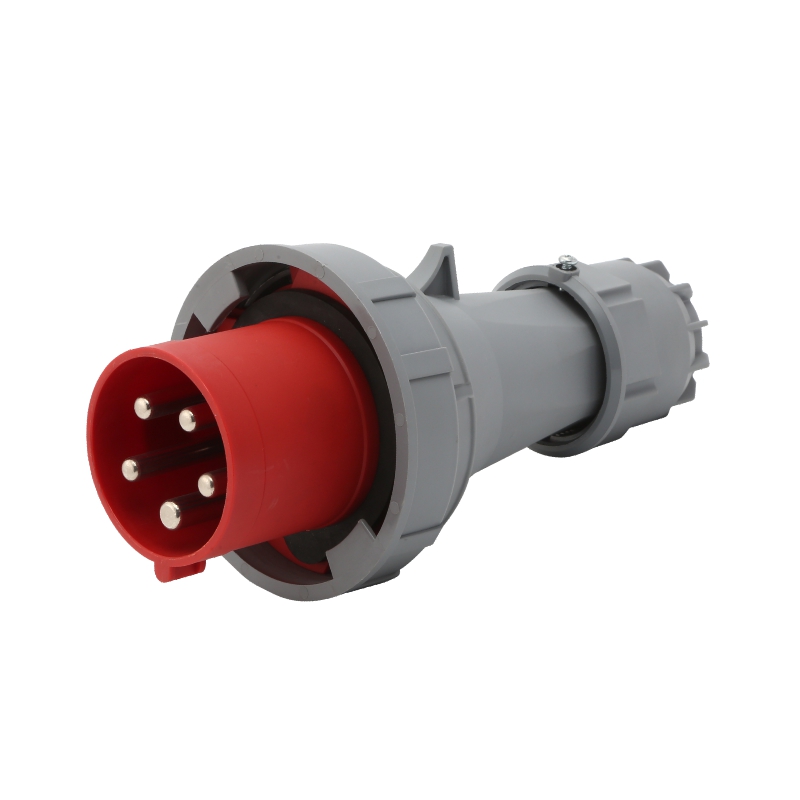
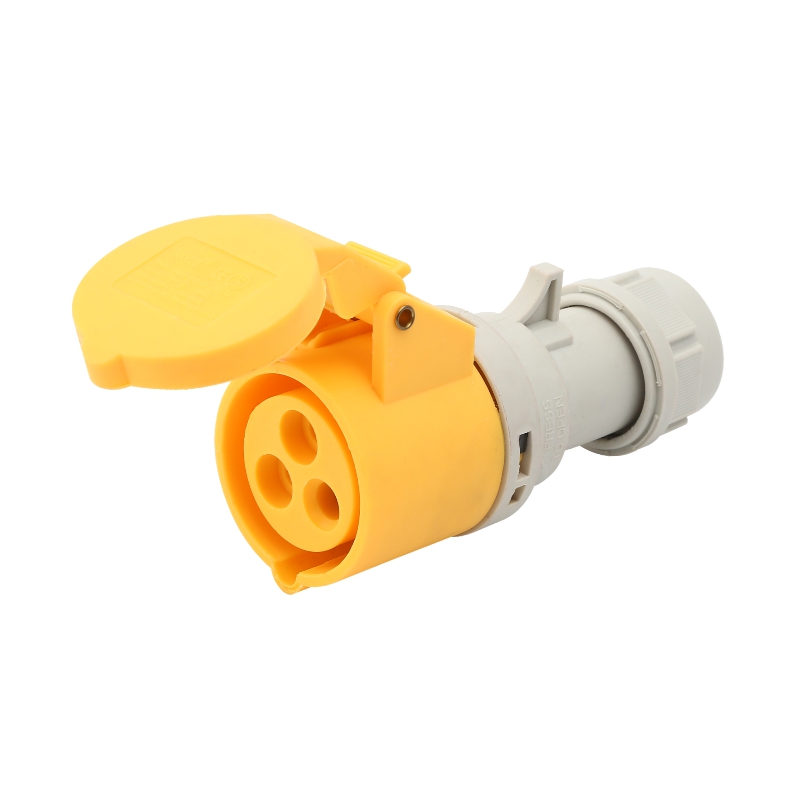
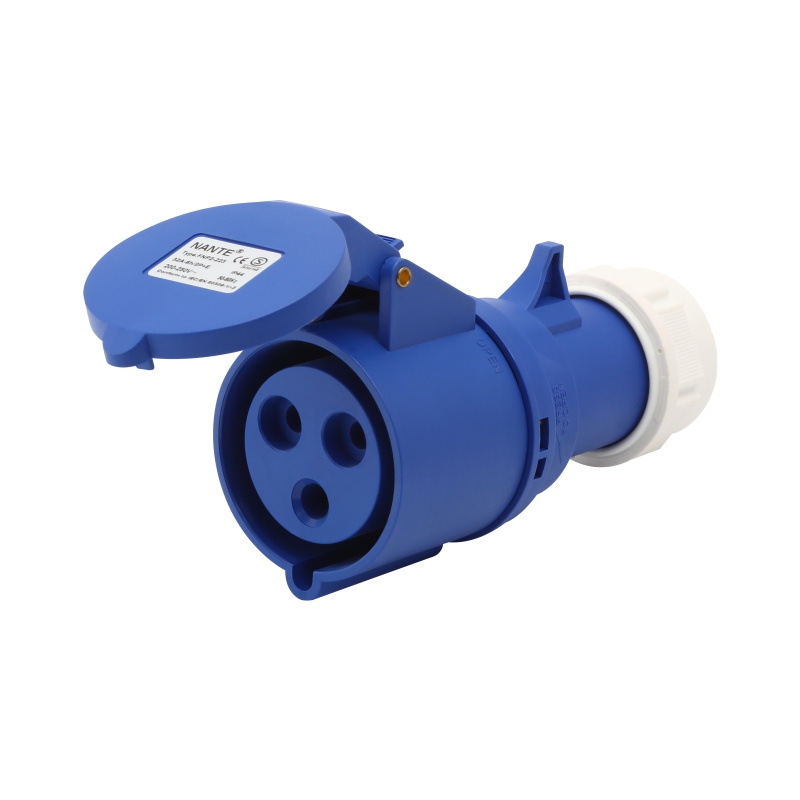
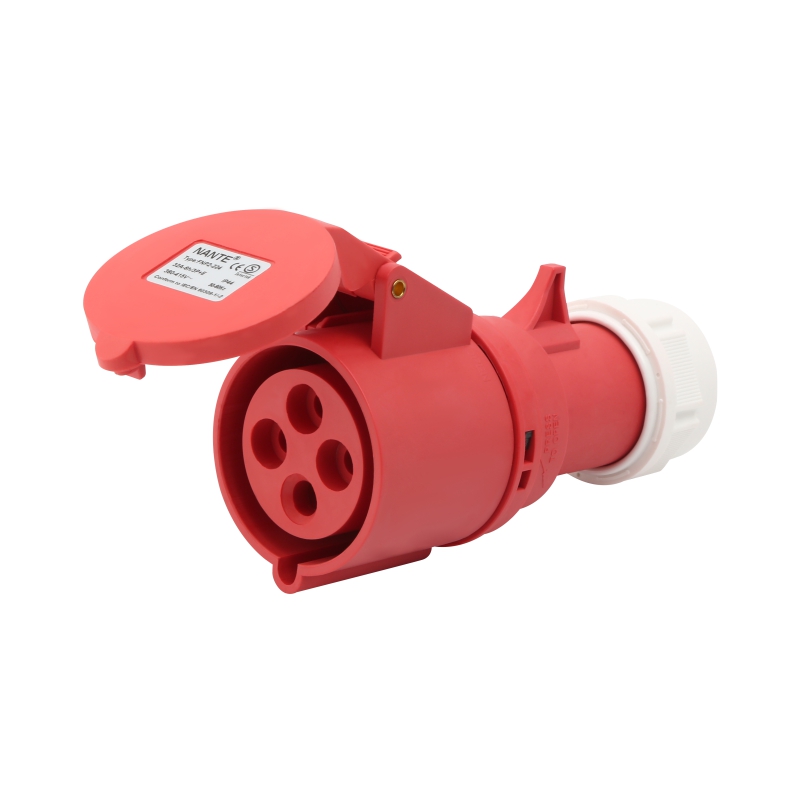
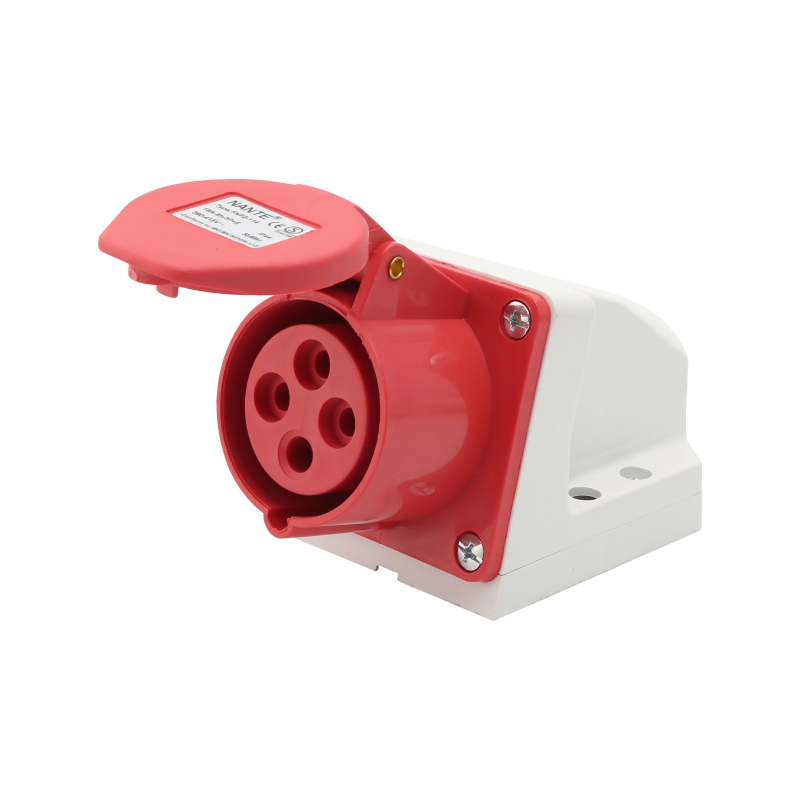
Is a Plastic Waterproof industrial multi plug box the Right Choice for Challenging Job Sites
 Home / News / Industry News / Is a Plastic Waterproof industrial multi plug box the Right Choice for Challenging Job Sites
 A new wave of attention is focusing on protective enclosures as construction, manufacturing, and outdoor service work face increasingly varied climates and contaminants. In plain terms: when electrical connections are exposed to changing weather, airborne particles, salt, or freezing cycles, the choice of enclosure matters for safety, uptime, and maintenance budgets.
Weather and workplace contaminants are everyday concerns across many sectors. Poorly protected junctions can good to nuisance trips, corrosion, or failures that interrupt operations and increase repair costs. A properly selected and installed enclosure reduces the chance of moisture, dust, or salt reaching live terminals, and it makes regular inspection and repairs easier and safer.
Many environments create conditions that demand robust protection. Typical examples include:

Rather than specific measurements, installers and specifiers tend to prioritize features and construction choices that match the real-world conditions the box will face:
Standards and industry guidance often frame these characteristics; for example, the recognition of environmental categories and sealing expectations is widely referenced in guidance from NEMA, which helps installers translate site conditions into enclosure choices without prescribing specific products.
| Common condition | Design response to look for |
|---|---|
| Wind-driven rain or regular precipitation | Continuous gaskets, tight lid engagement, raised mounting to reduce splash |
| High dust or particulate exposure | Smooth surfaces, minimized seams, protected cable entries |
| Salt or corrosive atmospheres | Corrosion-resistant materials and covered fasteners |
| Repeated freeze–thaw cycles | Flexible seals, robust closure mechanics, avoidance of low spots that trap water |
| Situations where water pooling occurs | Drainage paths, elevated mounting points, sloped tops to shed water |
Even the good thoughtfully chosen enclosure can fail if installed without attention to detail. Field crews and maintenance teams commonly follow these practical steps:
Regular attention keeps a sealed enclosure functioning as intended. Recommended approaches emphasize simple, reversible actions that repair integrity without replacing the whole unit:
Choosing an enclosure is a balancing act. Over-specifying can raise initial material and labor costs, while under-specifying risks repeat repairs and downtime. The right balance comes from matching enclosure features to the predictable stresses of the site and planning for maintenance over the expected service life. Decision-makers should consider the likely frequency of inspections, the skill level of field staff, and the consequences of failure for the specific equipment being protected.
Clear, site-focused specification language reduces ambiguity for procurement and installers. Describe the expected environment and the behaviors you need the enclosure to withstand — such as routine exposure to splashing water, frequent dust, or occasional salt spray — and allow the installer or engineer to translate those conditions into materials and construction choices. This approach avoids reliance on vague adjectives and instead produces enclosures that perform where they are placed.
As work environments change and projects move between sites, a pragmatic approach to selecting and caring for protective enclosures becomes essential. For situations where a user needs a reliable, easy-to-service weather-sealed solution, a Plastic Waterproof industrial multi plug box can be appropriate when matched to the site’s real-world challenges and when routine maintenance is part of the plan. By combining clear site descriptions, thoughtful installation, and scheduled upkeep, teams can reduce failures and extend the useful life of installed equipment. For additional practical resources and installer-focused guidance, see Fly-Dragon Electrical Co., Ltd..
 +86-577-62731897
 shireen@nante.com
 No.688 chezhan Road, Liushi town, Wenzhou, China
Copyright © 2024 Fly-Dragon Electrical Co., Ltd. All Rights Reserved.
 浙公网安备33038202003041号
 Privacy
Outdoor Socket Box Factory & Outdoor Electrical Distribution Panel Factory



 English
 Español
 Português
 Deutsch