Can Nante’s Outdoor Socket Box Withstand Weather — Or Is Location the Real Safety Factor
 Home / News / Industry News / Can Nante’s Outdoor Socket Box Withstand Weather — Or Is Location the Real Safety Factor
 As homeowners and contractors push outdoor electrical work higher on their renovation lists, a renewed focus has fallen on how enclosures perform in real conditions. Products marketed for exterior use — often called outdoor socket boxes — promise a neat, accessible power point for lighting, tools, and seasonal devices. Yet safety and longevity depend as much on where and how an enclosure is installed as on the product itself. This report examines installation choices, common pitfalls, and practical guidance to help readers choose and place an outdoor socket box with confidence.
Choosing the right enclosure starts with a clear picture of what will go inside. An undersized box can cram conductors and devices together, increasing the chance of loose connections and heat buildup. An oversized box might be harder to mount neatly or conceal, but it can offer easier wiring and better room for future work.
What installers should consider
Experienced electricians say planning ahead reduces rework and helps avoid unsafe compromises made at the job site.
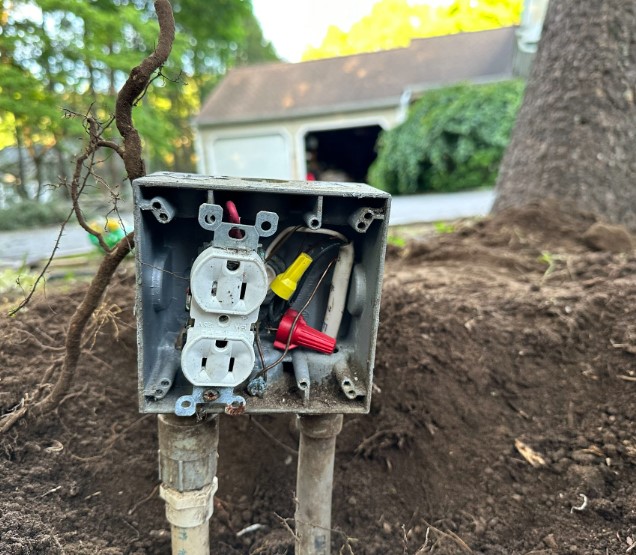
The environment in which a socket box sits affects longevity and safety. Outdoor settings expose enclosures to weather, temperature swings, and mechanical wear. Even a product intended for exterior use can be compromised by direct exposure to rain, repeated splashes from irrigation systems, or placement near sources of heat and moisture.
Location factors to weigh
A thoughtful siting strategy often preserves both performance and appearance, while minimizing the chance of weather-related failures.
Regulatory guidance calls for appropriate internal volume based on the conductors and devices present. In practical terms, that means planning a layout that avoids crowded splices and allows conductors to enter and leave the enclosure without sharp bends or stress.
Practical wiring tips
Good internal organization not only meets safety expectations but also speeds future troubleshooting.
Even when an outdoor socket box is rated for exterior use, installation details determine whether it really performs outdoors. Mounting location, cover type, and sealing around cable entries are all part of a successful exterior installation.
Key installation steps
Skilled installers treat weatherproofing as a system rather than a single product feature.
| Concern | Typical near-term outcome | Practical long-term approach |
|---|---|---|
| Crowded wiring | Hard-to-access splices, potential overheating | Plan conductor count; allow extra space |
| Direct exposure to rain | Corrosion, moisture ingress | Choose sheltered mounting or better seals |
| Tight cable entries | Damaged jackets, stress points | Use strain reliefs and proper fittings |
| Infrequent access | Dust build-up, unnoticed issues | Place where routine checks are easy |
An accessible enclosure simplifies inspections and repairs. If a box is tucked behind finishes or under heavy landscaping, routine checks become difficult and small problems may go unnoticed until they cause failure. Planning for future access is a low-cost step that pays off over the life of the installation.
Maintenance-minded placement
These small practices reduce the chance of costly or unsafe interventions later.
For complex outdoor electrification projects, a licensed professional brings both code knowledge and practical experience. Simple replacements and box relocations can sometimes be handled by a skilled DIYer, but any work that affects circuit capacity, involves buried wiring, or requires system changes is good done by a qualified installer.
When professional help matters
Professional engagement at the design stage often saves time and ensures a compliant outcome.
Manufacturers publish intended use cases, but installation choices determine real-world performance. A well-chosen outdoor socket box can perform reliably for years if it is matched to its environment and installed with attention to sealing, cable protection, and accessibility.
Practical selection advice
Those steps help turn a product’s promise into durable performance in ordinary conditions.
Outdoor electrical work blends product choice with thoughtful placement and wiring practice. An outdoor socket box can provide convenient access to power if it is sized correctly, positioned with weather and access in mind, and wired with appropriate protection. For homeowners and project planners seeking more information on products and installation advice, additional resources are available from nante.
 +86-577-62731897
 shireen@nante.com
 No.688 chezhan Road, Liushi town, Wenzhou, China
Copyright © 2024 Fly-Dragon Electrical Co., Ltd. All Rights Reserved.
 浙公网安备33038202003041号
 Privacy
Outdoor Socket Box Factory & Outdoor Electrical Distribution Panel Factory



 English
 Español
 Português
 Deutsch