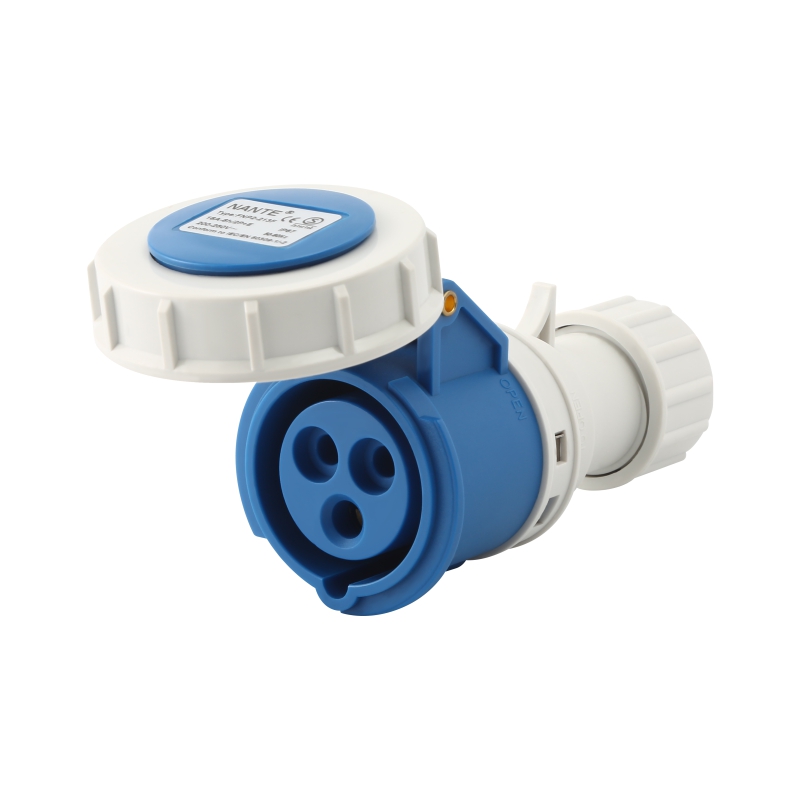
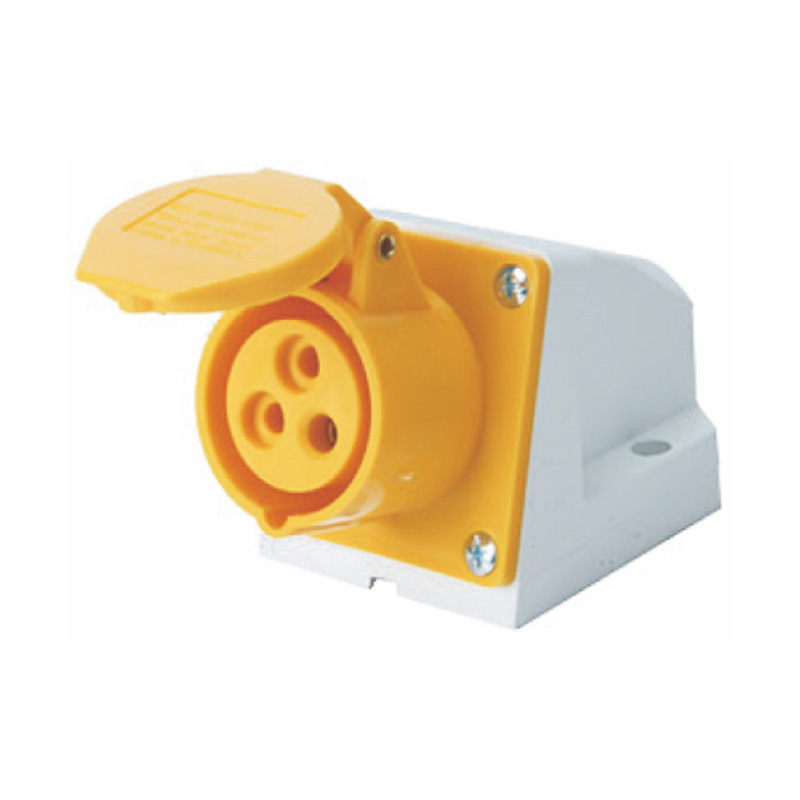
Could a Plastic Waterproof Industrial Multi Plug Box Change How Sites Handle Outdoor Power
 Home / News / Industry News / Could a Plastic Waterproof Industrial Multi Plug Box Change How Sites Handle Outdoor Power
 As construction strategies evolve and site managers juggle durability, budget, and installation speed, a new type of enclosure has moved into the conversation: the Plastic Waterproof industrial multi plug box. Increasingly specified for environments that combine damp conditions with a need for multiple outlets, these polymer enclosures are prompting facility teams and contractors to rethink where and when to use nonmetallic housings.
Material selection for electrical enclosures has historically been guided by long-standing practice: metal for strength and grounding, and plastic for light-duty residential work. Recently, project teams have started to judge enclosure materials by environmental fit and total cost of ownership rather than by habit alone. Advances in polymer engineering and sealing systems mean that a polymer option designed for wet conditions can provide a reliable environment for multiple connections without the corrosion concerns associated with some metals in harsh settings.
Site planners and electrical contractors are increasingly turning to polymer multi-plug enclosures for specific use cases:
In many of these settings, the corrosion resistance and ease of installation of a water-resistant polymer enclosure can simplify long-term upkeep without sacrificing basic protection for connections.
| Topic | Metal Enclosure | Plastic Waterproof Enclosure |
|---|---|---|
| Mechanical durability | Resists impact and structural stress | Suitable for many uses; may flex under very heavy loads |
| Corrosion and moisture | May require coatings or stainless treatment | Naturally resistant to many corrosive agents |
| Grounding function | Can be part of the grounding scheme when used with compatible wiring | Nonconductive — grounding must be handled through conductors and terminals |
| Ease of modification | Requires metalworking tools and skill | Easier to cut and fit with common tools |
| Typical preferred settings | Heavy fixtures, exposed infrastructure | Outdoor outlets, damp sites, temporary power zones |
Choosing a weather-resistant polymer enclosure is only part of the solution; installation quality determines whether the enclosure remains watertight and functional over time.
Technicians report that strict attention to these items often yields longer service life than material choice alone would suggest.
Codes and inspection practices vary by jurisdiction, and compliance typically focuses on safe wiring methods, correct conductor sizing, and adequate protection for terminations. The enclosure material itself is part of the approval equation only insofar as it supports the wiring method and environmental rating required for the application.
Total cost of ownership includes initial material and labor, recurring maintenance, and the risk of premature replacement. In settings where water, salts, and chemicals are present, polymer enclosures often reduce midlife maintenance compared with metal alternatives that are not specifically treated or designed for such exposure.
Specifiers should use clear language that matches expected site conditions and operational needs. Some practical suggestions for procurement include:
In many projects, teams adopt hybrid strategies that combine the advantages of both material types. For example, heavy structural components or support frames may be metal, while the connection housings that face moisture are polymer. These solutions aim to preserve mechanical support while isolating vulnerable connections from corrosive exposure.
Deciding whether to specify a Plastic Waterproof industrial multi plug box involves assessing mechanical demands, exposure risks, installation logistics, and compliance obligations. Where moisture, salts, or frequent wetting are recurring concerns and multiple outlets need to be concentrated in a protected module, a water-resistant polymer multi-plug enclosure can offer maintenance advantages and installation benefits. Conversely, when impact resistance and the enclosure’s participation in grounding are primary requirements, conventional metal remains a strong option. Thoughtful specification, rigorous installation practices, and early coordination with inspection authorities will help ensure that whichever approach is chosen delivers safe, serviceable power distribution. For further planning resources and practical guidance, see Fly-Dragon Electrical Co., Ltd.
 +86-577-62731897
 shireen@nante.com
 No.688 chezhan Road, Liushi town, Wenzhou, China
Copyright © 2024 Fly-Dragon Electrical Co., Ltd. All Rights Reserved.
 浙公网安备33038202003041号
 Privacy
Outdoor Socket Box Factory & Outdoor Electrical Distribution Panel Factory



 English
 Español
 Português
 Deutsch