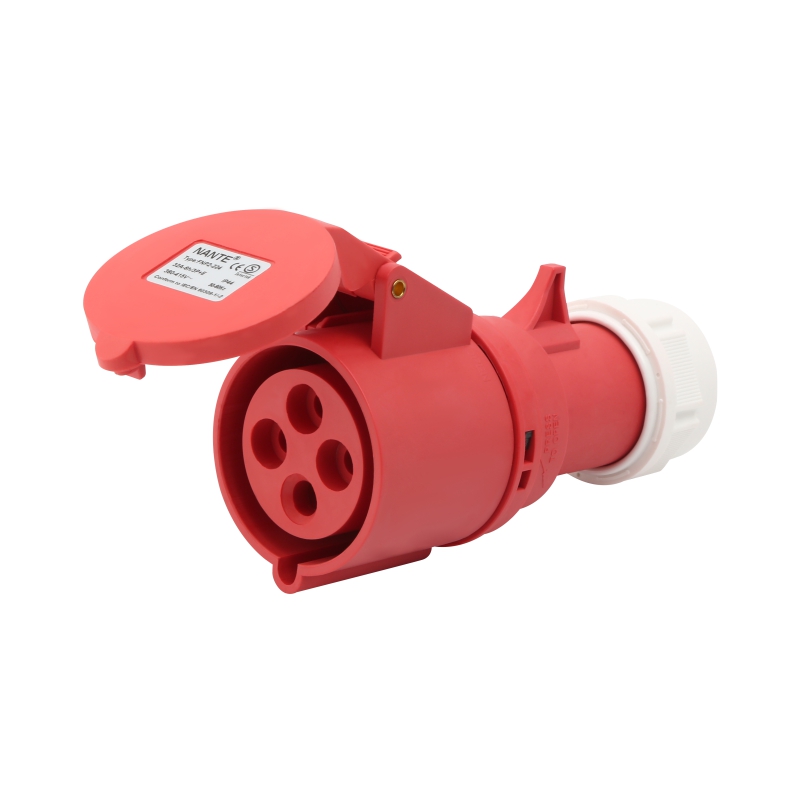
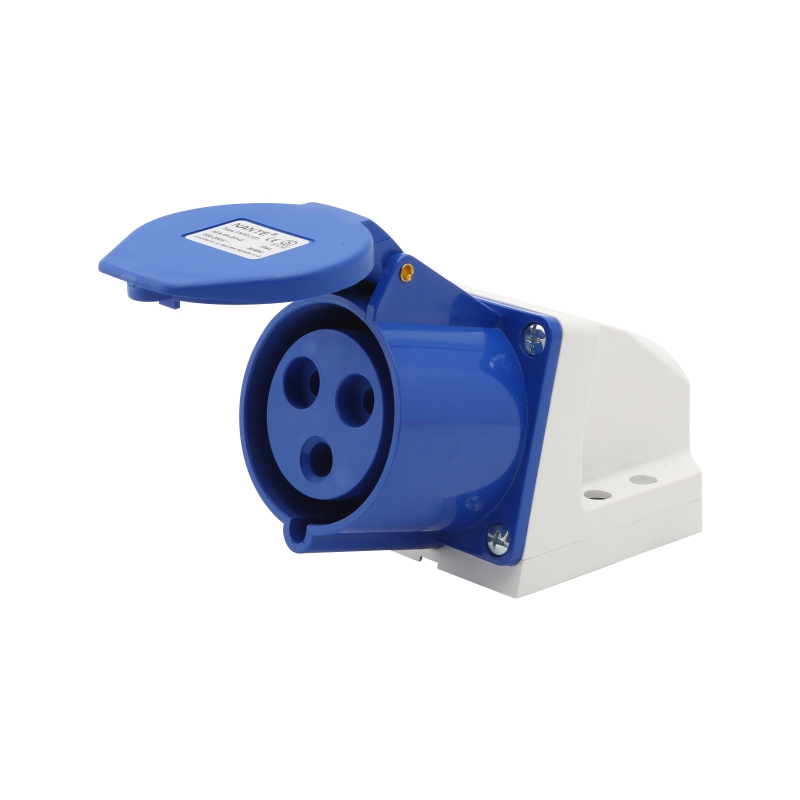
Could a Plastic Waterproof industrial multi plug box Help Prevent Household Overloads
 Home / News / Industry News / Could a Plastic Waterproof industrial multi plug box Help Prevent Household Overloads
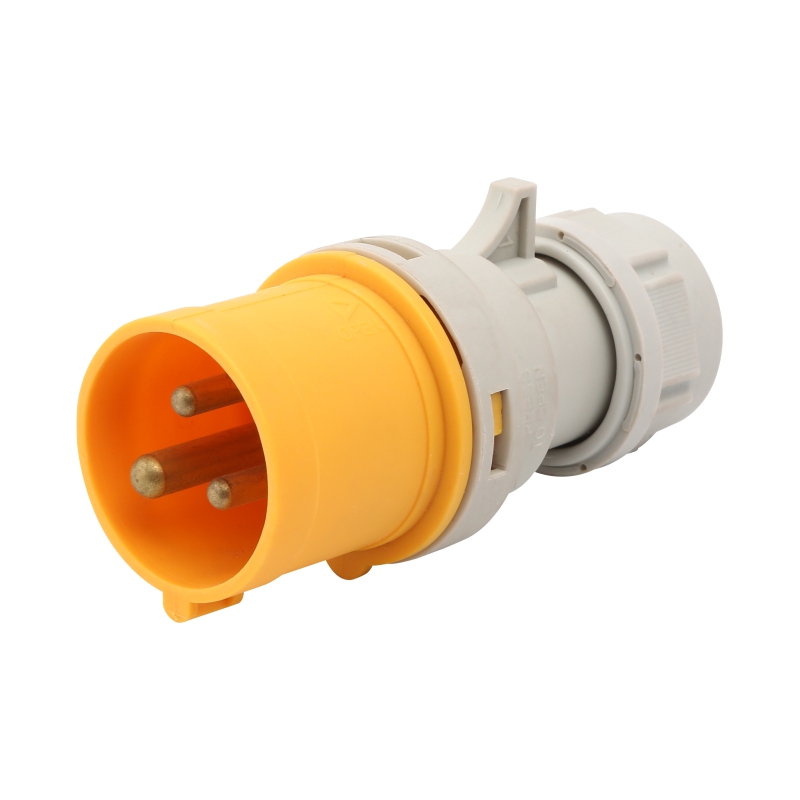
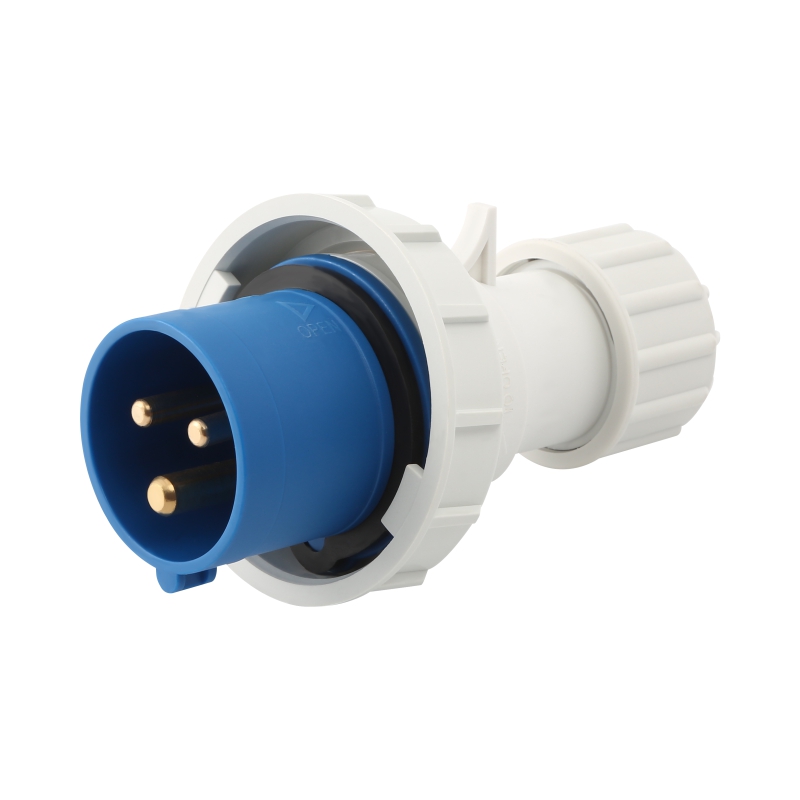
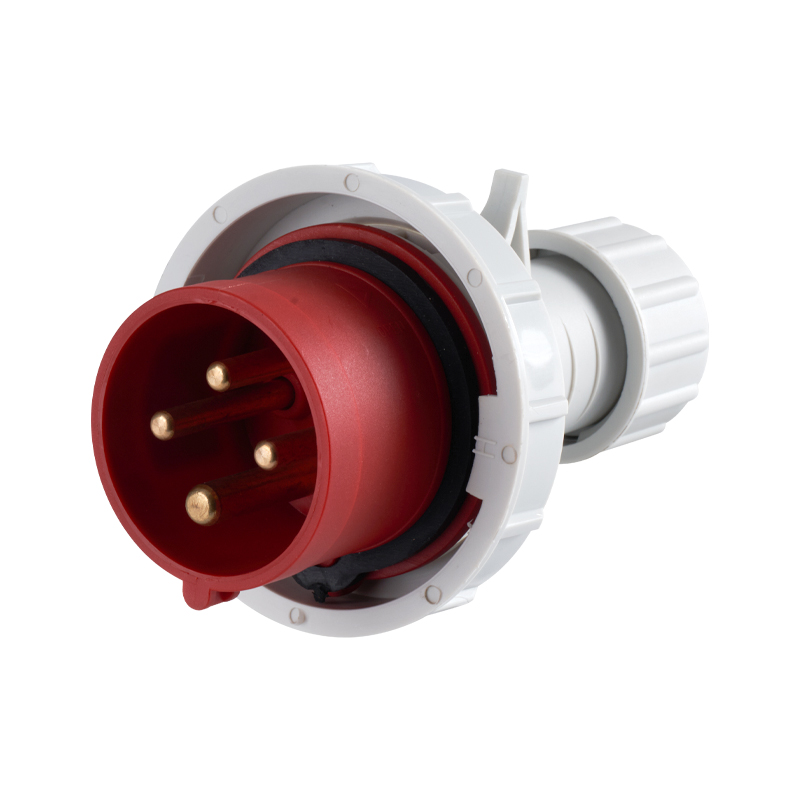
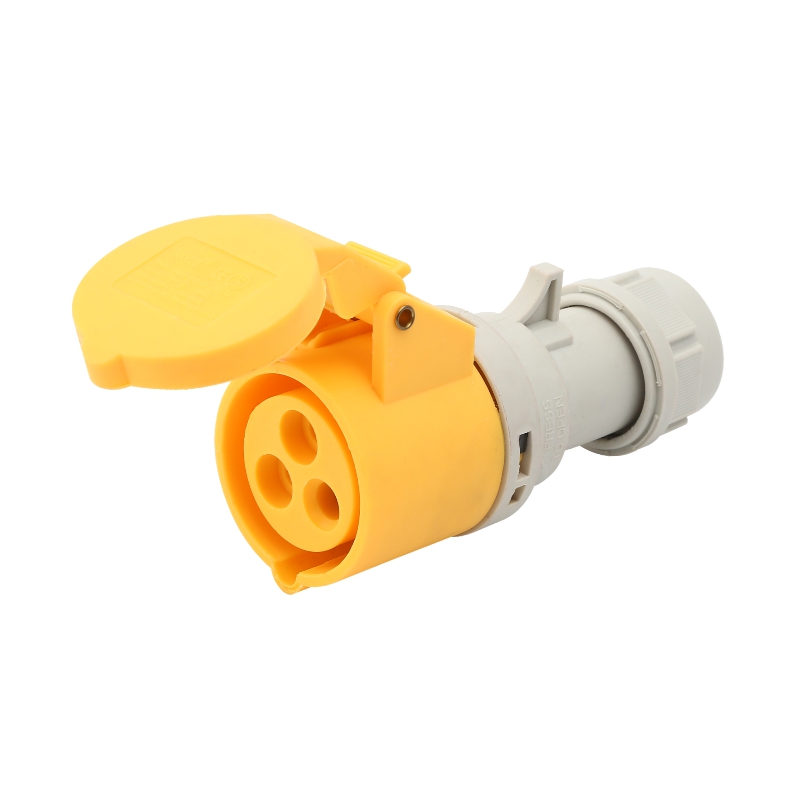
 As homes pack more devices into everyday life, a quiet question is returning to the forefront of household safety conversations: can product-level innovations — such as a rugged, Plastic Waterproof industrial multi plug box — play a meaningful role in reducing the risk of overloaded circuits and the fires that can follow? Engineers, electricians, and safety advocates say the answer depends less on a single device and more on how that device is used within a home's wiring and protective systems.
Outlets are often treated like independent power sources, but they function as endpoints on broader circuits. That distinction matters: the health of wiring, the correct selection of protective devices, and how devices are distributed across circuits determine whether a household setup is safe. A Plastic Waterproof industrial multi plug box can offer physical protection in damp or demanding spaces, but it does not change the electrical limits of the wiring behind the outlet. Experts stress that such boxes are a layer of practical protection for devices and connectors rather than a substitute for good wiring practices.
Electrical safety professionals emphasize that how long a device runs is as important as how much power it draws. Appliances and equipment that operate for long periods place sustained thermal stress on wiring. Code guidance and industry practice call for reduced continuous loading on circuits to prevent gradual heating, which can degrade insulation and connections over time. In short, short bursts of power are different from sustained draws — and household planning should account for both.
Homeowners often notice symptoms before a catastrophic failure occurs. Warm outlet faces, repeated tripping of protective devices, flickering lights, or unusual odors near outlets are all red flags. These signs point to either an overloaded circuit or a developing fault and should prompt a reduction in load and a professional inspection.
There are straightforward measures that reduce the likelihood of overloads and associated hazards. Thoughtful placement of devices, avoiding the habit of plugging many heavy-load appliances into a single point, and using equipment designed for the intended environment all help. In spaces where moisture or dust is a concern, a robust, Plastic Waterproof industrial multi plug box provides an added safeguard by protecting connectors and keeping contact points clean.
Kitchens, laundry setups, workshops, and outdoor work areas commonly host appliances and equipment that run for extended periods or draw steady power. For safety and convenience, these areas are typically planned with dedicated circuits and outlets rated for heavier usage. When users add new equipment or reconfigure a workspace, consulting a licensed professional helps ensure the wiring, protective devices, and any multi-plug distribution align with safe practices.
| Context | Typical hazard | Practical response |
|---|---|---|
| Living rooms and bedrooms | Multiple small devices drawn from a single outlet | Spread loads across different circuits; unplug when not in use |
| Kitchens and laundry spaces | Long-running appliances and clustered outlets | Consider dedicated outlets and protectors; avoid sharing a single point |
| Workshops and garages | Continuous-use tools and outdoor exposure | Use moisture-resistant distribution boxes and separate circuits |
| Temporary outdoor events | Exposure to weather and multiple plugged devices | Employ waterproof multi-plug enclosures and keep connections off the ground |
| Shared break areas | Shared utensils and equipment causing cross-contamination | Reduce shared-contact items; ensure device surfaces are cleaned routinely |
Even the good robust equipment needs care. Regular inspection of cords and connectors, attention to warmth or discoloration, and timely replacement of damaged components are basic maintenance actions that keep a household electrical system working safely. Users should also resist the temptation to treat heavy-duty multi-plug devices as a way to bypass proper circuit planning; they are a tool to manage connections, not a remedy for overloaded wiring.
Repeated trips, visible damage, or any indicator of heat or burning require intervention. Licensed electricians can trace load paths, test protective devices, and make recommendations such as redistributing loads or installing additional circuits where needed. In certain settings — workshops, construction sites or outdoor setups — compliance with local safety practices and standards is especially important, and professionals can help bridge the gap between everyday convenience and code-aligned installation.
A sturdy, Plastic Waterproof industrial multi plug box is a practical piece of kit for those who need to manage multiple connections in challenging environments. When paired with sensible load management and professional planning, it contributes to safer, neater, and more reliable power distribution in the home and at temporary sites. It is not a cure for overloaded wiring, but it is part of a toolbox of measures that reduce risk and make everyday electrical use easier to manage.
For readers seeking further guidance on safe distribution and protective products, consult trusted safety resources or speak with a licensed electrician. For additional product information and practical resources, visit Fly-Dragon Electrical Co., Ltd..
 +86-577-62731897
 shireen@nante.com
 No.688 chezhan Road, Liushi town, Wenzhou, China
Copyright © 2024 Fly-Dragon Electrical Co., Ltd. All Rights Reserved.
 浙公网安备33038202003041号
 Privacy
Outdoor Socket Box Factory & Outdoor Electrical Distribution Panel Factory



 English
 Español
 Português
 Deutsch