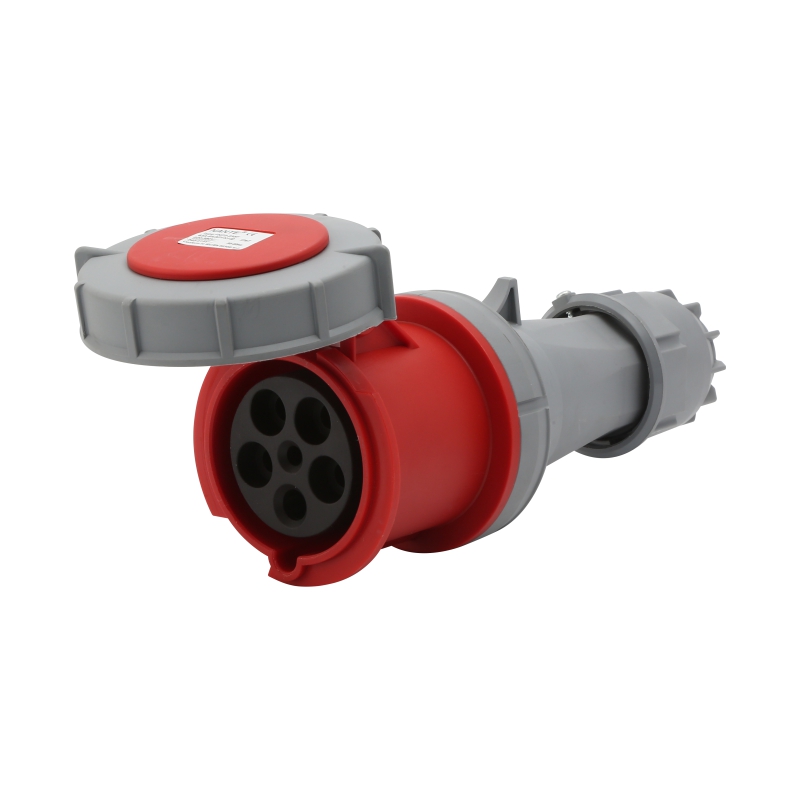
Could an Electrical Socket Box Make Everyday Wiring Safer and Easier to Service
 Home / News / Industry News / Could an Electrical Socket Box Make Everyday Wiring Safer and Easier to Service
 An often-overlooked element of building wiring, the Electrical Socket Box quietly supports everyday electrical safety and long-term serviceability. Whether hidden behind interior finishes or mounted in visible locations, an Electrical Socket Box is designed to house connections, protect conductors, and provide a stable anchor for switches, outlets, and fixtures. As homeowners, renovators, and installers consider upgrades or repairs, understanding how these enclosures function helps reduce risk and supports more reliable planning.
At its core, a wiring enclosure serves a small set of concrete purposes that together improve safety and serviceability.
Understanding these roles clarifies why attention to box selection and placement matters during any wiring task.
Different shapes and styles are used to match the installation need. The description below highlights typical choices and the situations they address.
Used where one or more switches or wall outlets are mounted.
Installed in interior walls so devices align flush with surface finishes.
Intended for light fixtures, alarms, and small ceiling-mounted devices within rating.
Mounted in ceilings or on walls where the fixture must be firmly supported.
Provide space for multiple cable splices and branching points.
Common in basements, attics, or other accessible areas where circuits diverge.
Applied for exterior outlets, lighting, and damp or wet locations.
Feature seals and covers intended to keep moisture away from connections.
Selecting the right enclosure is not just a matter of convenience; it affects performance, safety, and the ease of future work.
| Typical Need | Suggested Enclosure Type | Why this choice helps |
|---|---|---|
| Mounting a wall switch or outlet | Rectangular switch and outlet enclosure | Keeps devices flush with finished surfaces and secures fasteners |
| Installing a ceiling light or alarm | Ceiling / fixture enclosure | Provides secure attachment and room for connections |
| Splicing multiple cables | Junction enclosure | Offers extra interior space and an accessible location |
| Exterior outlet or lighting | Weather-resistant enclosure | Protects wiring from moisture and environmental exposure |
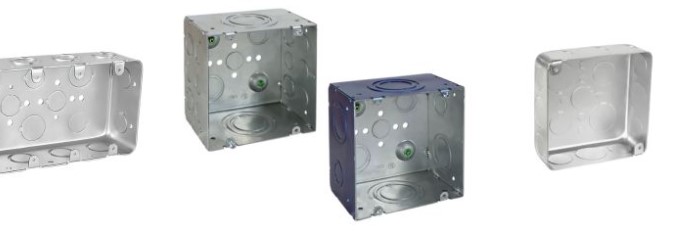
Many planning tasks can be done at the homeowner level, but there are clear situations where a licensed practitioner should be involved.
Planning ahead reduces the chance of disruptive upgrades later.
Consider extra capacity — when routing new wiring, allow space for potential splices or an additional device to minimize future demolition.
Keep accessibility in mind — position junctions where they can be reached for testing and changes.
Match enclosure selection to the environment — choose enclosures with appropriate protective features for exposed or damp locations.
A well-chosen and properly installed enclosure supports safe, maintainable wiring that stands the test of time. Attention to size, mounting, and environmental protection reduces the likelihood of future repairs and helps preserve reliable operation. For users planning projects or seeking further product information, see nante.
 +86-577-62731897
 shireen@nante.com
 No.688 chezhan Road, Liushi town, Wenzhou, China
Copyright © 2024 Fly-Dragon Electrical Co., Ltd. All Rights Reserved.
 浙公网安备33038202003041号
 Privacy
Outdoor Socket Box Factory & Outdoor Electrical Distribution Panel Factory



 English
 Español
 Português
 Deutsch