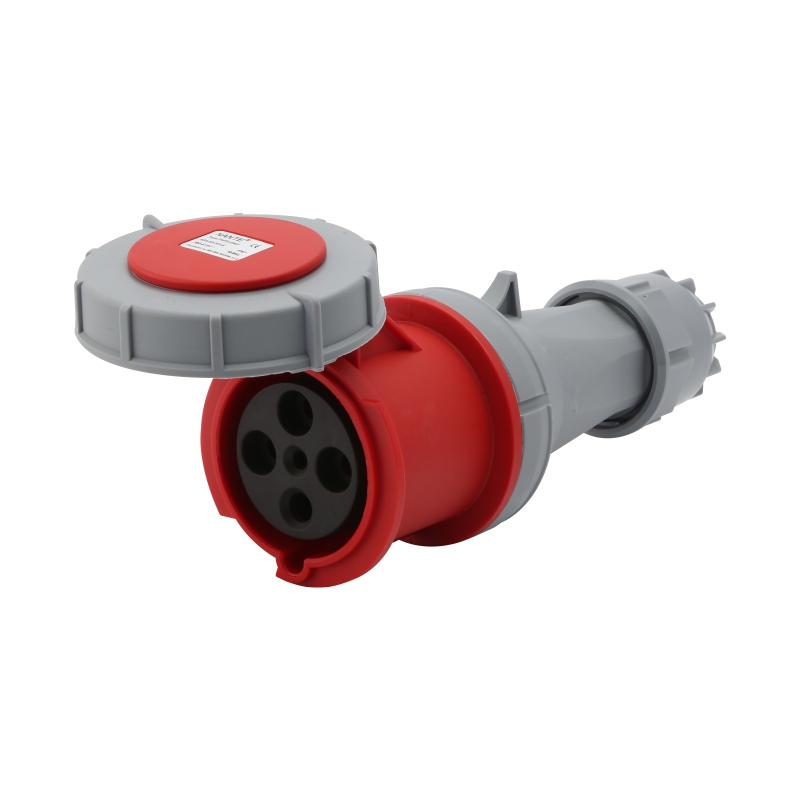
Could an Industrial Plug Socket Connector Improve Reliability on the Shop Floor
 Home / News / Industry News / Could an Industrial Plug Socket Connector Improve Reliability on the Shop Floor
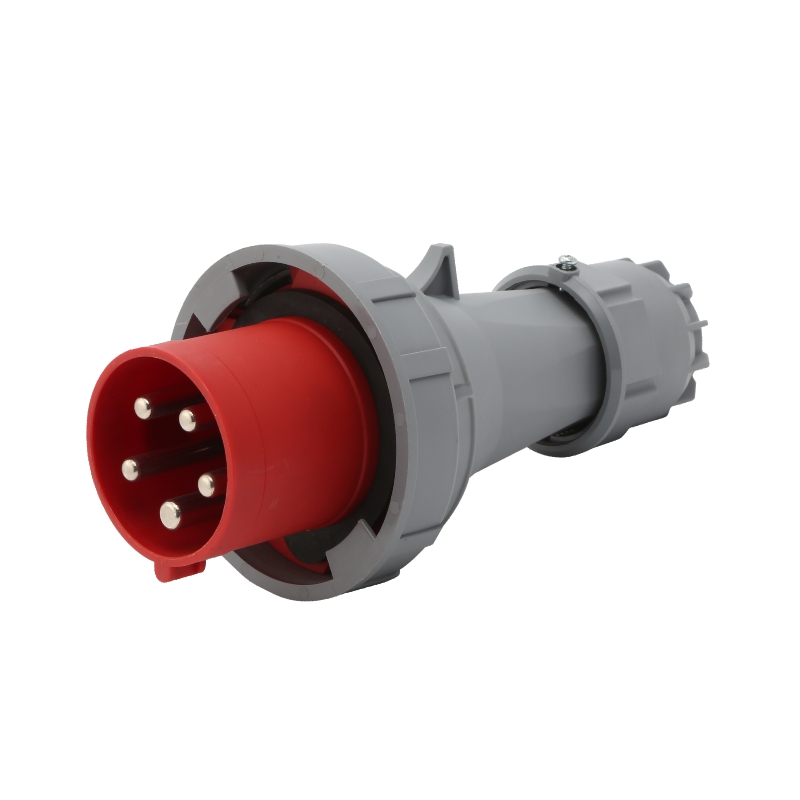
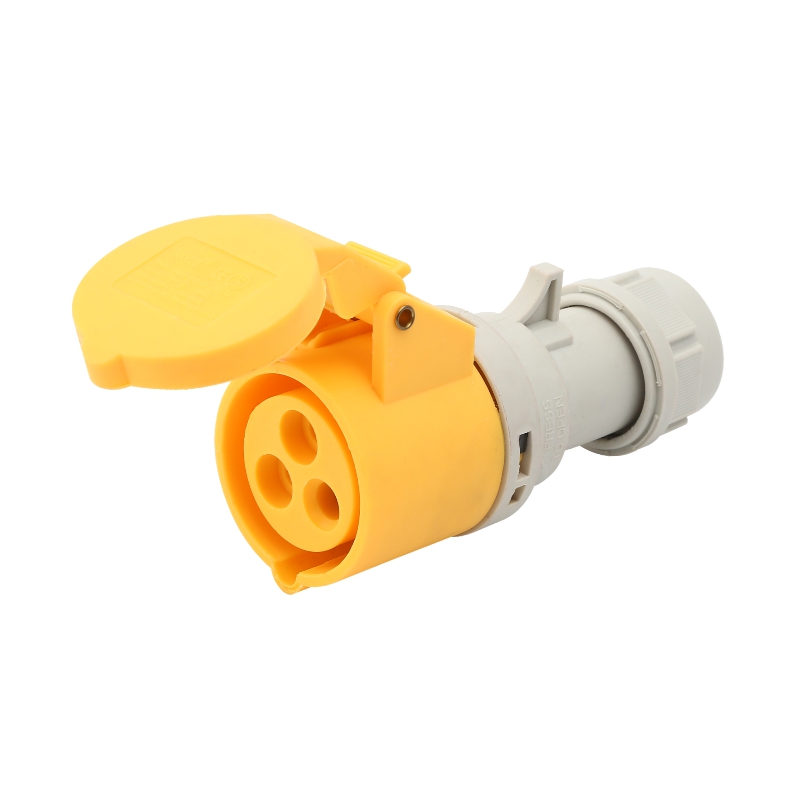
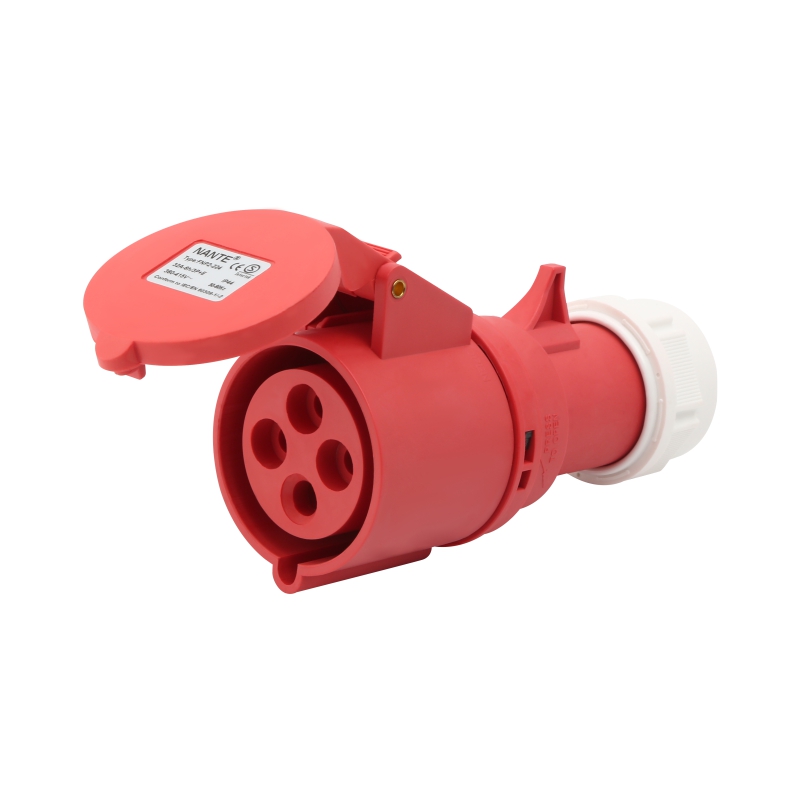
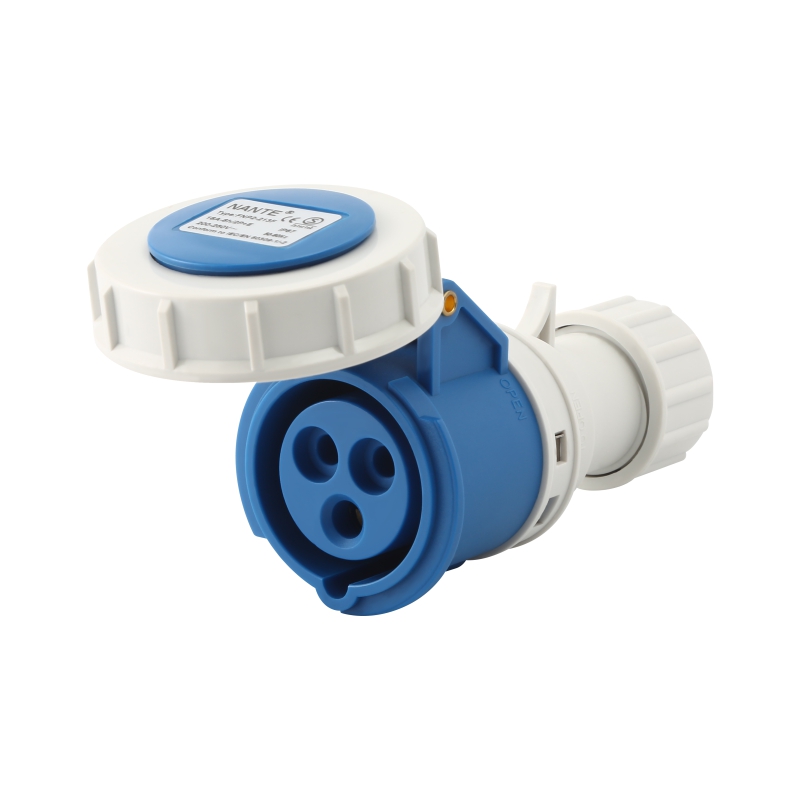
 As factories, workshops and construction sites demand more from power distribution, a once-overlooked component is drawing renewed attention: the Industrial Plug Socket Connector. Engineers, safety officers and maintenance teams say that choosing the right connector is a practical way to reduce downtime, improve worker safety and simplify servicing. Rather than treating connectors as commodities, many organizations are starting to match selection to real operating conditions — and that shift is showing measurable benefits for uptime and safety culture.
A connector's job is basic — join power to equipment — but its performance affects much more than a single outlet. The right Industrial Plug Socket Connector protects contacts from contamination, keeps connections secure under vibration, and supports safe disconnection under load. In heavy-duty settings, a failed connector can be the starting point of a production halt, an arc flash incident, or accelerated corrosion that spreads to panels and cable systems.
When procurement teams and facilities engineers coordinate early in project planning, connector choice becomes an asset rather than a problem to be managed after installation.
Conditions on a shop floor vary widely: dust, oil, temperature swings, moisture and mechanical abuse each change what a connector needs to do. The term Industrial Plug Socket Connector covers a range of designs, and matching the connector to site realities prevents many common failure modes.
Selecting a connector with the right protection class and mechanical design pays off through fewer service calls and a longer asset life.
Simple design choices can make a connector safer in daily use. Locking mechanisms that prevent accidental disconnection, shrouded contacts that stop live parts being touched, and clear polarity or pin coding all reduce operator error and downstream faults.
These features are good effective when paired with training and clear maintenance procedures.
Durability is more than a rugged casing. It includes contact finish that resists corrosion, strain relief that protects cable terminations, and modular elements that can be swapped in the field without full system downtime. Thinking about lifecycle — not just initial purchase price — shifts decisions toward connectors that reduce total cost of ownership.
A connector chosen for lifecycle performance reduces surprise failures and simplifies spare-parts management.
A high-quality Industrial Plug Socket Connector can still fail if installed or maintained poorly. Clear procedures and simple inspection checklists make a big difference.
Well-documented installations and routine checks turn connectors into predictable components rather than unknown risks.
| Setting | Typical concern | Connector feature to prioritise |
|---|---|---|
| Outdoor equipment | Water ingress and UV exposure | Gasketed housing, UV-resistant materials |
| Food processing lines | Frequent washdown | IP-rated sealing, corrosion-resistant finishes |
| Mobile machinery | Vibration and shock | Positive-lock coupling, reinforced strain relief |
| High-power drives | Heat and current carrying |
Low-resistance contacts, secure mating geometry |
When ordering connectors for multiple sites or machinery types, standardization across similar applications reduces spare part complexity. Conversely, a one-size-fits-all approach can good to premature failures in demanding spots. Establishing a simple decision matrix — environment, current requirement, mating cycles, and serviceability — helps procurement avoid costly mismatches.
Clear procurement rules aligned with operational realities reduce surprises at commissioning.
Even the good connector requires correct handling. Training operators and maintenance staff on safe plugging procedures, lock engagement, and visual inspection routines limits human-related failures and improves response time when a fault is suspected.
Small habits keep systems reliable and reduce the chance of an incident.
The Industrial Plug Socket Connector is a discreet element of power distribution, but its influence is broad. When facilities plan for the specific demands of their environment, select connectors for lifecycle performance, and couple good products with disciplined inspection and training, uptime improves and safety risks fall. For teams preparing specifications or sourcing options, a supplier note can be a helpful reference; for more information on industrial connector solutions, visit nante.
 +86-577-62731897
 shireen@nante.com
 No.688 chezhan Road, Liushi town, Wenzhou, China
Copyright © 2024 Fly-Dragon Electrical Co., Ltd. All Rights Reserved.
 浙公网安备33038202003041号
 Privacy
Outdoor Socket Box Factory & Outdoor Electrical Distribution Panel Factory



 English
 Español
 Português
 Deutsch