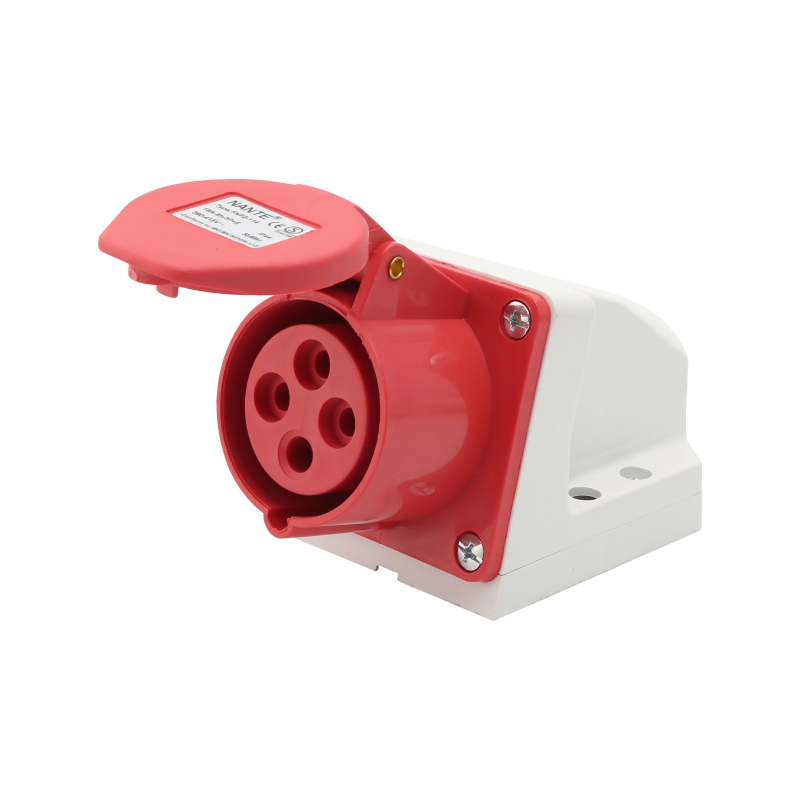
How Can Industrial Multi Plug Sockets Improve Workshop Safety
A busy workshop can have several machines, tools, chargers, lamps, and temporary workstations operating in the same area at once. When power needs grow, electrical connections can quickly become genuinely crowded around a single wall outlet. A suitable socket arrangement helps workers organize those connections while giving procurement teams a genuinely clearer way to manage electrical equipment across the floor.
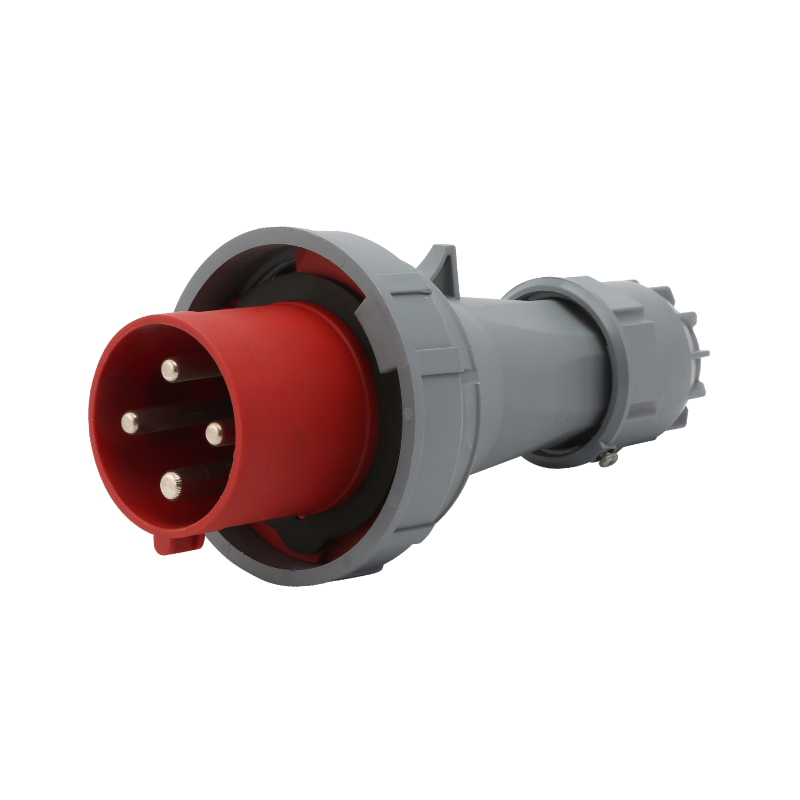
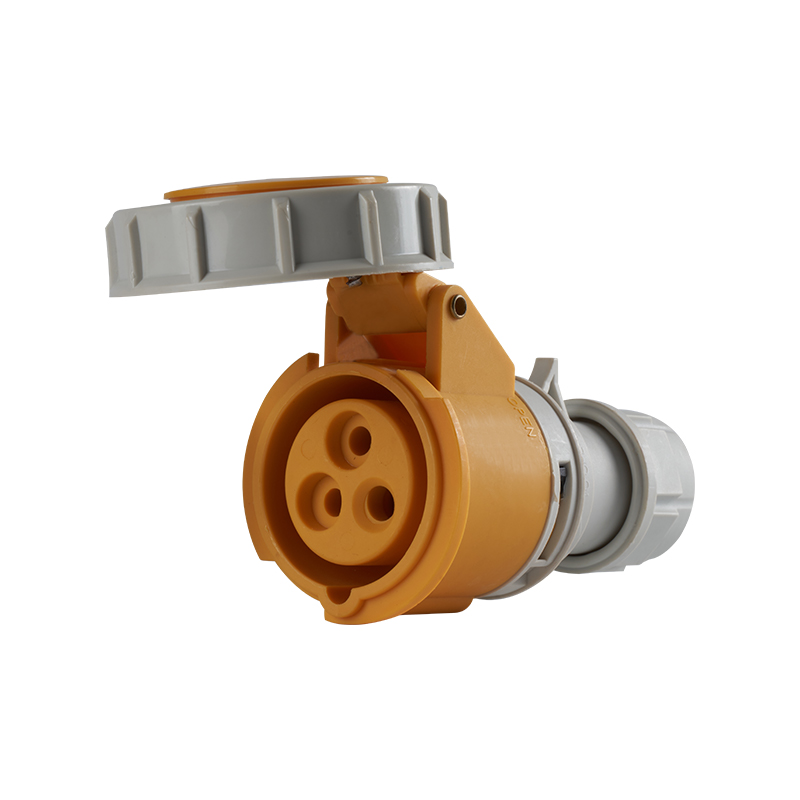
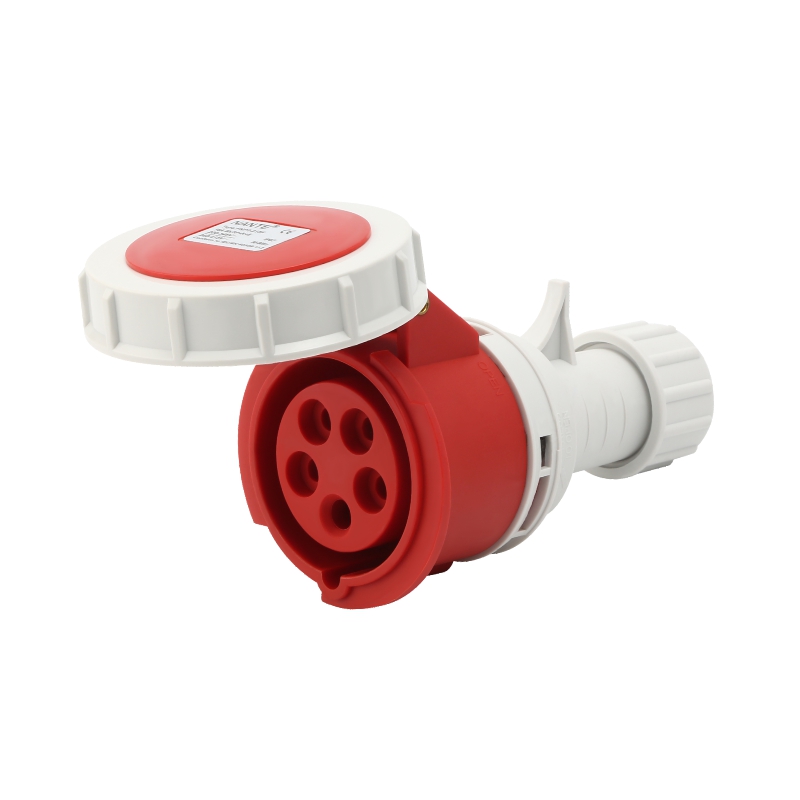
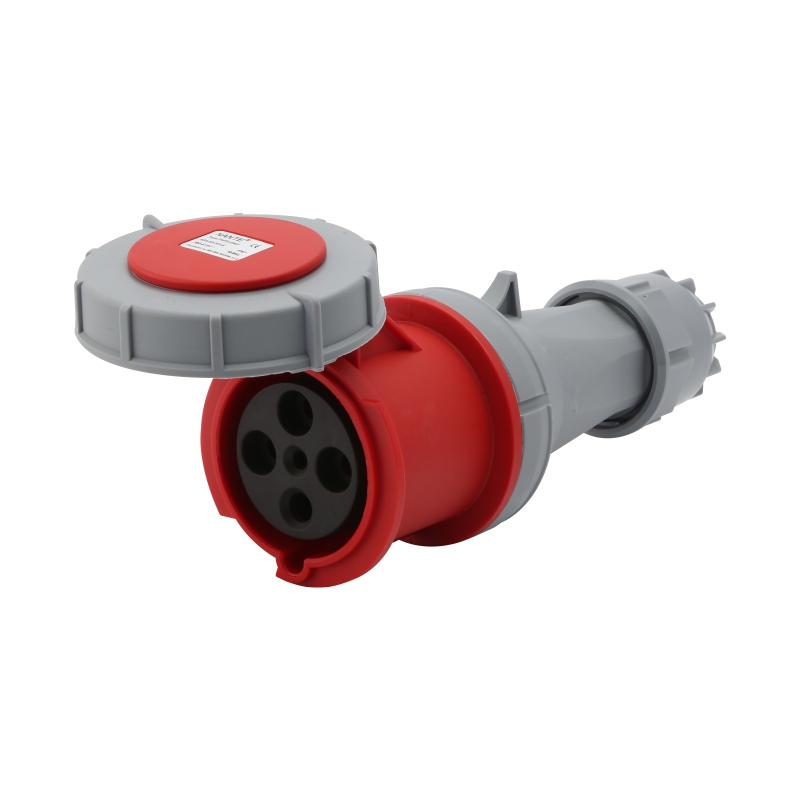
An Industrial Multi Plug can provide several connection points from one power source, while an Industrial Multi Plug Socket can support multiple devices in a shared work area. The actual safety of the setup, however, depends on genuinely more than the number of outlets available on the unit.
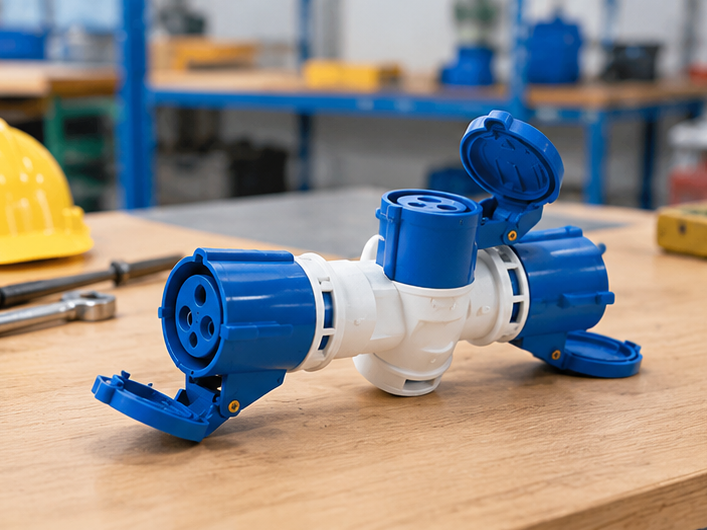
Rated current, overload risk, enclosure protection, terminal materials, wiring, installation conditions, and certification requirements all deserve attention here. These factors become especially important when a business purchases products in bulk for workshops, factories, maintenance areas, or other working environments.
Electrical safety begins with the way equipment is arranged across the floor.
A workshop may contain fixed machinery in one area and portable tools in another, while workers may also move equipment around during maintenance, cleaning, or production tasks throughout a shift.
If sockets are positioned without considering the working environment, cables can cross walkways or become exposed to accidental pulling by a passing cart. Too many devices may also get connected to one power point simply because it's convenient in the moment.
An Industrial Multiple Socket Outlet can help organize several connections in a designated location on a bench. It doesn't remove the need to consider the electrical load or installation conditions surrounding it.
| Workshop Situation | Electrical Consideration |
|---|---|
| Machine area | Keep connections organized |
| Maintenance bench | Provide accessible outlets |
| Tool storage area | Reduce unnecessary cable movement |
| Assembly station | Keep power connections close to equipment |
| Temporary work area | Consider portable connection needs |
A well-planned socket arrangement can reduce unnecessary cable movement and make it genuinely easier for workers to identify where equipment is connected.
Workshops often need several electrical devices within the same working area at once. Moving every tool to a separate wall outlet can create long cables and unnecessary movement around the workspace throughout the day.
An Industrial Multi Plug provides multiple connection points in one location, making it genuinely easier to organize tools and equipment while reducing the need for several separate socket arrangements scattered around. However, having more outlets doesn't mean the power source can safely support unlimited equipment plugged in at once.
The connected load still needs to remain within the appropriate electrical capacity of the circuit and socket system. Procurement teams should therefore consider the expected equipment types before selecting a multi-plug product for a given bench. The number of sockets is only one part of the decision worth weighing.
Rated current describes the electrical load that a product is designed to handle under its intended conditions. It's a genuinely important consideration when choosing an Industrial Multi Socket for workshop use.
Different devices can place genuinely different demands on a power connection. A small hand tool may have very different requirements from a larger electrical machine sitting nearby. If several devices get connected to the same outlet arrangement, their combined demand needs consideration before anything gets plugged in. A socket shouldn't get selected simply because it provides enough physical connection points on its face.
Procurement teams can review expected equipment use alongside combined electrical demand and circuit capacity. Socket configuration matters too, along with plug compatibility and intended operating environment. This helps prevent a common procurement mistake: focusing on outlet quantity while overlooking the electrical load running through it.
Overloading can occur when connected equipment demands more electrical capacity than the circuit or socket arrangement is designed to support. A workshop can make this problem genuinely easier to create because many tools may be operating close to each other on the same circuit. Workers may also add another device to an available socket without checking the existing connections already drawing power.
An Industrial Multiple Socket Outlet can provide convenient access, but convenience shouldn't encourage uncontrolled connection of equipment piling up.
A simple management approach can help here. Identifying the equipment that will normally use the socket comes first, followed by considering the combined electrical demand it represents. Avoiding additional high-demand equipment without checking suitability matters next, along with keeping damaged plugs and cables out of service and inspecting the connection area during routine workplace checks.
Clear labeling and organized equipment placement can also make it genuinely easier for workers to understand which devices share a connection.
Workshops aren't always clean and dry through the workday. Some areas may contain dust, moisture, oil, cleaning fluids, or other substances that can affect electrical equipment sitting nearby. An appropriate enclosure can help protect internal electrical components from this kind of environmental exposure, which is where an IP protection rating becomes relevant.
The required level depends on where the product will get installed or used across the facility. A dry indoor assembly area may have genuinely different needs from a workshop where water or dust is regularly present on the floor.
| Environment | Protection Consideration |
|---|---|
| Dry indoor area | Basic environmental protection may be suitable |
| Dust-prone area | Enclosure protection deserves attention |
| Damp work area | Moisture protection becomes more important |
| Cleaning area | Consider exposure to water |
| Outdoor-related workspace | Environmental conditions require careful review |
Buyers should check the actual protection rating and intended application of a product, rather than assuming every industrial socket provides the same protection out of the box.
The outer housing protects the internal components and provides the physical structure of the socket itself. In a workshop, the housing may face handling, movement, dust, and accidental contact with tools or equipment passing by. Material selection therefore has a direct relationship with how the product fits its working environment day after day.
Flame-retardant housing materials can also get considered as part of an electrical safety strategy. Their purpose is helping limit the behavior of the enclosure when exposed to heat or an electrical fault developing inside.
Housing design should also support practical handling on the job. A socket that's difficult to grip or position may encourage workers to pull on cables, rather than disconnect equipment correctly at the plug. The physical design should therefore work with normal workshop use, not fight against it.
The internal terminals provide the electrical connection between the socket and the connected equipment plugged in. Copper is commonly considered for electrical terminals because it offers suitable electrical conductivity and can be formed into practical connection components reliably.
For industrial products, terminal construction needs to work together with the rest of the socket design as a whole. A suitable terminal alone doesn't determine the safety of the complete product sitting on a bench. The housing, contact arrangement, wiring, insulation, and assembly all have a role to play together.
| Component | Procurement Consideration |
|---|---|
| Copper terminal | Electrical connection |
| Housing | Physical and environmental protection |
| Insulation | Separation of conductive parts |
| Cable | Suitable connection to the intended use |
| Plug contacts | Connection compatibility |
This broader approach can help buyers compare products according to their actual workshop requirements, rather than one spec in isolation.
A multi-socket product relies on internal and external wiring to carry electrical power between the supply and connected equipment plugged in. The wiring needs to match the product's intended electrical use closely. It also needs suitable insulation and physical protection for the working environment surrounding it.
Poorly matched wiring can create unnecessary safety concerns down the line. For this reason, buyers shouldn't judge an Industrial Multi Plug Socket only by its outer appearance sitting on a shelf. The wiring arrangement, conductor material, insulation, connection method, and product documentation all deserve genuine attention before an order gets placed.
For B2B procurement, clear wiring information can also make installation and maintenance planning genuinely easier down the road. The buyer can determine whether the product suits the intended application before placing a larger order across multiple sites.
Some industrial applications require a connection system that goes genuinely beyond a simple single plug and socket pairing. An Industrial Multi Pin Plug and Socket can provide multiple electrical contacts within one connection arrangement, which can prove useful where several electrical circuits or functions need connecting through one organized interface rather than several scattered ones.
The connection needs to match the equipment and intended use closely. Physical compatibility matters because a plug should connect correctly with its corresponding socket without forcing. The contact arrangement should also stay appropriate for the intended electrical application at hand.
A well-matched system can make equipment connection genuinely more organized on the floor. It can also reduce the need for several separate connection points when the application calls for a combined interface instead.
Cable clutter is genuinely more than an appearance problem in a workshop setting. Loose cables can become obstacles around workstations that people trip over. They may also get pulled, bent, crushed, or exposed to contact with tools and moving equipment passing through.
An Industrial Multi Socket can help bring several electrical connections into a defined area on a bench, giving workers a clear location for connecting equipment rather than hunting around. The socket itself doesn't solve every cable-management problem on its own, though. Cable routing, equipment position, storage practices, and floor layout still matter considerably. A good socket arrangement works as part of the wider workshop organization, not as a fix-all.
A maintenance bench, for example, can have a designated electrical connection area, rather than allowing cables to extend from several distant wall outlets scattered around the room.
Electrical products used in commercial or industrial environments may need to meet applicable safety and certification requirements in the target market they're shipping to. These requirements can vary according to the product category, application, and destination involved. Buyers should therefore identify the relevant requirements before purchasing in bulk for a facility.
Certification documentation can provide genuinely useful information about how a product has been assessed before it shipped. B2B buyers may want to confirm applicable product standards alongside certification documents and testing records. Product identification matters too, along with intended market and manufacturer documentation provided with the order.
Certification should get treated as part of product verification, rather than as a replacement for checking the actual application it's going into. A product can have documentation and still be genuinely unsuitable for a particular workshop if its environmental or electrical requirements don't match the installation on site.
Different workshop areas can have genuinely different electrical needs depending on what's happening there. A maintenance bench may require several accessible outlets close at hand. A machine area may require a more organized connection system built around fixed equipment. A storage area may need only occasional electrical access for the odd tool.
The product should reflect the actual use it's serving.
| Work Area | Selection Focus |
|---|---|
| Maintenance bench | Accessible multiple connections |
| Assembly area | Organized workstation power |
| Machine area | Electrical load and compatibility |
| Storage room | Occasional connection needs |
| Repair area | Flexible equipment connection |
This approach can prevent unnecessary purchasing across the board. Instead of selecting the same socket arrangement for every area, procurement teams can classify workspaces according to their equipment and environmental conditions specifically.
B2B procurement involves genuinely more than choosing a product that works in one location alone. A company may need multiple socket products across workshops, maintenance areas, production spaces, or equipment rooms spread across a facility. Consistency can make replacement and maintenance genuinely easier down the line.
Buyers can establish a purchasing checklist covering the main product requirements worth confirming. Application comes first, determining where the sockets will actually get used. Electrical demand matters next, reviewing the equipment expected to connect to it. Environment deserves consideration too, weighing dust, moisture, handling, and exposure at that location.
Connection type should get confirmed for plug and socket compatibility, along with protection covering the enclosure and environmental rating. Documentation needs confirming for relevant certification and product information, and order consistency should ensure repeated purchases follow the same product requirements throughout.
This process can help procurement teams avoid selecting products based only on price or outlet quantity alone. It also makes communication with suppliers genuinely more precise.
Product selection and installation need to work together as one process, not two separate steps. Even a suitable socket can create problems if it's installed in an unsuitable location or connected incorrectly by an untrained hand. Installation should follow the manufacturer's instructions and applicable electrical safety requirements closely.
The physical location deserves attention as well before mounting begins. A socket shouldn't get positioned where it's likely to receive unnecessary impact, become exposed to avoidable moisture, or interfere with normal movement around the bench.
Workers should also have clear access to the connection points without reaching over machinery. Routine inspection can help identify visible damage, loose connections, damaged cables, or other conditions that require attention before they become a bigger issue. Electrical work should be handled by appropriately qualified personnel where required by local rules.
Electrical safety isn't only a purchasing decision made once and forgotten. Workshop conditions change as equipment gets added, removed, or relocated across a busy season. A socket that was suitable for one workstation may no longer match the area after new equipment gets introduced nearby.
Regular review can help identify these changes before they cause a problem. Maintenance teams can check whether connected equipment has changed, whether cables remain in good condition, and whether the socket is still being used within its intended application on the floor.
The physical environment should also get reviewed periodically. Dust, moisture, impact, and repeated handling can gradually affect electrical products sitting exposed on a bench. Keeping the connection area clean and accessible can support routine inspection going forward.
These simple practices make it genuinely easier to identify problems before they become part of normal workshop operation.
An Industrial Multi Plug Socket is one part of a larger workshop electrical system, not the whole picture on its own. Its role is providing organized connection points while matching the electrical and environmental needs of the work area surrounding it.
The selection process can consider rated current, overload risk, enclosure protection, housing material, copper terminals, wiring suitability, connection type, and applicable certification requirements together as one evaluation.
An Industrial Multi Plug may support several devices at a workstation, while an Industrial Multi Socket can help organize equipment connections in a defined area on a bench. An Industrial Multi Pin Plug and Socket can provide a combined connection arrangement where multiple contacts are needed for a specific application.
For procurement teams, the practical question isn't simply how many devices a socket can connect at once. It's whether the product, installation, connected equipment, and workshop environment work together in a controlled and genuinely suitable way.
 +86-577-62731897
 shireen@nante.com
 No.688 chezhan Road, Liushi town, Wenzhou, China
Copyright © 2024 Fly-Dragon Electrical Co., Ltd. All Rights Reserved.
 浙公网安备33038202003041号
 Privacy
Outdoor Socket Box Factory & Outdoor Electrical Distribution Panel Factory



 English
 Español
 Português
 Deutsch