Why Is Product Design Important for MCB Distribution Boards
An MCB Distribution Board may look like a simple enclosure from the outside.
Inside, however, it has an important role in organizing electrical distribution within a building or other application.
The way a distribution board is designed affects how its internal components are arranged, how circuits are managed, and how the product fits into an installation environment. A well-planned design is not only about appearance. It is connected with usability, organization, maintenance, installation, and the needs of the project.
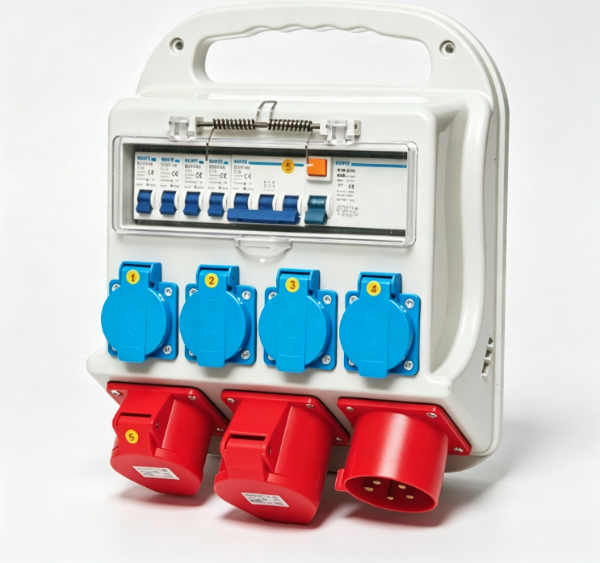
This has made product design an important part of MCB Distribution Board manufacturing.
For buyers, choosing a distribution board is therefore more than comparing the appearance of different enclosures. The internal arrangement, available space, access, labeling, and overall structure can all influence how practical the product is for a particular application.
Product design determines how the distribution board brings different functions together.
An MCB Distribution Board normally needs to accommodate several electrical components within a single organized enclosure. These components need to be arranged in a way that supports the intended electrical installation.
Poor planning can make the interior crowded. It may also make installation and later maintenance less convenient. A thoughtful design can create a clearer relationship between the enclosure, internal components, wiring space, and access points.
This is especially important because distribution boards are often part of a larger electrical system. They need to fit the available installation space while also supporting the way the system is organized.
Product design can influence several areas:
| Design Area | Why It Matters |
|---|---|
| Internal layout | Helps organize components and connections |
| Enclosure structure | Determines how the board fits into its installation location |
| Access | Supports installation, inspection, and maintenance |
| Labeling space | Helps users identify different circuits |
| Wiring arrangement | Supports a more organized internal structure |
| Appearance | Allows the board to fit the surrounding environment |
| Mounting design | Helps the product integrate with the intended installation |
These areas are connected. A change in one part of the design may affect another.
For this reason, MCB Distribution Board design should be considered as a complete product rather than a collection of separate features.
The internal layout is one of the important parts of product design.
An MCB Distribution Board needs to provide a suitable place for its internal components while leaving enough room for connections and organization. If the arrangement is difficult to understand, installation may take more effort.
A clear layout can make the relationship between different components easier to follow. It can also make the board easier to inspect when maintenance is required.
The layout should reflect the way the board is expected to be used.
For example, a board intended for a relatively simple residential installation may have different layout needs from one designed for a larger commercial environment. The number and type of circuits can vary, and the available installation space can also be different.
This means manufacturers need to think about the application before developing a product.
A practical design process may consider:
The goal is not simply to place components inside a box. The goal is to create an organized structure that supports the way the board will actually be used.
Space is closely connected with product usability.
An MCB Distribution Board needs to make effective use of its internal and external space. The enclosure has to fit into the intended installation area while providing room for the necessary components.
If the external structure is too large for the available location, installation may become difficult. If the internal area is poorly organized, the product may be harder to work with.
Space planning therefore involves more than physical size.
It includes the relationship between:
A good design considers how these elements interact.
The cover or door, for example, should work naturally with the internal arrangement. Access should not be treated as an afterthought. Users may need to inspect or work with the board after it has already been installed.
This is why designers often consider the entire user experience when developing an MCB Distribution Board.
The product should make sense when viewed from the outside and when accessed from the inside.
Installation is a practical part of an MCB Distribution Board's life. The product must move from the factory to the installation site and then become part of a larger electrical system.
Design can make this process easier to manage.
A board with a clear structure allows installers to understand where different components and connections belong. This can help reduce unnecessary adjustments during installation.
Maintenance is another consideration.
Electrical installations may need to be checked, adjusted, or repaired during their service life. When the internal layout is clear, maintenance personnel can identify components more easily.
This does not mean that every board needs the same design. Different applications create different needs.
A manufacturer may therefore develop different product structures for residential, commercial, industrial, or other environments.
| Project Need | Design Consideration |
|---|---|
| Limited installation space | Compact and organized enclosure structure |
| More circuits | Greater attention to internal arrangement |
| Frequent access | Practical cover or door design |
| Complex identification | Clear labeling area |
| Different installation environments | Adaptable product structure |
| Regular maintenance | Accessible and understandable internal layout |
The design should reflect the actual working environment rather than rely on a single approach for every project.
Product design is closely related to how an MCB Distribution Board is organized and handled.
An organized internal structure can make it easier for users to understand the distribution arrangement. Clear identification can also help distinguish different circuits during normal use and maintenance.
The enclosure itself has a role in keeping internal electrical components organized and separated from the surrounding environment.
For manufacturers, this means product design needs to consider both the physical structure and the way people interact with the product.
A distribution board may be opened by an installer during installation and accessed again during later maintenance. The design should therefore provide a clear relationship between the external enclosure and the internal arrangement.
Labeling is another simple but important consideration.
When different circuits are clearly identified, users can understand the function of each part more easily. A suitable space for labels can therefore be useful even though it may appear to be a small design detail.
Small decisions can influence the overall usability of the board.
Not every electrical project has the same requirements.
Residential buildings may need distribution boards that fit into limited spaces and blend into interior environments. Commercial projects may require a different arrangement because there can be more circuits and different installation conditions.
Industrial environments can create another set of design considerations. The surrounding space, access requirements, and equipment arrangement may differ from those found in homes or offices.
This creates a need for product variety.
| Application | Possible Design Focus |
|---|---|
| Residential | Space use, appearance, accessibility |
| Commercial | Organization, identification, installation flexibility |
| Industrial | Internal arrangement, access, practical structure |
| Public buildings | Clear identification and coordinated installation |
| Renovation projects | Compatibility with existing installation spaces |
These categories are not strict boundaries. A single project may have several requirements at the same time.
This is why buyers often need to explain the intended application when communicating with an MCB Distribution Board manufacturer.
The more clearly the manufacturer understands the project, the easier it becomes to discuss the appropriate product structure.
Different projects can require different product arrangements. Customization can help manufacturers respond to these differences.
A customized MCB Distribution Board may involve changes to the enclosure structure, internal layout, labeling area, mounting arrangement, or appearance.
However, customization should begin with the actual project need.
A buyer may need a different arrangement because of limited installation space. Another project may require a particular internal organization because of the way its circuits are managed.
Rather than focusing only on visual changes, buyers and manufacturers can discuss the complete application.
Useful information may include:
This communication can help turn a general product into a design that better fits a specific application.
For manufacturers, customization also requires coordination between design, production, inspection, and packaging. A change made at the design stage can affect later production activities.
That is why product development and manufacturing should not be treated as completely separate processes.
Buyers can look beyond the exterior appearance when comparing different MCB Distribution Boards.
A product may look similar to another board from the outside while having a very different internal structure. The practical differences may become clear only during installation or maintenance.
A structured evaluation can make comparison easier.
Internal organization: Is the arrangement clear and easy to understand?
Installation: Does the enclosure fit the intended installation environment?
Access: Can installers and maintenance personnel reach the necessary areas conveniently?
Identification: Is there suitable space for labels and circuit information?
Flexibility: Can the design support the needs of the intended project?
Communication: Can the manufacturer explain the product structure and discuss project-specific requirements clearly?
Production support: Can the manufacturer maintain communication between design and manufacturing when changes are required?
These questions shift the focus from appearance to practical use.
For B2B buyers, this can be especially useful because an MCB Distribution Board is rarely purchased as an isolated decorative product. It normally becomes part of a larger electrical installation.
The relationship between product design and the project environment therefore deserves attention from the beginning of the purchasing process.
A manufacturer that understands this relationship can discuss more than enclosure appearance. The conversation can include internal organization, installation conditions, access, labeling, customization, and production coordination.
For buyers, understanding these design factors can make product comparisons more meaningful and help connect the selected MCB Distribution Board with the actual needs of the electrical project.
 +86-577-62731897
 shireen@nante.com
 No.688 chezhan Road, Liushi town, Wenzhou, China
Copyright © 2024 Fly-Dragon Electrical Co., Ltd. All Rights Reserved.
 浙公网安备33038202003041号
 Privacy
Outdoor Socket Box Factory & Outdoor Electrical Distribution Panel Factory



 English
 Español
 Português
 Deutsch