How Can Industrial Multi Plug Systems Simplify Power Layouts
Industrial work areas rarely stay static for long. A workshop may begin with a few machines and gradually add inspection tools, lighting equipment, chargers, control devices, and portable equipment over months of growth. As the number of electrical devices grows, the location of each power point becomes genuinely part of the wider workspace layout, not an afterthought.
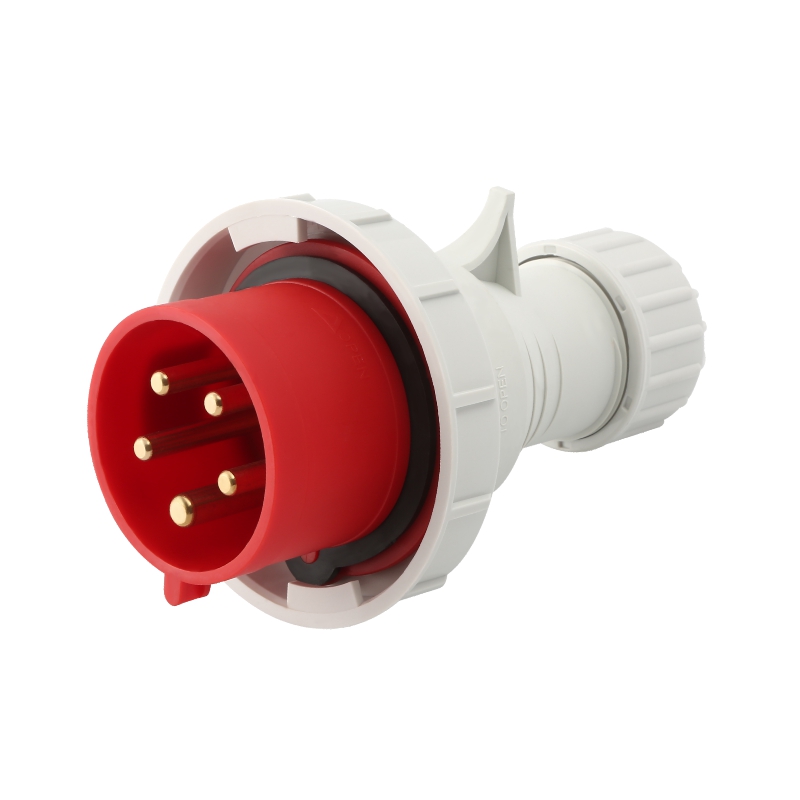
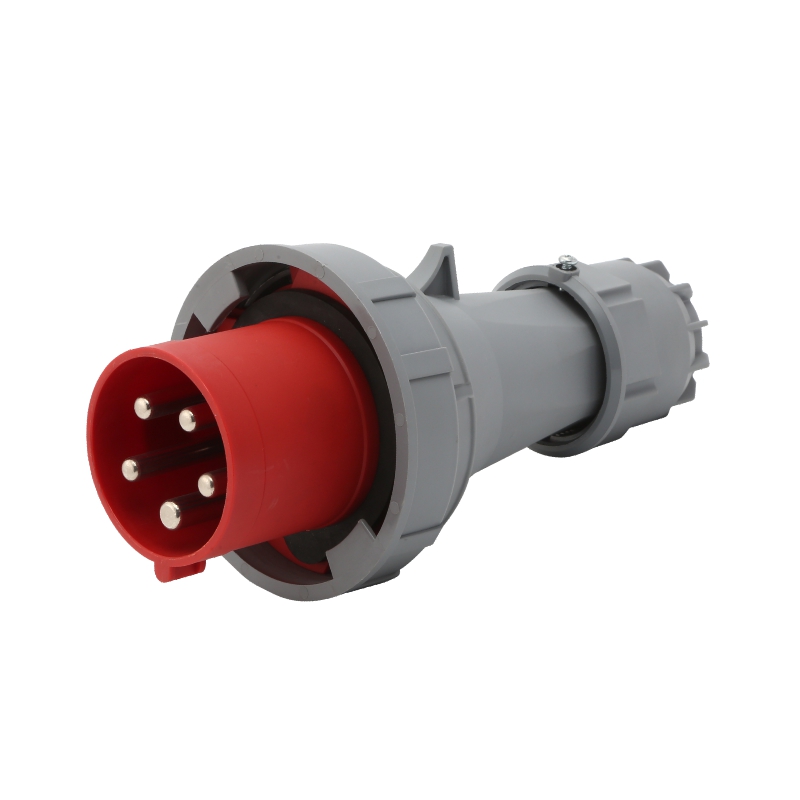
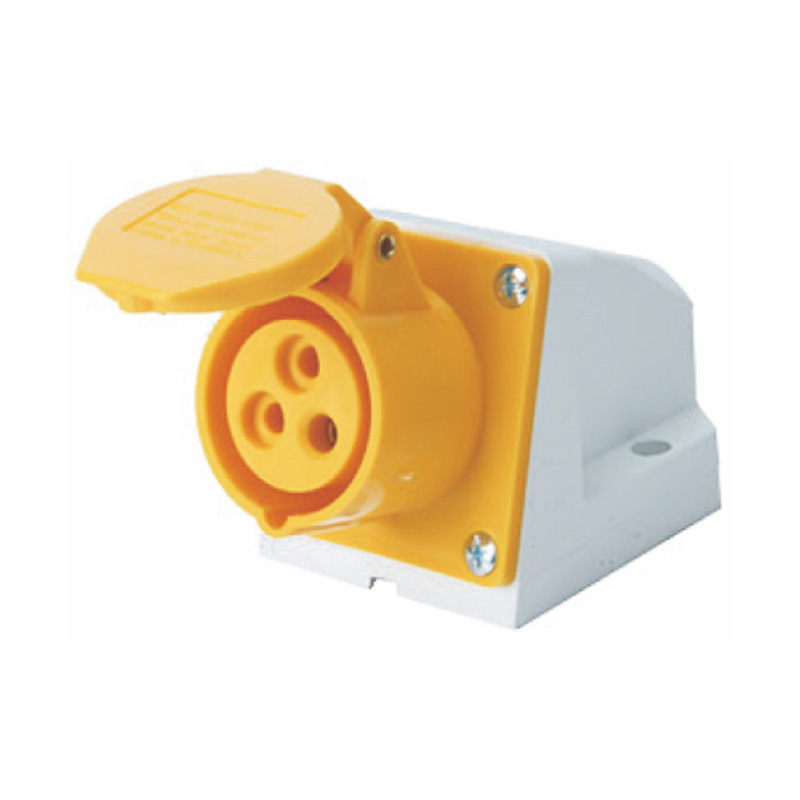
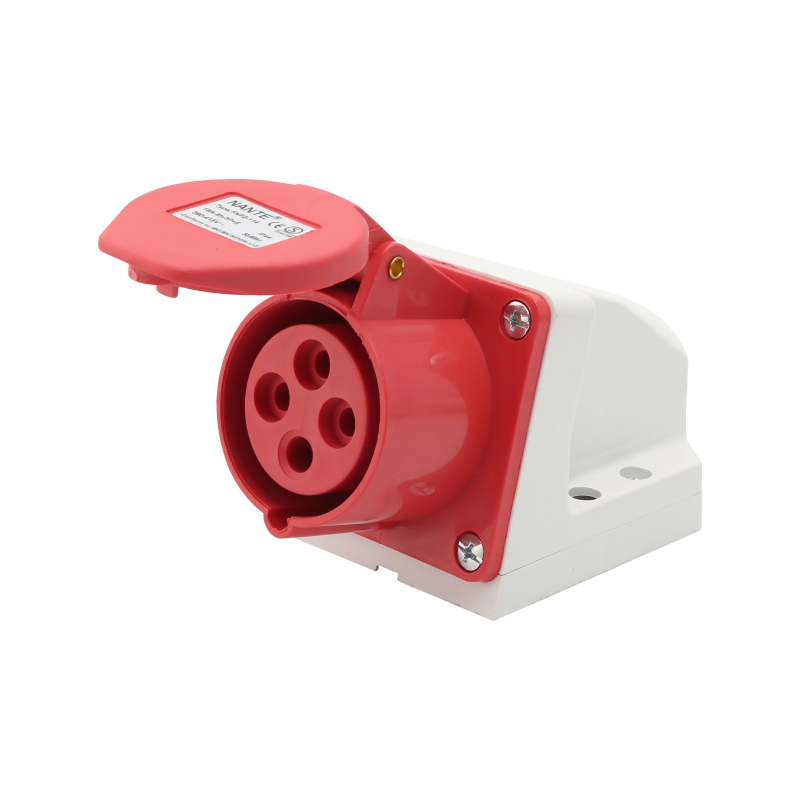
An Industrial Multi Plug can provide several connection points in one organized location on a bench. Instead of placing a separate power point beside every device, a suitable multi-connection arrangement can bring several equipment connections closer to the area where they're actually needed.
The benefit isn't simply having more sockets available. The bigger question is how those connection points fit the movement of equipment, the position of workstations, the length and direction of cables, and the way workers use the space throughout a shift.

A small workshop can often manage electrical connections without much planning involved. As more equipment enters the same area, however, existing power points may become genuinely harder to use efficiently over time. A machine may occupy one section of the floor while testing equipment sits nearby, and portable tools may move between workstations while charging equipment needs to remain accessible throughout the day.
If each device depends on a separate distant outlet, cables can begin to cross the same paths, creating a layout problem rather than simply a socket problem.
| Equipment Situation | Layout Challenge |
|---|---|
| Several tools at one bench | Multiple nearby connections |
| Mobile equipment | Flexible access to power |
| Fixed machinery | Stable connection location |
| Shared workstation | Several users needing access |
| Equipment expansion | Additional connection planning |
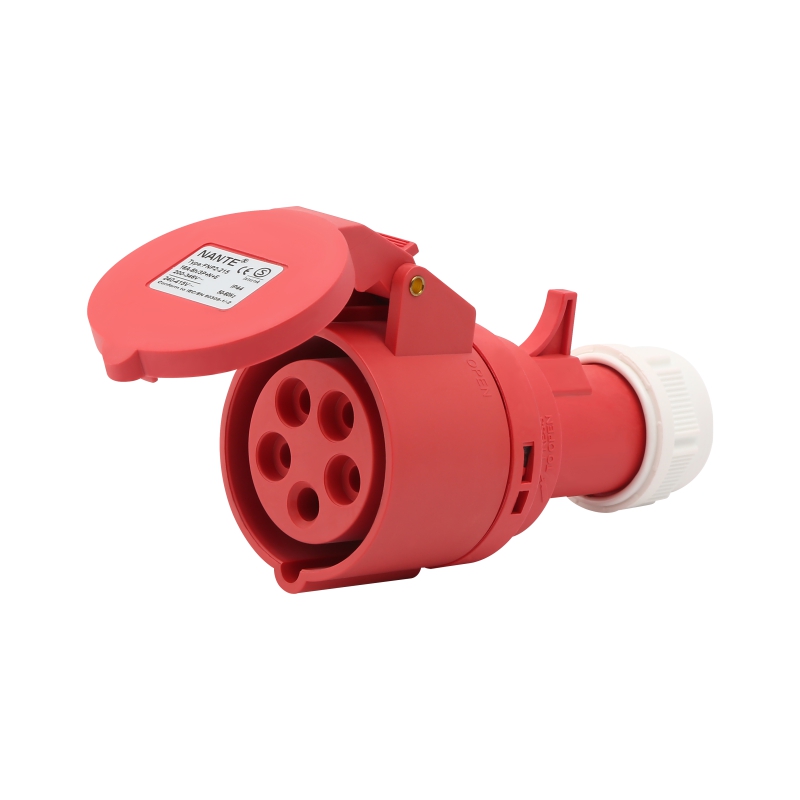
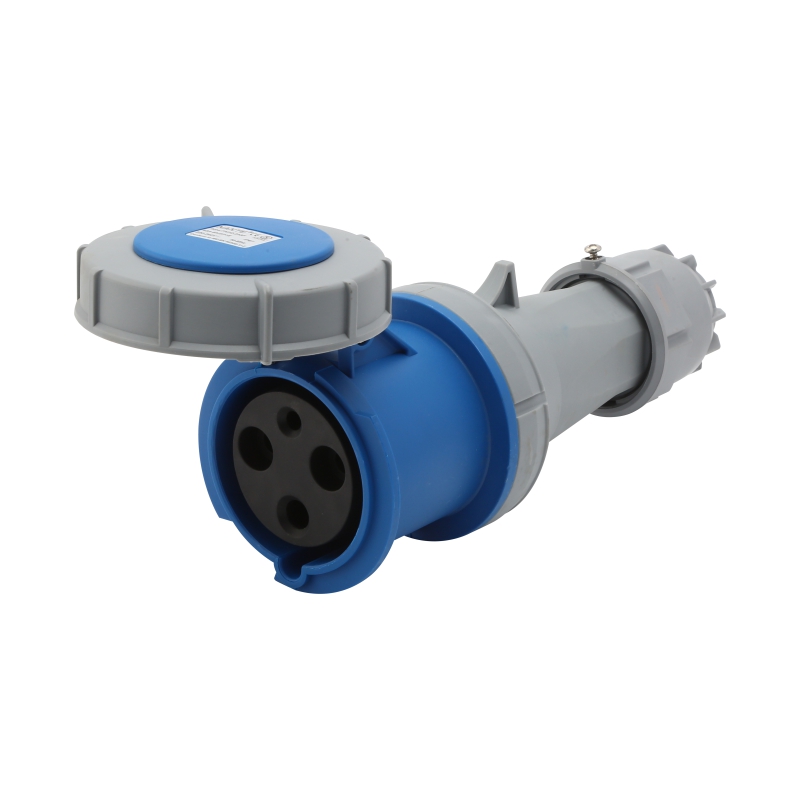
An Industrial Multi Socket can help bring several connections into a defined area, allowing the power layout to follow the way equipment is actually arranged on the floor.
A workstation often contains genuinely more equipment than is obvious at a glance across the bench. A worker may use a tool, inspection device, task light, charger, and small electrical accessory during the same work period without thinking twice about it. If each item connects to a different wall outlet, the workstation can become genuinely difficult to manage.
An Industrial Multi Plug provides a shared connection point for equipment operating within the same working area. The socket arrangement can get positioned where users can reach it without repeatedly moving cables across the workspace. The layout can then follow a simple pattern, moving from the power source to a shared connection point, then out to the workstation equipment itself.
This doesn't mean every device should get connected to one outlet arrangement without checking suitability first. The electrical requirements of the connected equipment still need consideration before anything gets plugged in. The value comes from organizing connections around actual equipment locations, not scattering them randomly.
Power supply planning becomes genuinely easier when equipment locations get considered before the final workspace arrangement is established. A factory or workshop may have several distinct areas, such as production benches, inspection stations, maintenance zones, storage areas, and equipment rooms, and each area can have a genuinely different pattern of electrical use throughout the day.
A power point located close to the equipment it serves can reduce unnecessary cable movement across the floor. A poorly positioned point may force workers to route cables around furniture, machinery, or walkways instead.
| Area | Power Layout Consideration |
|---|---|
| Production bench | Several nearby devices |
| Inspection station | Equipment grouped around one work area |
| Maintenance zone | Portable tools and service equipment |
| Charging area | Multiple devices requiring access |
| Storage area | Occasional equipment use |
An Industrial Multiple Socket Outlet can prove useful where several devices need power within the same defined area, though the layout should still leave enough room for normal work and movement around it.
Equipment is often arranged in groups because workers need to use related devices together during a task. A production bench may contain several small machines or tools clustered together. An inspection station may include multiple instruments side by side. A repair area may have portable tools, lighting, and charging equipment within reach of the same worker at once.
An Industrial Multi Plug Socket can support this clustered approach by creating a shared connection location. Instead of thinking about each piece of equipment separately, the planner can look at the group as a whole, considering main equipment alongside inspection device, task lighting, portable tool, and charger together as one unit.
The connection point can then get planned around the group, rather than around each item individually, making the electrical layout genuinely easier to understand when equipment gets moved or replaced later.
A power layout only works smoothly when the plugs and sockets used by the equipment stay genuinely compatible with each other. Industrial equipment can have genuinely different connection arrangements depending on its application and operating environment. A multi-socket system therefore needs to match the equipment that will actually get connected to it.
Physical fit is one consideration here, while electrical suitability and intended use also matter considerably. A suitable layout may include different connection points for different equipment groups, rather than attempting to make one socket arrangement serve every device on the floor.
| Equipment Requirement | Matching Consideration |
|---|---|
| Portable tool | Suitable plug connection |
| Fixed machine | Appropriate connection point |
| Inspection equipment | Accessible socket position |
| Charging equipment | Convenient connection location |
| Specialized equipment | Compatible plug and socket system |
This proves particularly important during renovation or equipment replacement projects. A new machine may have a genuinely different plug arrangement from the equipment it replaces. Power planning should therefore allow for changes, rather than assuming every future device will use the same connection.
Cable movement is genuinely strongly influenced by where the power point sits on the floor. When an outlet sits far from the workstation, a cable may need to pass across a bench, around equipment, or along the floor entirely, and repeated movement can make the workspace feel genuinely less organized over time.
An Industrial Multi Socket can bring several connection points closer to the equipment cluster instead. The result isn't simply shorter cables in every situation. Instead, it creates more flexibility in deciding where each cable begins and how it travels toward the equipment it serves.
A well-arranged workstation can separate three areas clearly: the power area, the equipment area, and the worker movement area. Keeping these areas understandable makes the workspace genuinely easier to manage day to day. Cable routing should also avoid interfering with access to machinery, storage, and emergency paths.
Not every industrial workstation remains in the same position for long. A maintenance bench may get moved to a new spot. A production line may get reorganized entirely. Portable equipment may shift between rooms, and temporary work areas may also appear during repairs or changes in production.
An Industrial Multiple Socket Outlet can provide several connection points within a defined location, giving workers genuinely more flexibility when equipment positions change around them. This proves useful when several devices are used in one area but don't remain in exactly the same position throughout the day.
The socket arrangement becomes part of the workspace infrastructure itself. Instead of planning one connection for one fixed device, the area can provide access for a group of equipment moving through it.
Some equipment arrangements involve several electrical connections that need managing together as one unit. An Industrial Multi Pin Plug and Socket can provide a combined connection arrangement where multiple contacts are needed within one interface, reducing the number of separate connection points between certain equipment groups on the floor.
The key is matching the connection system with the actual equipment arrangement in place. A combined plug and socket shouldn't get selected simply because it contains several connection points on paper. The equipment, installation environment, and intended use all need genuine consideration before ordering.
For industrial planners, the value lies in creating a genuinely more organized connection between related equipment, particularly useful where equipment gets regularly connected, disconnected, relocated, or serviced throughout its working life.
Equipment expansion is genuinely common in industrial spaces over time. A workshop may add another workstation without changing the entire building layout around it. A production area may introduce new inspection equipment mid-year. A maintenance room may gradually collect additional tools and charging devices without anyone planning for it upfront.
If the original power layout leaves no room for change, every new device can create another cable-management problem down the line. A flexible approach allows additional equipment to fit into an existing connection strategy instead.
Planning can identify current equipment groups first, then map the location of existing power points already installed. Identifying areas where equipment may get added comes next, along with allowing space around shared connection points and checking plug and socket compatibility before new equipment arrives on the floor.
This approach can reduce the need to redesign the entire power arrangement whenever the equipment list changes.
Industrial electrical layouts aren't only about equipment sitting in place. Workers move around machines, benches, storage areas, inspection stations, and maintenance spaces throughout an entire shift. A power point that looks convenient on a floor plan may prove genuinely awkward once normal movement gets considered.
A socket placed behind a machine, for example, may be difficult to reach without contorting. A connection positioned beside a busy walkway may encourage cables to cross the path repeatedly. Power planning should therefore consider both equipment position and worker movement together.
| Layout Element | Worker Consideration |
|---|---|
| Socket location | Can it be reached without awkward movement? |
| Cable path | Does it interfere with normal work? |
| Equipment position | Can devices remain accessible? |
| Workstation access | Can workers move naturally? |
| Maintenance space | Can equipment be serviced without disturbing connections? |
An Industrial Multi Plug Socket can help when its position gets chosen according to these genuinely practical conditions on the floor.
Maintenance areas often have a genuinely changing collection of equipment moving through them. A technician may use different tools for different jobs each day. Chargers, inspection devices, lamps, portable machines, and service equipment may all be needed within the same work area at once.
A fixed single-outlet arrangement can make this genuinely difficult when several devices need power at the same time. An Industrial Multi Plug can provide a shared connection area for frequently used equipment instead.
The layout can also make maintenance work genuinely easier to organize. Tools can remain near the workbench, while the connection point stays in a predictable location nearby. This doesn't eliminate the need to inspect cables and electrical equipment before use. It simply gives the work area a more structured way to manage connections day to day.
Equipment relocation can genuinely change the relationship between machines and power points over time. A device may move to another side of the workshop because the production process changes. A workbench may get replaced by a larger unit. A machine may get removed and replaced with another type of equipment entirely.
A rigid power layout can make these changes genuinely inconvenient when they happen. A more adaptable arrangement allows connection points to support equipment groups, rather than individual pieces of machinery tied to one spot.
An Industrial Multi Socket can contribute to this flexibility when the product and installation suit the application at hand. The important point is planning around the expected movement of the workspace over its life.
Modern workshops often contain equipment that needs regular charging throughout the week. Portable inspection devices, rechargeable tools, maintenance equipment, and other mobile products may all need access to electrical power on a rotating basis.
If every charging device uses a separate distant outlet, the charging area can become genuinely difficult to organize. An Industrial Multiple Socket Outlet can provide several connection points in one designated charging area instead, creating a clear place for charging equipment rather than allowing chargers to spread across unrelated workstations.
The area can get organized around a charging point, then equipment storage, then the working area beyond it. This arrangement can also make it genuinely easier for workers to return charging equipment to the same location after use, rather than leaving it wherever convenient.
Not every device needs the same connection arrangement on the floor. Large fixed equipment may require a dedicated connection of its own. Small portable tools may share a workstation connection area instead. Inspection devices may need accessible outlets close to the operator handling them.
Treating every device the same can make the layout genuinely harder to manage over time. A practical approach divides equipment into groups instead.
| Equipment Group | Possible Layout Approach |
|---|---|
| Fixed machinery | Dedicated connection area |
| Portable tools | Shared workstation connections |
| Inspection devices | Accessible local sockets |
| Charging equipment | Organized charging station |
| Temporary equipment | Flexible connection area |
An Industrial Multi Plug Socket can then get used where shared access makes sense, while other equipment can retain its own connection arrangement separately. This creates a genuinely more balanced electrical layout across the facility.
B2B buyers often need to source electrical connection products for several work areas at the same time, not just one bench. The purchasing decision should therefore consider the entire application, rather than one product feature in isolation.
Useful questions include how many equipment groups need shared power access, and where the connection points will get located across the facility. Which plug types the equipment uses matters too, along with whether equipment positions will change over time. Whether separate areas exist for maintenance and production deserves asking, along with which locations need multiple outlets and whether the products suit the intended environment. What documentation is needed for the target market rounds out the checklist.
These questions help procurement teams communicate genuinely practical requirements to suppliers. They also make it genuinely easier to distinguish between a product that simply provides several sockets and one that fits the planned workspace properly.
Industrial buyers may need several product configurations because different areas have genuinely different connection requirements from one another. A supplier can support this process by providing clear product information, compatible connection options, and consistent identification across different product types shipped.
An Industrial Multi Plug, for example, may suit a shared workstation, while an Industrial Multi Pin Plug and Socket may suit a combined equipment connection instead. An Industrial Multiple Socket Outlet can get considered for areas where several devices need convenient access to power at once.
Clear communication proves particularly useful when the buyer is planning a larger facility or several work areas spread across a site. The supplier needs to understand the intended application, rather than simply the requested product name off a list.
Equipment expansion becomes genuinely easier to manage when power access gets considered as part of the workspace layout from the start. A workshop can identify equipment groups, determine where workers need access, and organize connection points around those areas accordingly. This makes it genuinely easier to introduce new tools or devices without creating an entirely different cable arrangement each time.
An Industrial Multi Socket can provide shared access where several devices operate within one area. An Industrial Multi Plug Socket can support grouped equipment connections, while an Industrial Multi Plug can provide a convenient connection point for portable devices where suitable for the task.
The result is a workspace where power access follows equipment use, worker movement, and changing layouts, instead of getting treated as an isolated electrical detail bolted on afterward.
 +86-577-62731897
 shireen@nante.com
 No.688 chezhan Road, Liushi town, Wenzhou, China
Copyright © 2024 Fly-Dragon Electrical Co., Ltd. All Rights Reserved.
 浙公网安备33038202003041号
 Privacy
Outdoor Socket Box Factory & Outdoor Electrical Distribution Panel Factory



 English
 Español
 Português
 Deutsch