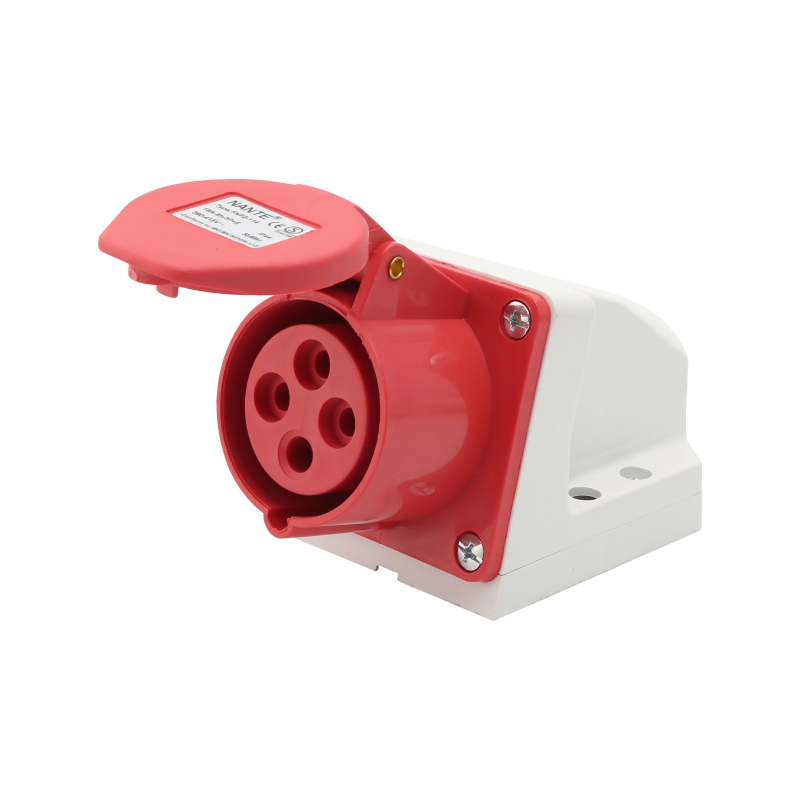
How Do Plastic Waterproof Industrial Multi Plug Box Help Prevent Electrical Hazards
 Home / News / Industry News / How Do Plastic Waterproof Industrial Multi Plug Box Help Prevent Electrical Hazards
 Electrical systems are part of daily work in many environments. From construction sites to workshops and outdoor installations, power access is essential. At the same time, it introduces risk. Moisture, dust, and accidental contact can all turn a simple connection into a safety concern. This is where waterproof plug boxes come into focus.
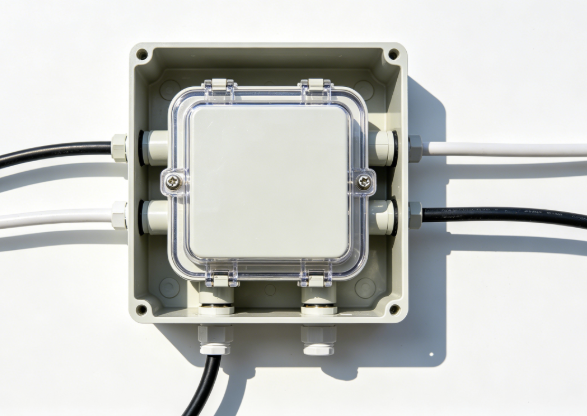
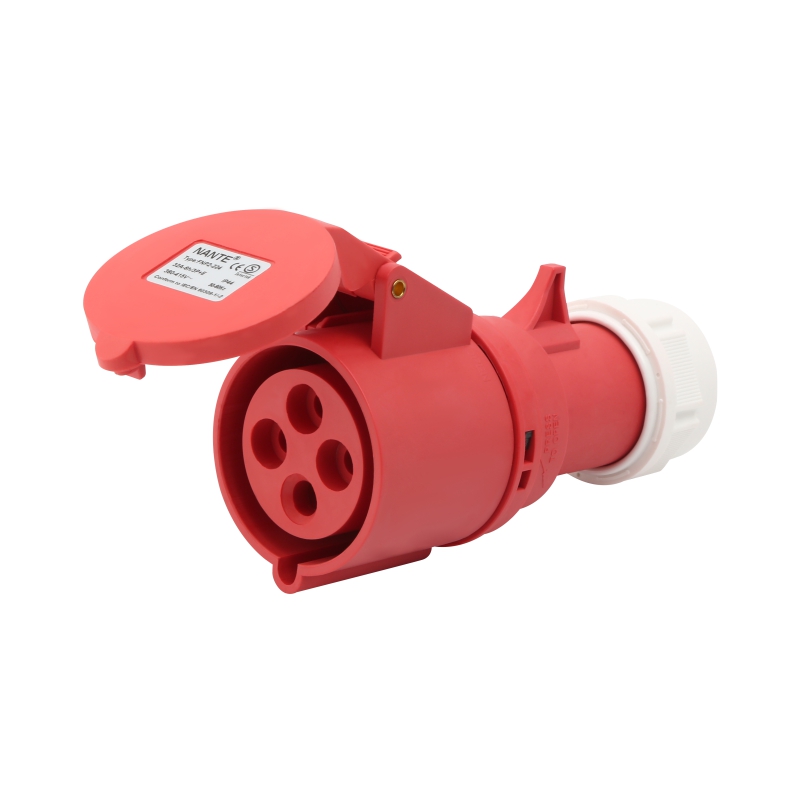
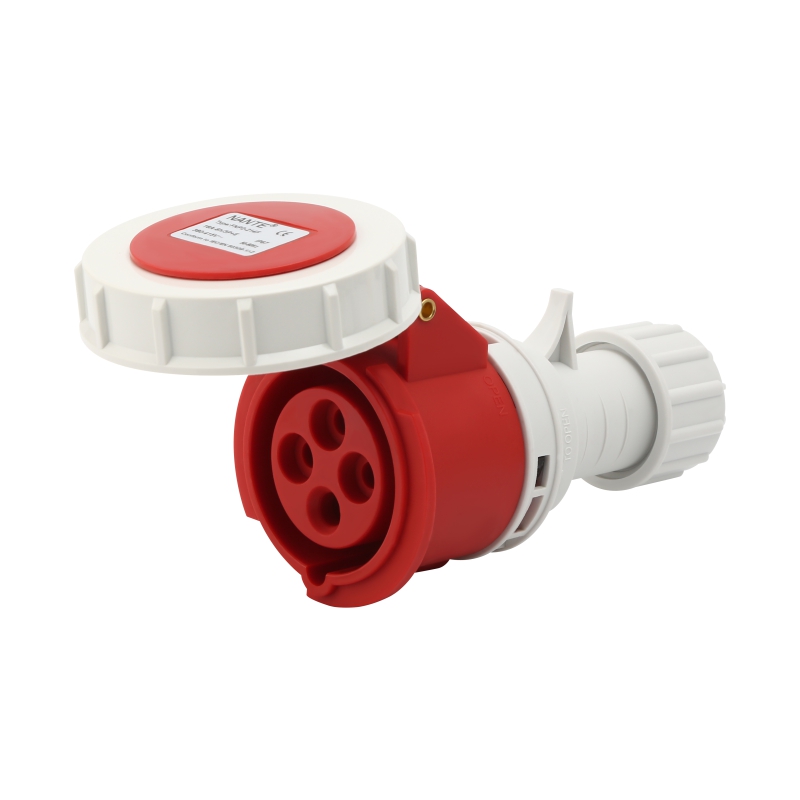
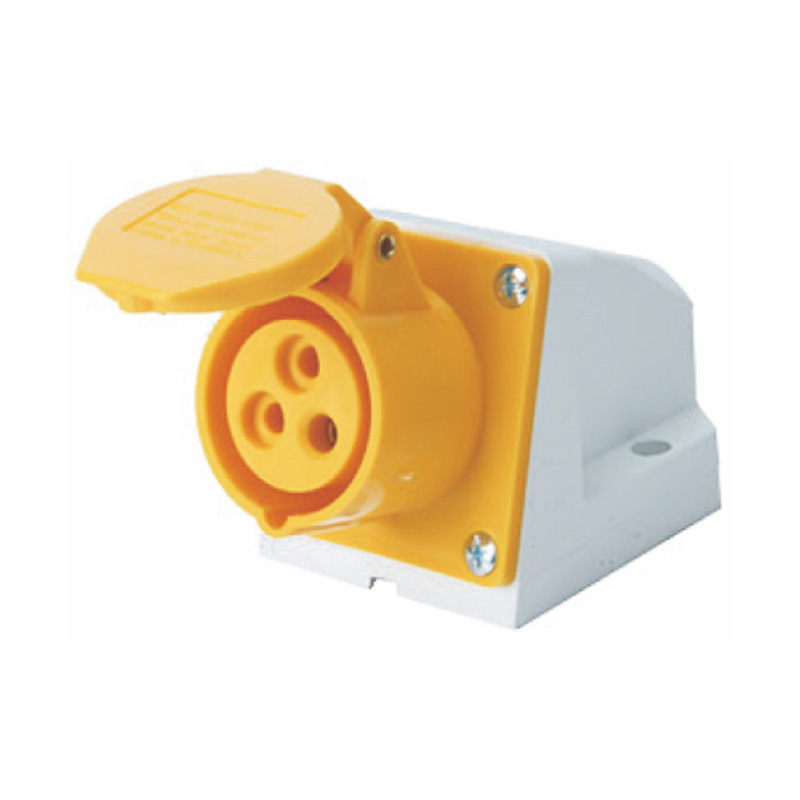
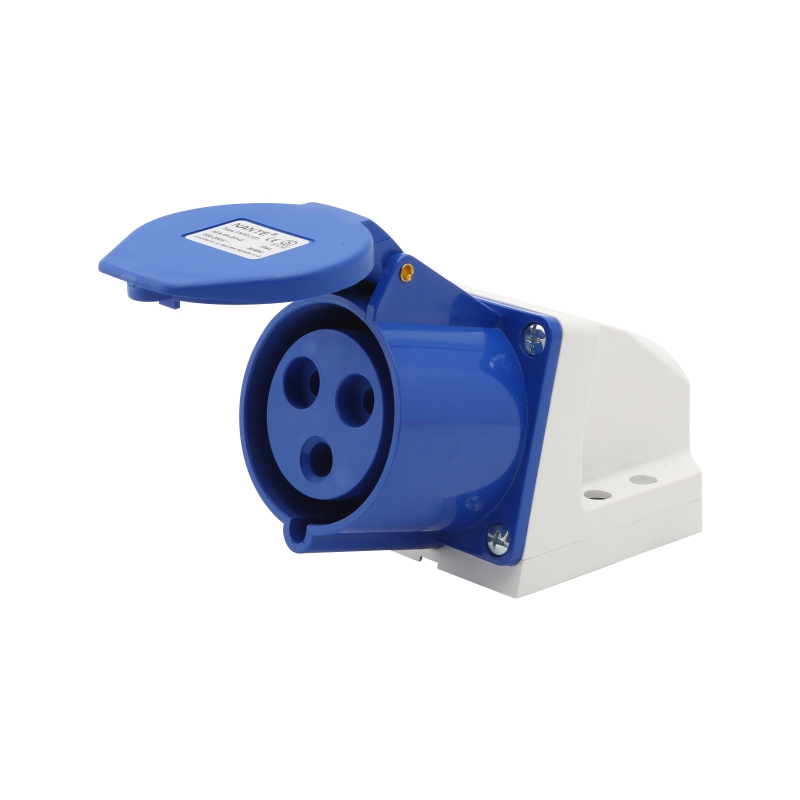
These enclosures are designed to protect electrical connections from external factors. They are not complex in appearance, yet their role is practical and direct. By isolating plugs and sockets from the surrounding environment, they help reduce situations that may to electrical hazards.
The growing attention around workplace safety has brought these products into everyday discussion. They are no longer seen as optional accessories. Instead, they are becoming part of basic planning in spaces where electricity and environmental exposure meet.
Electrical hazards are not limited to conditions. Many arise from routine activities. Water spills, dust accumulation, and loose connections are common examples. Over time, these small factors can Find to larger issues.
Moisture is one of the frequent causes of electrical problems. When water reaches exposed connections, it can create unintended pathways for current. This may result in short circuits or unexpected equipment behavior.
Dust and debris can also interfere with connections. Fine particles may settle into sockets, affecting contact quality. In some cases, they may contribute to overheating.
Physical contact is another factor. In busy environments, cables are often moved, stepped on, or pulled. This can loosen plugs or expose wiring. Without protection, these situations increase the chance of electrical incidents.
Waterproof plug boxes address these risks by creating a controlled space around the connection.
Water and electricity do not mix well. Even small amounts of moisture can change how a system behaves. When water enters a connection point, it can reduce insulation and allow current to travel in unintended ways.
In outdoor settings, rain is an obvious concern. In indoor environments, the source may be less visible. Cleaning processes, condensation, or accidental spills can all introduce moisture.
Waterproof plug boxes act as a barrier. They prevent water from reaching the connection. This simple separation reduces the chance of short circuits and helps maintain stable operation.
The design often includes sealed edges and secure closures. These features keep the internal space dry, even when the surrounding area is exposed to moisture.
A stable connection requires more than just a plug and socket. It needs protection from movement, exposure, and interference. Waterproof plug boxes provide this by enclosing the connection within a defined space.
Inside the box, plugs remain fixed. This reduces the risk of accidental disconnection. It also limits the movement that can weaken contact points over time.
The enclosure keeps external elements out. At the same time, it organizes cables in a way that reduces clutter. A more organized setup makes it easier to identify issues before they become serious.
The result is not only improved safety but also a more predictable electrical setup. Workers can rely on connections that are less affected by surrounding conditions.
Material choice affects how a product performs in real conditions. Waterproof plug boxes are often made from durable plastics. These materials do not conduct electricity, which adds a layer of safety.
They also resist environmental stress. Exposure to moisture or temperature changes does not easily alter their structure. This helps maintain the protective function over time.
Unlike metal enclosures, plastic does not introduce additional pathways for current. This reduces the chance of accidental conduction through the housing.
The material also allows for lightweight construction. This makes installation and repositioning easier without compromising protection.
Dust is often overlooked. It builds slowly and may not seem harmful at first. However, in electrical systems, it can affect performance.
Particles can settle inside open sockets. Over time, this may interfere with the connection. In some cases, it can contribute to heat buildup.
Waterproof plug boxes limit this exposure. Their sealed design keeps dust from entering the connection area. This helps maintain clean contact points.
In environments such as workshops or outdoor sites, this feature becomes especially useful. It reduces the need for frequent cleaning and helps maintain consistent performance.
Accidental contact is a common source of electrical incidents. In busy workspaces, cables may be touched, stepped on, or moved without notice. Open connections increase the chance of direct contact with electrical parts.
Waterproof plug boxes reduce this risk by enclosing the connection. The plugs are no longer exposed. This creates a physical barrier between the electrical components and the surrounding environment.
This is particularly useful in areas with frequent movement. Workers can move around without worrying about brushing against exposed connections.
The enclosure also helps keep cables in place. This reduces tripping hazards and keeps the workspace more organized.
Outdoor environments present multiple challenges. Rain, dust, and temperature changes all affect electrical systems. Without protection, connections may degrade quickly.
Waterproof plug boxes are designed to handle these conditions. They maintain a stable internal environment even when external conditions vary.
This makes them suitable for construction sites, temporary installations, and outdoor events. In these settings, electrical systems often need to be set up quickly and remain reliable.
The ability to protect connections without complex installation steps adds to their practicality. Workers can focus on their tasks without constant concern about environmental impact on electrical safety.
The role of waterproof plug boxes can be summarized through their core safety functions:
| Safety Aspect | How Waterproof Plug Boxes Contribute |
|---|---|
| Moisture Protection | Blocks water from reaching connections |
| Dust Prevention | Keeps particles away from contact points |
| Physical Protection | Encloses plugs to reduce accidental contact |
| Connection Stability | Holds plugs in place to avoid loosening |
| Workspace Organization | Reduces cable clutter and confusion |
These functions work together. Each one addresses a different aspect of electrical safety. Combined, they create a more controlled environment for power connections.
Safety planning has become more detailed. It is no longer limited to major equipment. Small components are also considered, as they can influence overall system reliability.
Waterproof plug boxes fit into this approach. They are simple tools that address multiple risks at once. Their use does not require major changes to existing systems.
As awareness grows, more workplaces include them as part of standard setup. This shift reflects a broader understanding that prevention often starts with small adjustments.
In many cases, the presence of a protective enclosure can make the difference between a stable system and an unexpected issue.
The presence of waterproof plug boxes can change how people interact with electrical systems. When connections are protected and organized, workers are less likely to adjust them frequently.
This reduces unnecessary handling. It also lowers the chance of accidental disconnection or damage.
A more structured setup encourages better habits. Cables are placed with intention. Connections are checked less often because they remain stable.
Over time, this can Findto a smoother workflow. Safety becomes part of the routine rather than a separate concern.
While waterproof plug boxes provide clear benefits, proper use remains important. The enclosure must be closed correctly to maintain its protective function. Cables should be arranged in a way that does not interfere with sealing.
Placement also matters. The box should be positioned where it can provide protection without being in the way of daily activities.
Regular checks help ensure that the enclosure remains intact. Small issues, such as a loose closure, can reduce effectiveness.
These considerations are simple but important. They ensure that the protective features continue to function as intended.
Electrical hazards are often the result of small, everyday factors. Moisture, dust, and movement can all affect how a system behaves. Waterproof plug boxes address these factors by creating a controlled space around electrical connections. Through physical protection, environmental isolation, and improved organization, they help reduce the conditions that Find to electrical risks.
 +86-577-62731897
 shireen@nante.com
 No.688 chezhan Road, Liushi town, Wenzhou, China
Copyright © 2024 Fly-Dragon Electrical Co., Ltd. All Rights Reserved.
 浙公网安备33038202003041号
 Privacy
Outdoor Socket Box Factory & Outdoor Electrical Distribution Panel Factory



 English
 Español
 Português
 Deutsch