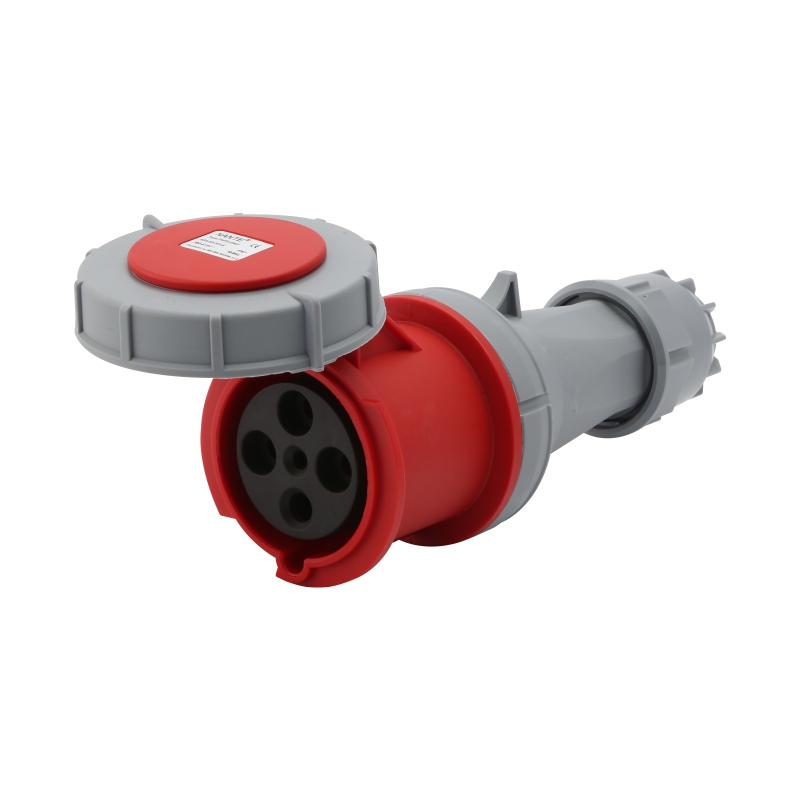
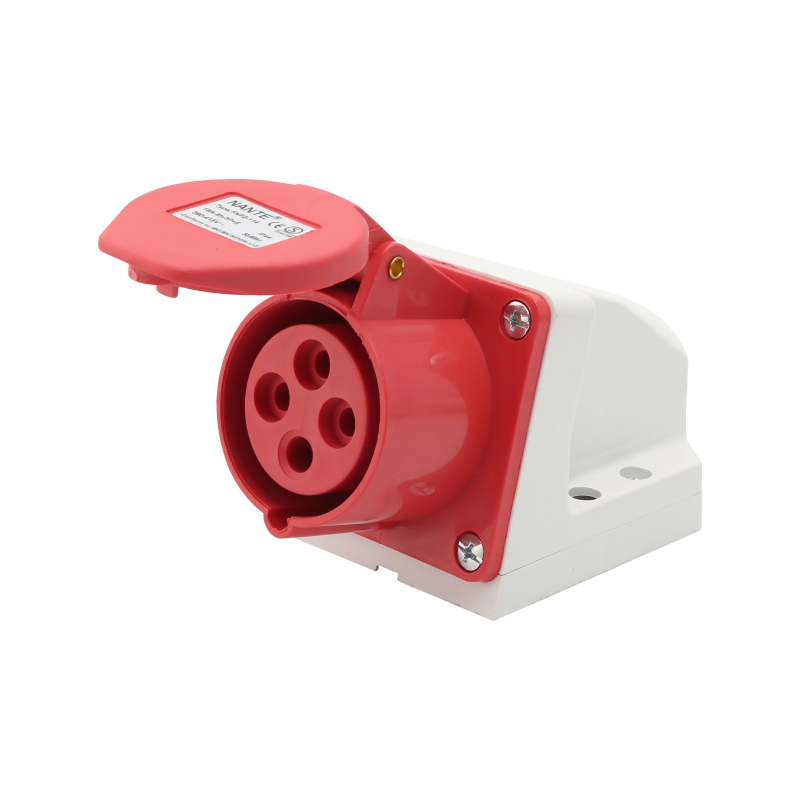
Waterproof Outdoor Boxes for Sockets Help Create Safer Outdoor Power Areas
 Home / News / Industry News / Waterproof Outdoor Boxes for Sockets Help Create Safer Outdoor Power Areas
 Outdoor power has become part of many everyday spaces. Gardens need lighting and tools. Patios may have cooking equipment, speakers, or decorative lights. Work areas often rely on portable electrical equipment. Even temporary outdoor activities can require access to a power source.
An outdoor socket makes these tasks easier. Yet an exposed socket can face conditions that are very different from those found indoors. Rain can reach the connection. Moisture may remain after cleaning or condensation. Dust, dirt, and small debris can also collect around the opening.
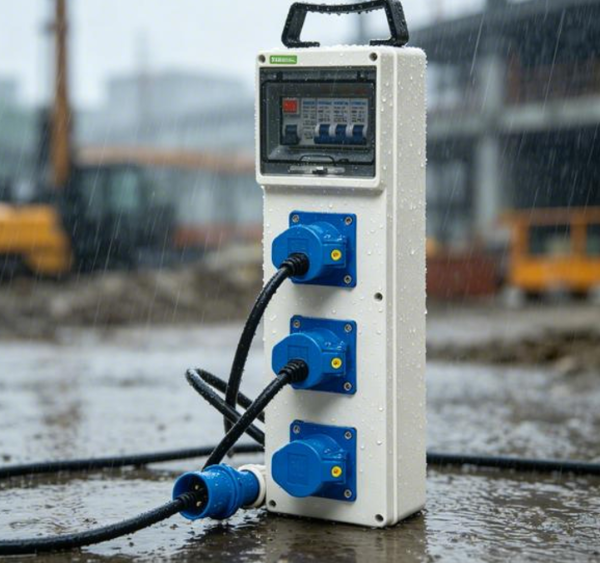
This is where a Waterproof Outdoor Box for Sockets becomes useful. The purpose is not simply to place another layer around an electrical point. A well-planned enclosure can help shield the socket from everyday outdoor conditions while keeping the area more organized.
The growing interest in outdoor power protection also reflects a wider change in how exterior spaces are used. Gardens are becoming work areas. Patios are becoming social spaces. Sheds and outdoor storage areas are taking on more functions. As these spaces become more active, power protection deserves more attention.
Indoor electrical points usually operate within a relatively controlled environment. Outdoor sockets do not have the same advantage. They may be exposed to changing weather, airborne dirt, splashes, and accidental contact with water.
The challenge is not limited to heavy rain. A light shower can leave moisture around an exposed connection. Wet ground can create splashes when people walk nearby. Garden maintenance can move soil and debris into areas where electrical outlets are installed. Even routine cleaning can introduce unwanted moisture.
A protective box creates a physical barrier around the socket. It can help reduce direct exposure and keep the surrounding area more orderly.
There is also a practical reason to protect outdoor sockets. People tend to focus on the appliance being powered rather than the connection itself. A garden light, power tool, or outdoor appliance may receive plenty of attention, while the socket remains exposed in the background.
A protective enclosure brings that connection into the planning process. It encourages homeowners, installers, and property managers to think about where outdoor power is located and how it will be used.
Protection is only part of the story. An outdoor socket box can also improve the way a power area looks and functions.
An exposed socket may sit among cables, garden materials, furniture, or equipment. This can make the area appear unfinished. A suitable enclosure gives the socket a defined location. It creates a clearer boundary between the electrical point and the surrounding environment.
This can be particularly helpful in busy outdoor spaces. Consider a patio where people move chairs, children play, and outdoor equipment is stored. A clearly protected socket is easier to recognize as an electrical point. It is less likely to become lost among everyday objects.
The same idea applies to outdoor work areas. When power connections have a designated protective space, users can better understand where equipment should be connected and where cables should be routed.
A useful outdoor box should therefore be viewed as part of the overall layout rather than an isolated accessory.
| Outdoor Situation | Common Concern | Role of a Protective Box |
|---|---|---|
| Garden | Rain, soil, and debris | Helps shield the socket from outdoor exposure |
| Patio | Frequent movement and changing weather | Keeps the power point more defined |
| Shed | Dust and general storage activity | Creates a more organized socket area |
| Outdoor work area | Tools and cables nearby | Helps separate the connection from surrounding activity |
| Recreational space | Frequent use by different people | Makes the protected power point easier to manage |
Weather is often the obvious concern, but outdoor environments are more complicated than rain alone.
Moisture can come from several directions. Water may fall from above, splash from the side, or collect on nearby surfaces. A socket positioned beneath a roof may still experience damp conditions. A sheltered location is not necessarily a completely dry location.
Dust and dirt can also become problems. Outdoor areas naturally contain particles from soil, plants, construction materials, and general activity. These materials may settle around exposed electrical points.
Temperature changes can affect the outdoor environment as well. Materials expand and contract as conditions change. Moisture may appear through condensation when warm and cool conditions meet. These everyday changes are easy to overlook because they happen gradually.
Physical activity matters too. Outdoor sockets can be located near walkways, storage areas, planting beds, or work zones. Cables may be moved frequently. Equipment may be placed nearby. A protective enclosure can help give the connection some separation from these activities.
The location should therefore be considered before selecting an enclosure. A box used beside a garden bed may face different conditions from one installed under a covered patio.
The right choice depends on the environment and the way the socket will be used. A product that works well in one location may not be suitable for another.
Several practical questions can help guide the decision.
Where will the socket be installed?
Think about whether it is fully exposed, partly sheltered, close to the ground, or positioned inside an outdoor structure.
What will be connected to it?
A socket used occasionally for a garden tool has different daily demands from one supporting outdoor lighting or frequently used equipment.
How often will the enclosure be opened?
Some outdoor power points are rarely touched. Others may be accessed regularly. Ease of opening and closing becomes more important when the socket is used often.
How will cables enter and leave the area?
Cable movement should not create unnecessary strain or clutter. The enclosure should work with the intended arrangement rather than making the connection harder to manage.
Will the box fit the existing socket arrangement?
Compatibility matters. The enclosure should accommodate the socket and its surrounding space without forcing awkward positioning.
These questions shift attention away from appearance alone. Outdoor protection works better when the enclosure matches the actual environment.
Maintenance is another reason to give outdoor socket protection more thought.
Outdoor areas are rarely static. Leaves fall. Soil moves. Furniture is rearranged. Garden tools come and go. Seasonal cleaning can change the conditions around a socket. Without a defined protective area, dirt and clutter can gradually build up.
An enclosure can make the electrical point easier to identify during routine checks. It also gives users a clear area to inspect when cleaning or reorganizing the surrounding space.
This does not mean a protective box eliminates the need for responsible electrical care. It is not a substitute for proper installation or safe use. Instead, it supports a more organized approach.
A simple routine can help keep the area manageable:
These habits are straightforward. They also help users notice changes before a small issue becomes part of a larger maintenance problem.
Outdoor electrical points were once often treated as functional additions. Install the socket, connect the equipment, and move on.
That approach is changing as exterior spaces become more versatile.
A modern garden may include lighting, seating, cooking areas, storage, entertainment equipment, and working zones. A patio may function as an extension of the home. A commercial outdoor area may support customers, staff, equipment, and temporary activities.
Power is now woven into many of these spaces.
This makes the location and protection of sockets more important during planning. An electrical point should not appear as an afterthought. Its position affects how people move around the area, where cables travel, and how the surrounding space is maintained.
A waterproof outdoor box can contribute to this planning process. It gives the socket a visible and defined place.
There is also an aesthetic factor. Outdoor spaces are often designed with considerable attention to appearance. An exposed connection surrounded by loose cables can interrupt an otherwise tidy layout. A protective enclosure can help integrate the power point into the space without making it the visual focus.
The idea is simple: good outdoor power planning considers both protection and placement.
Outdoor activities continue to expand beyond traditional gardening. People work outside, entertain guests, maintain recreational equipment, and spend longer periods in exterior spaces.
That flexibility depends partly on access to power.
A protected socket can make an outdoor power point easier to incorporate into different activities. A patio may need power for lighting during one occasion and equipment during another. A garden workspace may need a connection for maintenance tools. An outdoor storage area may require occasional access for electrical equipment.
The enclosure helps create a dedicated point that can be managed as part of the space.
This is especially relevant when several people use the same outdoor area. Not everyone will know where the electrical points are located or how exposed they are to the surroundings. A clearly positioned protective box provides a visible reference.
However, convenience should not encourage careless use. Outdoor electrical equipment still needs appropriate installation and handling. The box provides an additional layer of environmental protection. It does not make unsafe practices acceptable.
This distinction is important for both homeowners and commercial users.
The word "waterproof" naturally attracts attention, but outdoor socket protection involves more than keeping water away.
Access matters. If the box is difficult to open, users may be tempted to leave it open or handle it improperly.
Visibility matters. A socket that can be clearly located is easier to use and inspect.
Space matters. The enclosure should work with the socket and cable arrangement without creating unnecessary pressure or clutter.
Durability matters because outdoor products have to live in environments where surfaces can be touched, bumped, cleaned, and exposed to changing conditions.
Maintenance matters as well. A design that is easy to inspect can support better everyday care.
The surrounding installation also deserves attention. Even a well-designed enclosure cannot compensate for poor placement. If the box is positioned where water constantly collects or where equipment repeatedly strikes it, the overall setup may still create problems.
For this reason, the enclosure should be considered together with the socket, installation location, cable arrangement, and intended use.
A useful way to think about outdoor power protection is as a small system of choices rather than a single product decision. The box is one part of that system.
Outdoor spaces continue to demand more from their electrical infrastructure. As gardens, patios, sheds, work areas, and recreational spaces become more active, small details around power connections become easier to notice.
A Waterproof Outdoor Box for Sockets gives those connections a defined protective space. It can help reduce exposure to everyday outdoor conditions, support cleaner layouts, and make electrical points easier to identify and maintain. The value comes from how well the enclosure fits the location, the surrounding environment, and the way people actually use the space.
 +86-577-62731897
 shireen@nante.com
 No.688 chezhan Road, Liushi town, Wenzhou, China
Copyright © 2024 Fly-Dragon Electrical Co., Ltd. All Rights Reserved.
 浙公网安备33038202003041号
 Privacy
Outdoor Socket Box Factory & Outdoor Electrical Distribution Panel Factory



 English
 Español
 Português
 Deutsch