How Does an Event Power Distribution Box Support Temporary Power Needs
 Home / News / Industry News / How Does an Event Power Distribution Box Support Temporary Power Needs
 Temporary events often look simple from the outside.A stage is prepared. Lighting is installed. Sound equipment is placed. Screens, displays, food equipment, ticketing systems, and other electrical devices are brought into position.
Behind this visible setup is another task that receives less attention. Power needs to reach different parts of the site in an organized way.
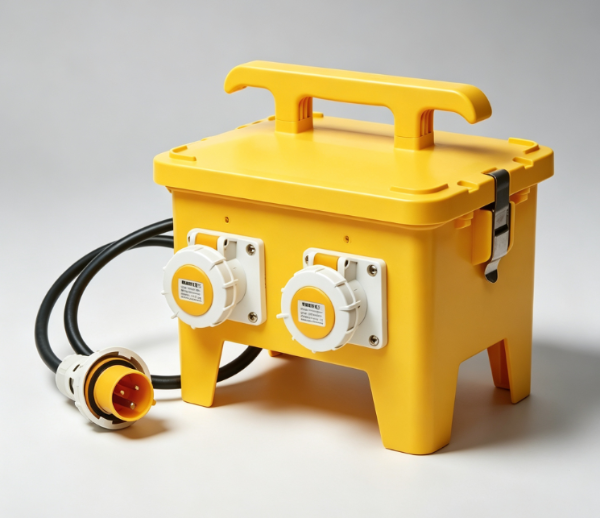
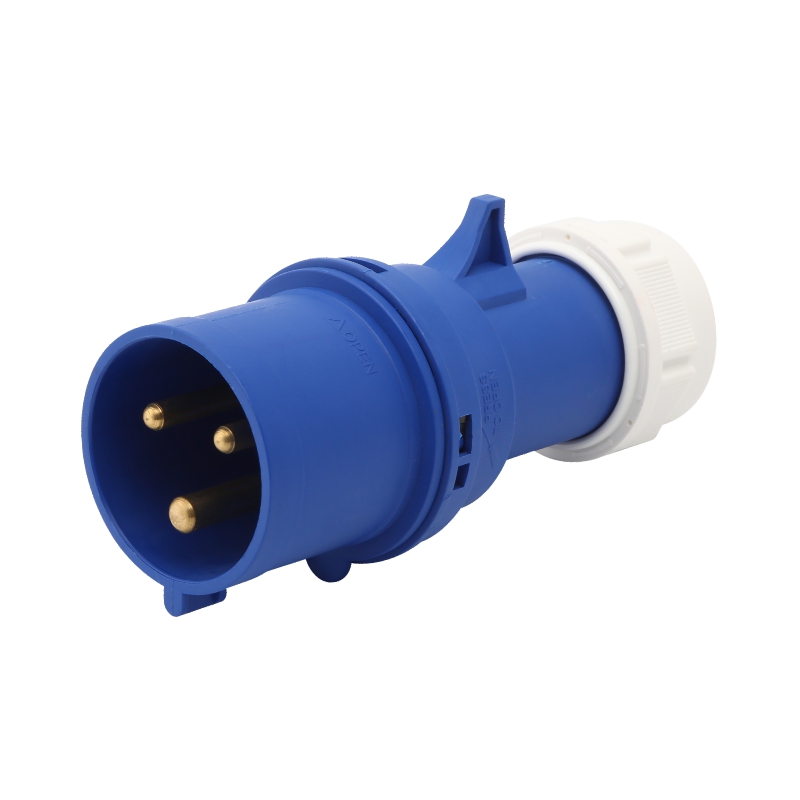
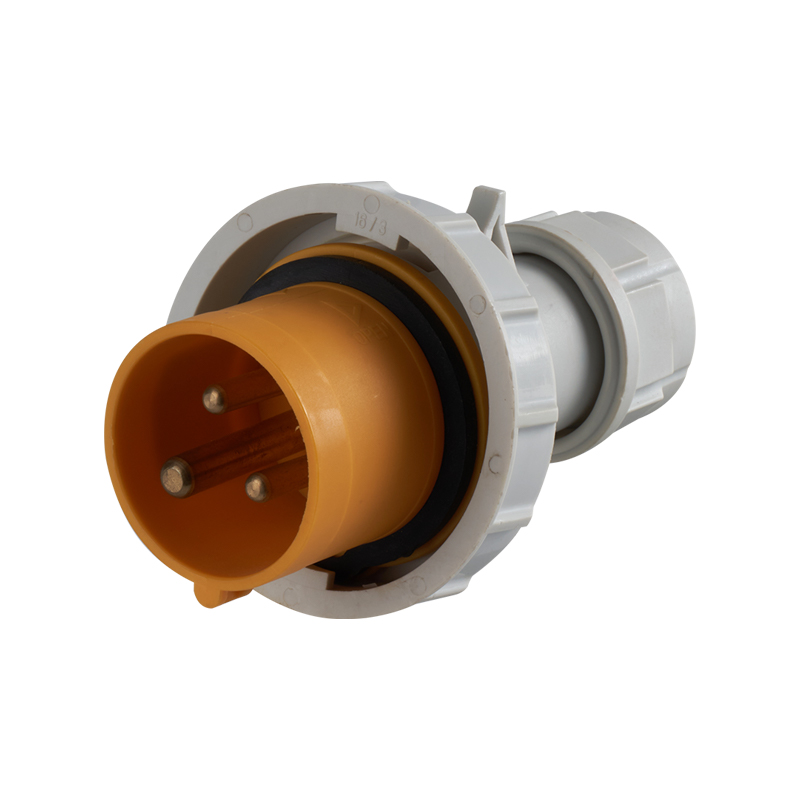
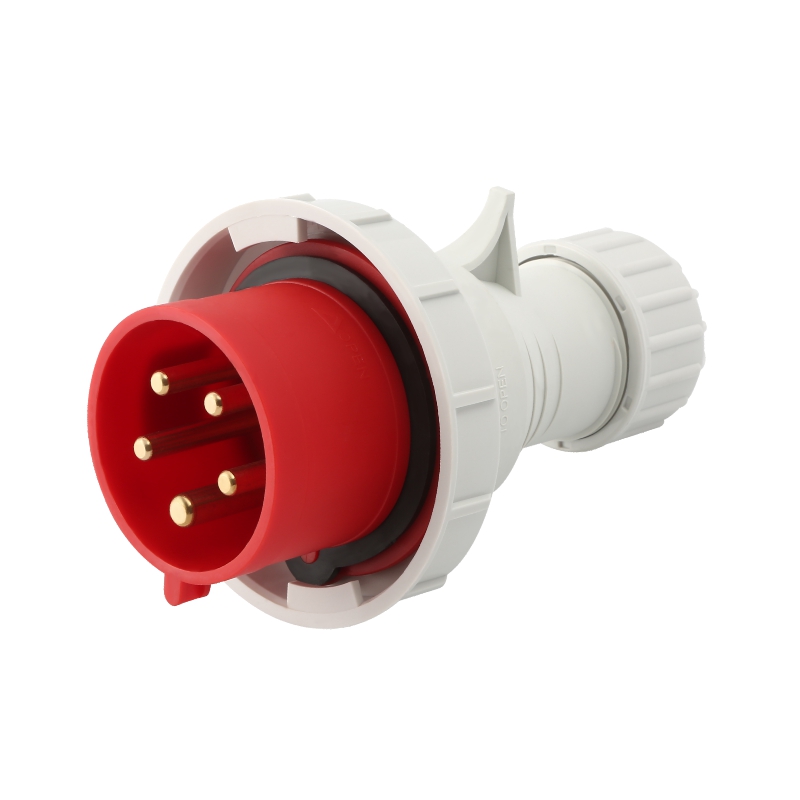
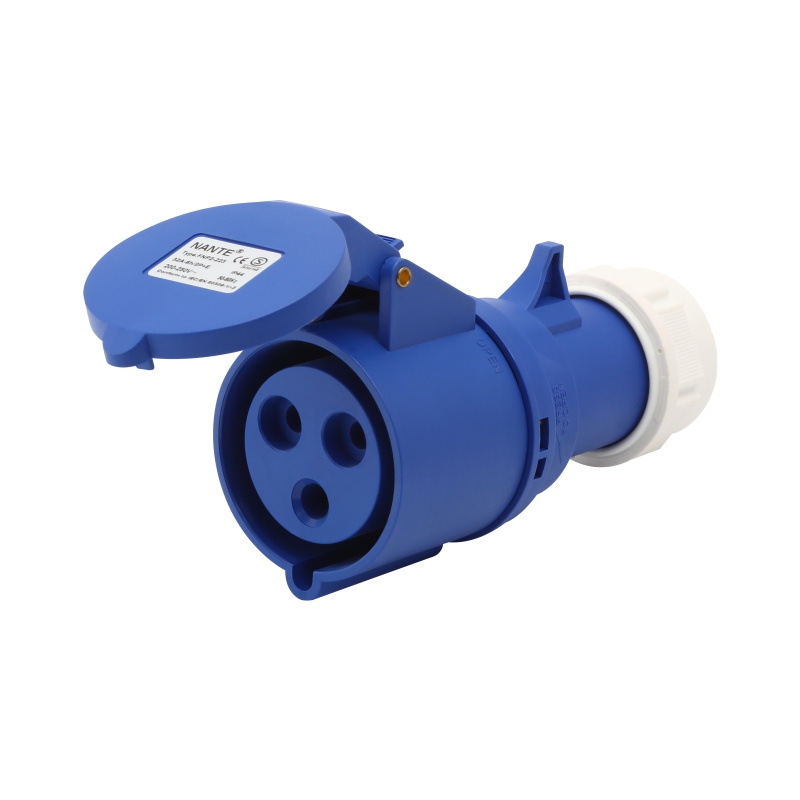
This is where an Event Power Distribution Box can become part of the temporary electrical arrangement.
Unlike a permanent building installation, an event site may only exist for a limited period. Equipment may arrive at different times. The layout may change during preparation. Several areas may need access to electrical power at the same time.
A suitable distribution box can help organize these temporary connections.
Its role is not simply to provide another place to plug in equipment. It can help divide available electrical supply into practical connection points, support site organization, and make temporary power easier to manage.
As event formats continue to include more lighting, displays, entertainment equipment, food services, and interactive installations, temporary power distribution remains an important part of event planning.
An event site can contain many different electrical needs.
A small outdoor gathering may need power for lighting and basic equipment. A trade show may have display screens, booths, lighting, and demonstration equipment. A performance area may require power for stage-related equipment and supporting facilities.
These devices may not all be located in the same place.
Running every connection back to one central point can make the site harder to organize. Long cables may cross walking areas. Equipment may be spread across several zones. Workers may also need to identify which connections serve different parts of the venue.
A distribution box provides a more organized way to approach this arrangement.
Instead of treating the entire event as one electrical connection area, power can be managed through different points that correspond with the layout.
This can support several practical goals:
The value comes from organization.
An event may only last for a short time, but the preparation behind it can involve many moving parts. A clear power arrangement can make those tasks easier to coordinate.
A temporary event rarely depends on one electrical device.
There may be several areas that need power at the same time. Each area can have its own equipment and working conditions.
For example, a site may include:
| Event Area | Possible Electrical Needs |
|---|---|
| Stage area | Lighting and performance equipment |
| Exhibition area | Displays and demonstration equipment |
| Food service area | Small electrical appliances and service equipment |
| Entrance area | Lighting and visitor management equipment |
| Outdoor activity area | Temporary equipment and lighting |
| Information area | Computers, screens, and communication equipment |
The exact arrangement depends on the event.
An Event Power Distribution Box can act as a connection point between the available electrical supply and these different areas.
This helps create a clearer structure.
Instead of viewing the site as one large collection of cables and devices, organizers can think in terms of zones. Each zone can have a defined power connection point.
That approach can be useful during installation.
Workers can identify where equipment needs to operate and then consider how the power supply should reach that area. The same structure can also help during removal after the event.
Temporary infrastructure needs to be easy to assemble and take apart.
A well-organized distribution arrangement supports both parts of the process.
Power is not only an electrical issue. It is also a site-management issue.
Cables need to move through spaces where people may be walking. Equipment needs to be positioned without blocking important access areas. Temporary structures may need to share the same space.
This makes organization important.
A distribution box can help power connections stay closer to the areas where they are needed. This does not eliminate the need for proper cable management, but it can give planners a clearer starting point.
Consider a large event floor.
If every electrical connection is planned from a single distant point, the installation may become complicated. Cables may need to travel across several sections of the site.
A more distributed arrangement can place connection points closer to different working areas.
This can help workers understand the layout.
It can also make changes easier to manage. Event layouts sometimes change during preparation. A booth may move. A display may be added. A service area may be repositioned.
When power is organized by zones, these changes can be easier to consider within the existing site structure.
The distribution box therefore becomes part of the physical planning process rather than an isolated electrical component.
Outdoor events create different practical conditions from indoor venues.
An indoor space may have established electrical infrastructure. An outdoor site may be temporarily transformed into a working environment.
Power may need to reach areas that were not designed as permanent workspaces.
Outdoor festivals, exhibitions, markets, sporting activities, community gatherings, and temporary commercial spaces can all involve this type of setup.
The distribution equipment needs to fit the environment in which it will be used.
The surrounding conditions should be considered as part of the planning process. Weather exposure, site movement, equipment placement, cable routing, and public access can all influence how temporary power is arranged.
An appropriate Event Power Distribution Box can help create defined connection areas within the temporary layout.
This is particularly useful when several outdoor zones are operating at the same time.
For example, an event may have one area for visitors, another for vendors, and another for entertainment. Each space can have different electrical needs.
A distributed power arrangement allows planners to think about these areas separately.
That does not mean every area needs its own box. The right arrangement depends on the site, equipment, available supply, and applicable safety requirements.
The important point is that temporary power should be considered together with the physical environment.
Electrical equipment at events can vary considerably.
Some devices are used throughout the event. Others may only operate during certain activities. Some belong to event organizers, while others may belong to exhibitors, vendors, performers, or service providers.
This creates a management challenge.
If every user connects equipment without a clear structure, it can become difficult to understand how the site is supplied.
A distribution box can provide a recognizable point for organizing these connections.
It can help divide an event's electrical arrangement into understandable sections. This can be useful when different teams are responsible for different areas.
For example, an exhibition team may manage booth equipment while another team handles stage equipment. A separate service group may manage food or hospitality areas.
Clear power organization can help these groups work within their designated areas.
It also supports communication.
When workers know where their area's electrical connection is located, questions about power access can be easier to address.
This may sound like a small benefit, but temporary events often involve many teams working at the same time.
Simple systems can make coordination easier.
Safety should remain an important part of temporary power planning.
An event site is different from a permanent workplace. Equipment may be installed quickly. Visitors may move through the area. Cables may cross spaces that were not originally designed for electrical use.
A distribution box does not make an electrical installation safe by itself.
The complete setup still needs to be planned, installed, checked, and used according to applicable requirements.
However, organized distribution can support better control of the overall arrangement.
Defined connection points can make it easier to identify where equipment is supplied. Clear separation between different areas can also help workers understand the layout.
Good organization may reduce confusion.
For event planners, this means electrical planning should happen alongside other site planning tasks rather than being treated as a final detail.
Power access can affect booth placement, stage arrangements, food service locations, lighting positions, and visitor movement.
When these factors are considered together, the temporary infrastructure can be easier to manage.
The distribution box becomes one part of that wider planning process.
The right choice depends on how the equipment will be used.
There is no single distribution arrangement that fits every event.
Organizers can begin by looking at the actual site and asking several practical questions.
Where will electrical equipment be located?
The answer can help determine where temporary power connection points may be useful.
How many areas need electrical access?
Different event zones may have different needs. Understanding these areas can help create a more organized layout.
Who will use the connections?
If several teams or external participants are involved, clear organization can become more important.
How will the equipment be transported and stored?
Temporary event equipment is often moved between locations. The distribution box should fit the practical needs of installation, removal, transportation, and storage.
What environmental conditions will it face?
Indoor and outdoor applications can require different considerations. The surrounding environment should be evaluated before equipment is selected.
What safety requirements apply?
Electrical installations should follow relevant local requirements and be handled by appropriately qualified personnel where required.
These questions can prevent buyers from selecting equipment based only on appearance or general product descriptions.
The application should guide the decision.
Event layouts are rarely completely static.
A site may look different during preparation than it does during the actual event. Booths can be rearranged. Temporary structures can be added. Equipment can be moved to improve visitor flow.
Power planning needs to accommodate this reality.
A flexible distribution approach can make these changes easier to manage.
This is one reason temporary power equipment is often considered as part of the overall event infrastructure rather than simply as an electrical accessory.
The goal is to create a system that can work with the physical arrangement of the event.
An Event Power Distribution Box can provide a practical connection point within that arrangement. When positioned appropriately, it can help divide the site into manageable power zones.
This can be especially useful for events that combine several activities.
A single location may include entertainment, retail, food service, information displays, and visitor facilities. Each area has a different function.
The power arrangement should reflect those differences.
Instead of treating electricity as something that simply arrives at the venue, event planners can consider how power moves through the site.
That perspective can lead to more organized installation and easier coordination between teams.
As temporary events become more varied in their layouts and equipment needs, this way of thinking about power distribution can become increasingly relevant to event planning.
 +86-577-62731897
 shireen@nante.com
 No.688 chezhan Road, Liushi town, Wenzhou, China
Copyright © 2024 Fly-Dragon Electrical Co., Ltd. All Rights Reserved.
 浙公网安备33038202003041号
 Privacy
Outdoor Socket Box Factory & Outdoor Electrical Distribution Panel Factory



 English
 Español
 Português
 Deutsch