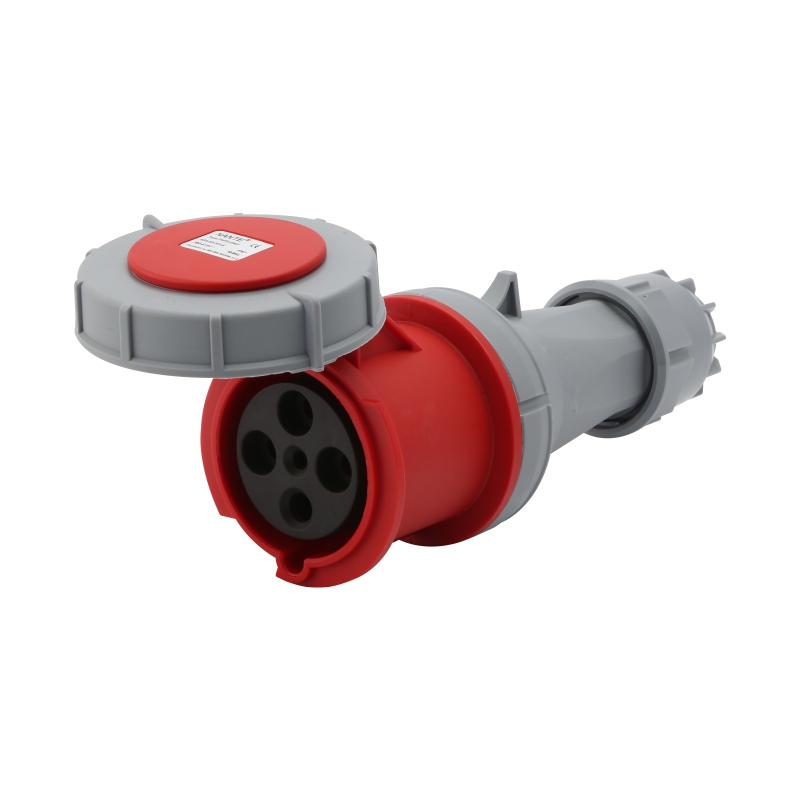
Why Is a Portable Distribution Box Becoming Essential for Safe Power Flow
 Home / News / Industry News / Why Is a Portable Distribution Box Becoming Essential for Safe Power Flow
 Electrical power is easy to take for granted until something goes wrong. Lights flicker, equipment shuts down, or a circuit gets overloaded, and suddenly the value of a well-organized supply system becomes obvious. That is one reason a Portable Distribution Box is getting more attention in both temporary and fixed power setups. It helps move electricity in a more controlled way, giving users a practical point of access between the main supply and the devices that depend on it.
In simple terms, the box acts like a control hub. Power comes in from one source, then gets divided into separate circuits so it can be used safely across different areas. That basic function sounds straightforward, but in real use it plays a major role in keeping electrical systems orderly, readable, and safer to manage.
A distribution box does not try to do everything. It focuses on one task: directing electricity where it needs to go. That may sound ordinary, but in an electrical system, order matters.
When power is spread across multiple circuits without clear control, the risk of overload rises. Devices can stop working properly, and faults can create safety concerns. A distribution box helps avoid that by giving each circuit a defined path and a clearer role in the system.
What it helps with
That is why the box is used in homes, workplaces, event spaces, and project sites. Different settings may need power in different ways, but the need for control stays the same.
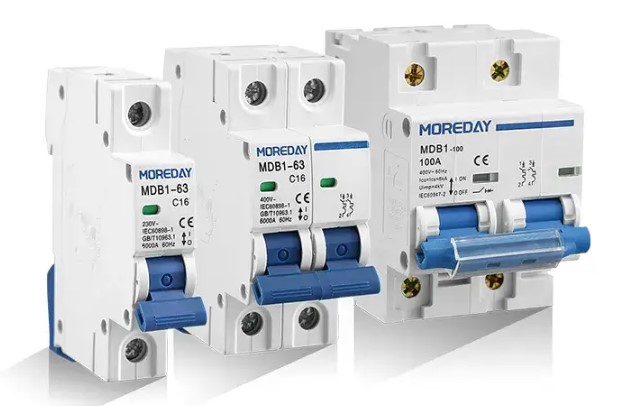
One of the good important reasons people rely on this type of equipment is protection. Electrical systems can face overloads, short circuits, and other faults. When that happens, the damage can spread quickly if the system is not prepared.
Inside the box, protective components help respond to those problems. They are there to interrupt unsafe conditions before they become more serious. This is not just about equipment. It is also about reducing fire risk and protecting the people who use the system.
Common protection benefits
A well-designed system does not wait for trouble to appear. It is built to handle it early. That is where the distribution box becomes more than a piece of hardware. It becomes part of the safety structure of the building or site.
Electrical demand changes throughout the day. Some circuits carry more use than others, and some devices draw more power at certain times. If all of that pressure sits in one place, the system can become unstable.
The distribution box helps spread the load more evenly. That balance makes the whole setup work in a smoother way. It also helps keep appliances and other connected devices from dealing with unnecessary stress.
Benefits of balanced load use
This is one of those features people often notice only when it is missing. A system that is well balanced tends to feel quiet and reliable. A system that is not can become unpredictable fast.
The flexibility of a Portable Distribution Box is part of what makes it useful in so many places. Some sites need power for only a short period. Others need a fixed setup that still allows easy access and control. In both cases, the same basic principle applies: electricity should be organized, not left to chance.
Temporary work areas often need fast setup and clear control. Event locations may need a power system that can support lighting, equipment, and other services without confusion. Even in permanent spaces, a central distribution point makes maintenance and inspection easier.
Typical use environments
In each of these places, the need is similar. Power must be delivered in a way that is manageable, safe, and easy to follow.
Another reason distribution boxes remain important is maintenance. Electrical systems need attention from time to time, and a central access point makes that work much easier. When the circuits are gathered in one place, technicians do not have to search through a scattered setup to find the problem.
That saves time, but it also improves safety. Clear access to the system means inspections can happen with less confusion. Adjustments can be made more efficiently. Small issues can be found before they turn into larger ones.
Why maintenance is easier
For operators, that means less disruption. For users, it means a system that feels more dependable over time.
Safety in electrical supply is often about small details. A single loose connection, an overloaded line, or a poorly managed circuit can cause trouble. The distribution box helps reduce those risks by keeping the supply organized from the start.
It also gives users and technicians a clearer picture of how the system is working. Instead of treating electricity as one large, hard-to-track flow, the box separates it into manageable parts. That makes diagnosis easier and reduces the chance of guesswork.
Everyday safety value
This is one reason distribution equipment remains a regular part of electrical planning. It supports both function and safety in a way that is simple but important.
| Function | What It Does | Why It Matters |
|---|---|---|
| Power division | Sends electricity into separate circuits | Helps organize the supply |
| Protection | Responds to overloads and faults | Reduces electrical risk |
| Load management | Balances electrical demand | Supports stable operation |
| Maintenance access | Creates a central control point | Makes inspection easier |
| System organization | Keeps the setup clear | Improves reliability |
Power needs are not becoming simpler. Buildings use more devices, worksites rely on more equipment, and event setups often need flexible supply arrangements. In all of those cases, control matters just as much as capacity.
That is where the distribution box continues to earn its place. It gives structure to the electrical system and helps keep the supply from becoming difficult to manage. Whether the setup is temporary or permanent, the goal is the same: deliver power in a safe and orderly way.
The value of a Portable Distribution Box is not in complexity. It is in making a complicated system easier to handle. That kind of practical support is why it remains relevant across so many applications.
A power system works good when each part has a clear role. The source brings in electricity. The distribution box divides it. The circuits carry it where it is needed. When those steps are handled properly, the whole setup becomes easier to trust.
That is why people continue to rely on this equipment for more than convenience. It helps keep the supply under control, supports safer use, and makes maintenance more straightforward. In a field where small mistakes can good to larger problems, that kind of stability matters.For anyone planning or managing an electrical setup, the distribution box is one of the pieces that quietly holds the system together. For more details, visit nante.
 +86-577-62731897
 shireen@nante.com
 No.688 chezhan Road, Liushi town, Wenzhou, China
Copyright © 2024 Fly-Dragon Electrical Co., Ltd. All Rights Reserved.
 浙公网安备33038202003041号
 Privacy
Outdoor Socket Box Factory & Outdoor Electrical Distribution Panel Factory



 English
 Español
 Português
 Deutsch