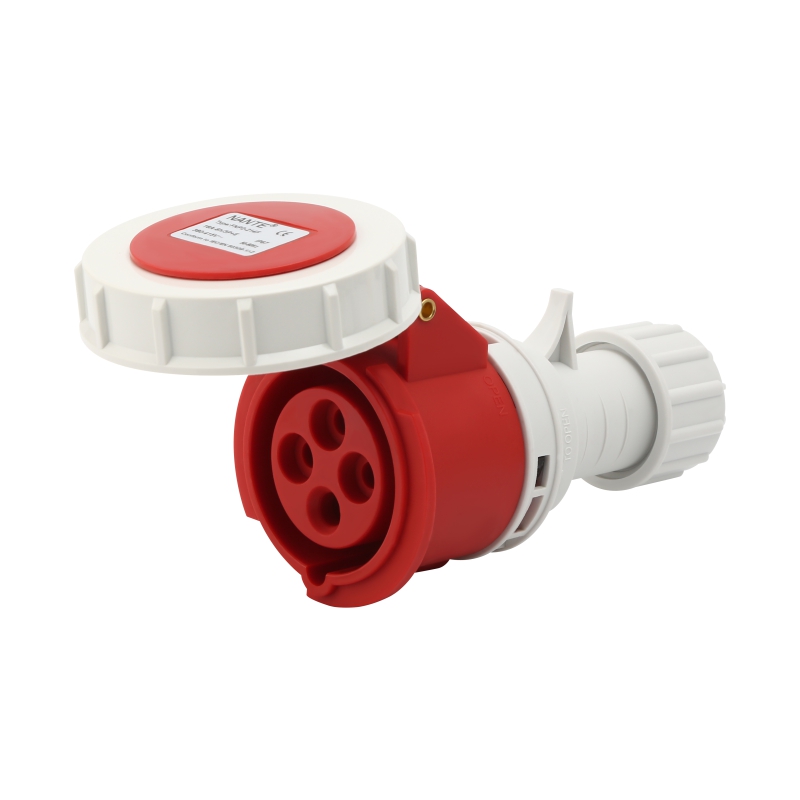
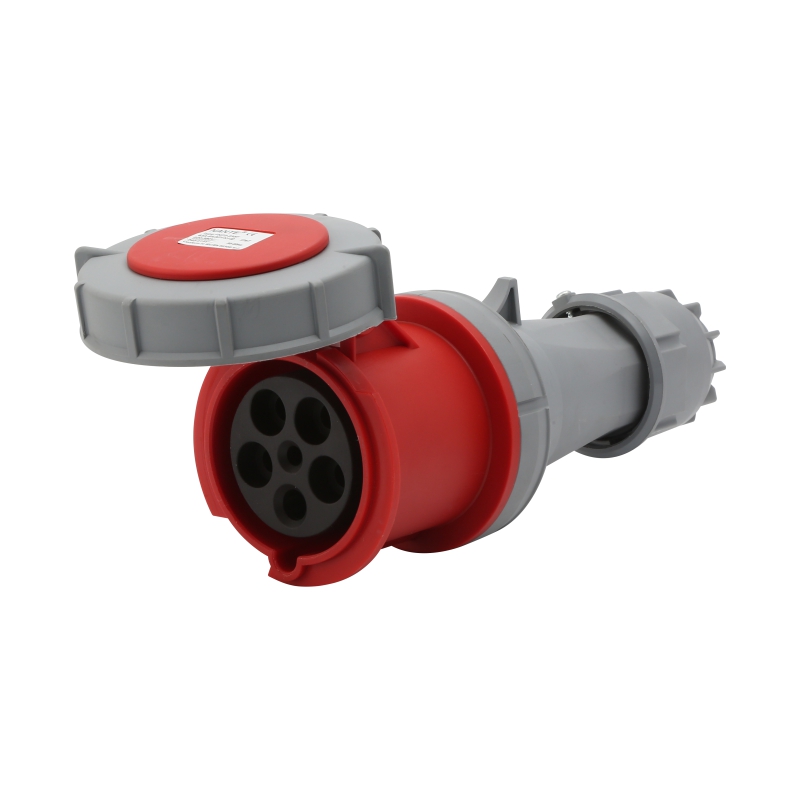
How to Choose the Right Industrial Plug Socket Connector
In many industrial settings, power does not simply flow from a wall outlet to a device. It moves through connectors that must handle movement, exposure, and repeated use. These connectors sit at the intersection of safety, reliability, and daily operation. Choosing one is rarely a casual decision. It often reflects how a system will perform over time.
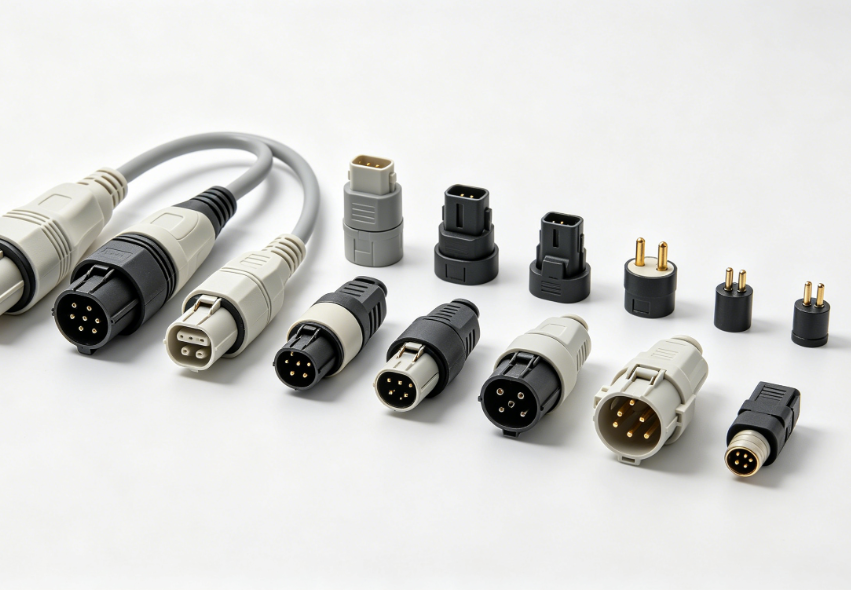
Industrial plug socket connectors appear simple on the surface. A plug fits into a socket. Power flows. Yet behind this basic action lies a series of design choices. Each one responds to a real need. Some relate to the working environment. Others respond to user habits, maintenance routines, or installation methods.
We are explores how those choices come together. It looks at the key questions buyers and engineers often face. Each section builds a clearer picture of how to select a connector that aligns with real working conditions.
A connector is not just a link between power source and equipment. It acts as a control point. It can isolate, connect, or interrupt energy flow. It may be handled many times a day. In some settings, it is exposed to vibration, dust, or moisture.
The connector also influences how quickly systems can be set up or reconfigured. In mobile equipment, it supports flexibility. In fixed installations, it contributes to long-term stability. If it fails, operations may stop without warning.
In this sense, the connector carries both electrical and operational responsibility. Choosing one requires attention to how it will be used, not just what it connects.
The environment often sets the baseline. A connector used indoors behaves differently from one used outdoors. A dry workshop presents fewer challenges than a humid or dusty site.
Some environments involve frequent temperature shifts. Others include exposure to water or chemicals. In such cases, the outer structure of the connector matters as much as its internal function.
Consider the following comparison:
| Environment Type | Key Considerations | Impact on Connector Choice |
|---|---|---|
| Indoor controlled | Low exposure | Standard protective features |
| Outdoor exposed | Weather and moisture | Sealed design, durable casing |
| Dust-heavy | Fine particles | Tight sealing, smooth surfaces |
| Mobile equipment | Movement and vibration | Secure locking, flexible design |
| Temporary installations | Frequent connection cycles | Easy handling, robust structure |
A connector that works well in one setting may struggle in another. Matching the connector to the environment helps avoid early wear or unexpected faults.
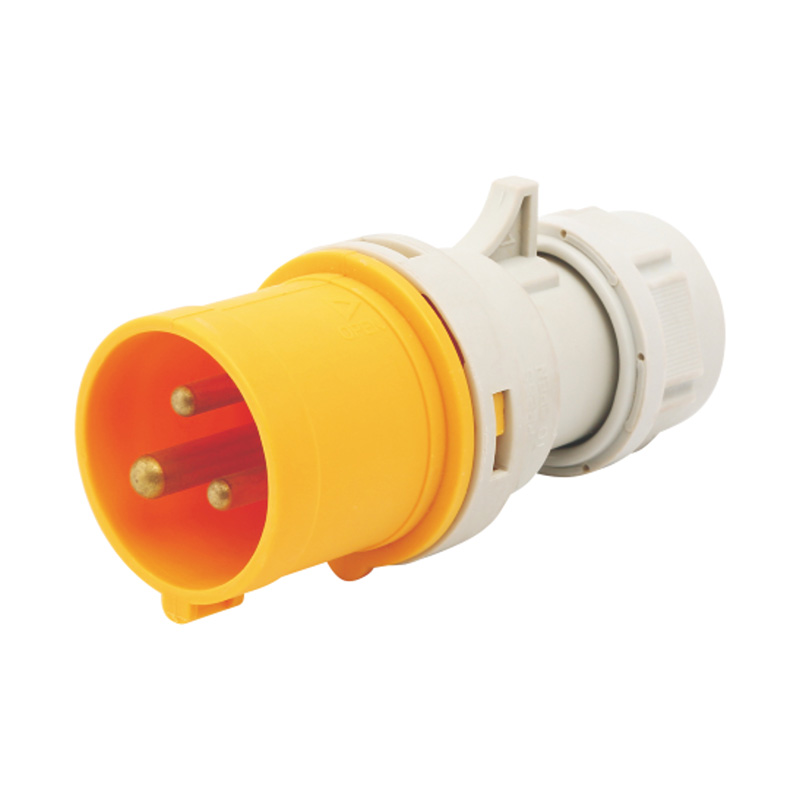
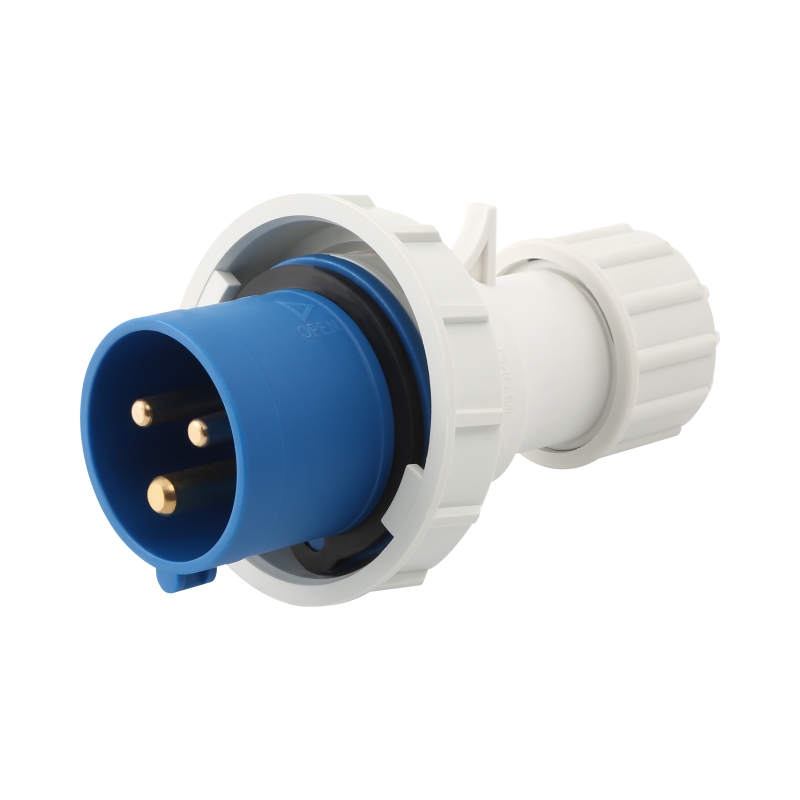
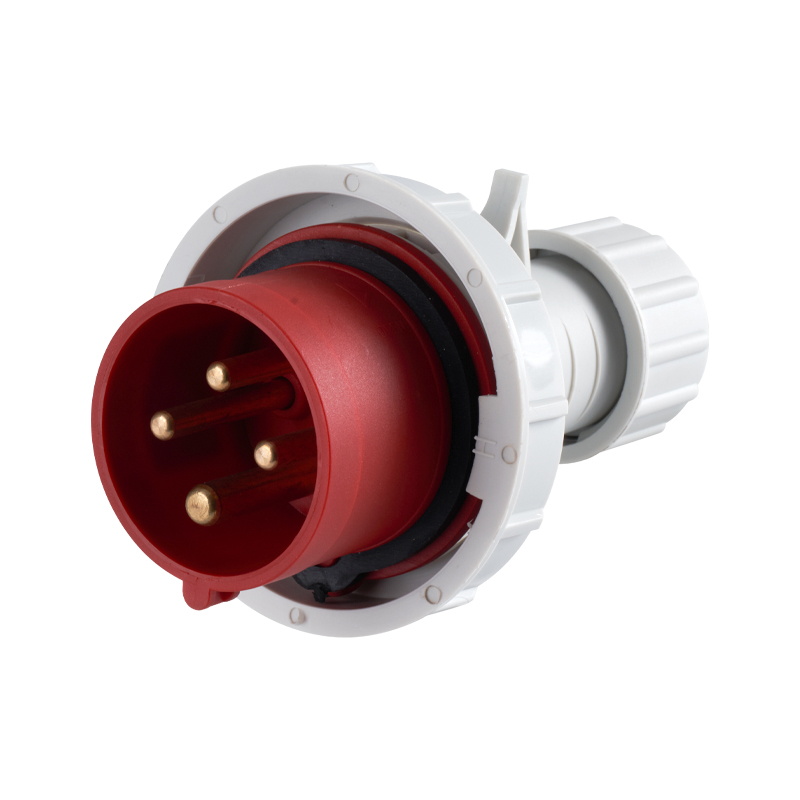
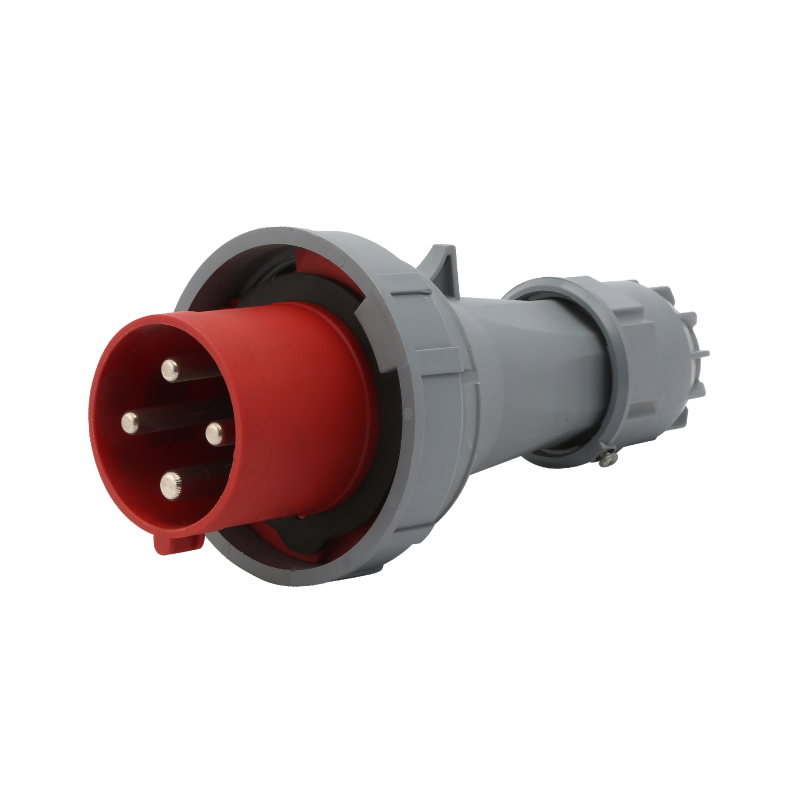
Industrial connectors come in several forms. Each type reflects a different use pattern. Some focus on fixed installations. Others support mobility.
Common categories include:
1.Standard plug and socket sets
These are widely used in general industrial applications. They offer straightforward connection and disconnection.
2.Locking connectors
These include mechanisms that prevent accidental unplugging. They are useful in environments with movement or vibration.
3.Panel-mounted sockets
Installed on equipment or walls. They create fixed connection points for incoming power.
4.Extension connectors
Used to extend power reach. Often found in temporary setups or maintenance work.
5.Weather-resistant connectors
Designed to handle outdoor use. Their structure limits the entry of water or dust.
Each type serves a different purpose. The choice depends on how often the connector will be used and where it will operate.
Compatibility affects both safety and usability. A connector must match the system it connects to. This includes physical fit as well as electrical alignment.
A mismatch can Find to loose connections or difficulty during installation. In some cases, it may prevent the system from working at all.
Compatibility also matters when systems expand. Using consistent connector types makes it easier to add or replace equipment. It reduces confusion during maintenance.
When selecting a connector, it helps to consider current needs and possible future changes. A flexible approach can save effort later.
Safety is often built into the structure of the connector. It does not always appear as a separate feature. Instead, it is part of how the connector is shaped and how it functions.
Some connectors include protective covers. Others use recessed contacts. These design elements reduce the risk of accidental contact.
Locking systems also contribute to safety. They keep the connector in place during use. This prevents sudden disconnection, which could disrupt operations.
Another aspect is ease of handling. A connector that is difficult to grip or align may to improper use. Over time, this can create safety concerns.
Choosing a connector with clear and simple operation helps reduce errors during daily use.
Materials influence durability. They also affect how the connector responds to environmental stress.
The outer casing often needs to resist impact and wear. In some settings, it must also handle exposure to sunlight or moisture. A stable material helps maintain shape and function over time.
Internal components must support consistent electrical contact. They should resist corrosion and maintain their form under repeated use.
Different materials serve different purposes. The goal is not to find a universal solution, but to match the material to the conditions of use.
Installation is sometimes overlooked during selection. Yet it plays a key role in long-term performance.
A connector that is easy to install reduces setup time. It also lowers the chance of mistakes. Clear alignment points and secure fastening help ensure proper connection.
Space constraints may also influence the choice. In tight areas, compact designs are easier to handle. In open spaces, larger connectors may offer better grip.
Installation conditions vary. Some connectors are installed once and left in place. Others are moved or replaced regularly. Understanding this difference helps guide selection.
Usage patterns describe how often and how intensively a connector is used. Some connectors remain connected for long periods. Others are unplugged and reconnected many times a day.
Frequent use places stress on both the housing and internal contacts. Over time, this can Find to wear. A connector designed for repeated cycles will maintain performance longer.
In contrast, connectors used in stable setups may focus more on secure connection than on frequent handling.
Observing how the connector will be used provides insight into what features matter most.
Maintenance begins with design. A connector that is easy to clean and inspect supports long-term use.
Dust or moisture may build up over time. Smooth surfaces and simple shapes make cleaning easier. Accessible parts allow quick inspection.
Some connectors require regular checks. Others are designed for minimal maintenance. The choice depends on the operating environment and maintenance routine.
Ignoring maintenance needs can Find to gradual performance decline. Addressing them during selection helps avoid later issues.
Industrial connectors continue to evolve. Design trends often reflect changes in working environments and user expectations.
There is a growing focus on ease of use. Connectors are shaped for better grip. Visual cues help guide correct alignment.
Another trend involves adaptability. Connectors are expected to work across different setups. This supports flexible operations.
Durability remains a constant theme. As equipment becomes more mobile, connectors must handle movement without losing reliability.
These trends do not replace basic requirements. They build on them, offering more options for users with varied needs.
Choosing a connector may seem complex at first. Breaking the process into smaller steps can make it more manageable.
Each step narrows the options. Together, they form a practical path toward selection.
A connector is part of a larger system. Its value lies in how well it fits into that system. Careful selection supports smoother operation and reduces unexpected interruptions.
 +86-577-62731897
 shireen@nante.com
 No.688 chezhan Road, Liushi town, Wenzhou, China
Copyright © 2024 Fly-Dragon Electrical Co., Ltd. All Rights Reserved.
 浙公网安备33038202003041号
 Privacy
Outdoor Socket Box Factory & Outdoor Electrical Distribution Panel Factory



 English
 Español
 Português
 Deutsch