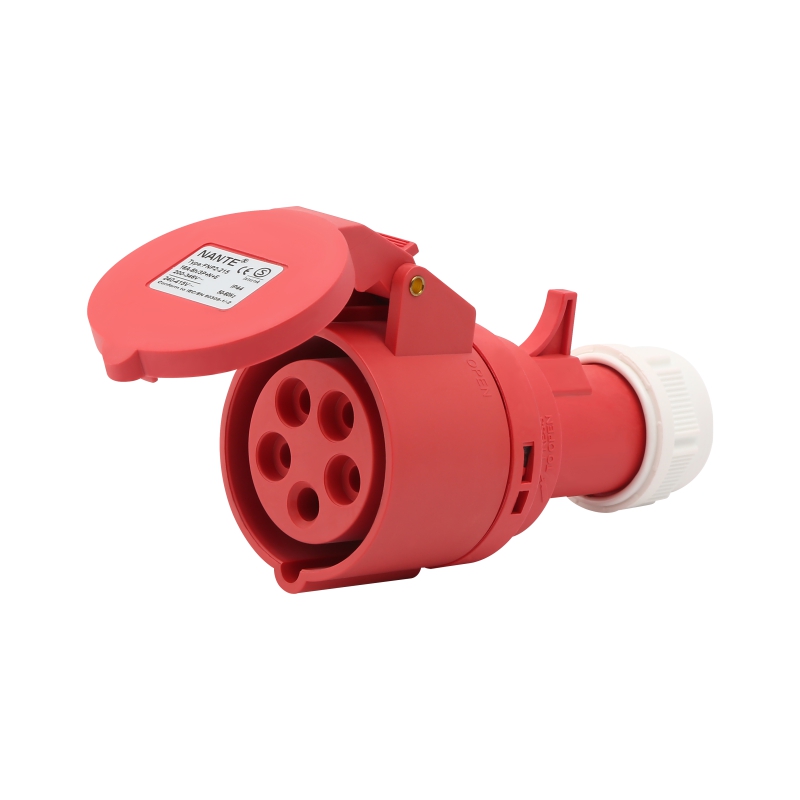
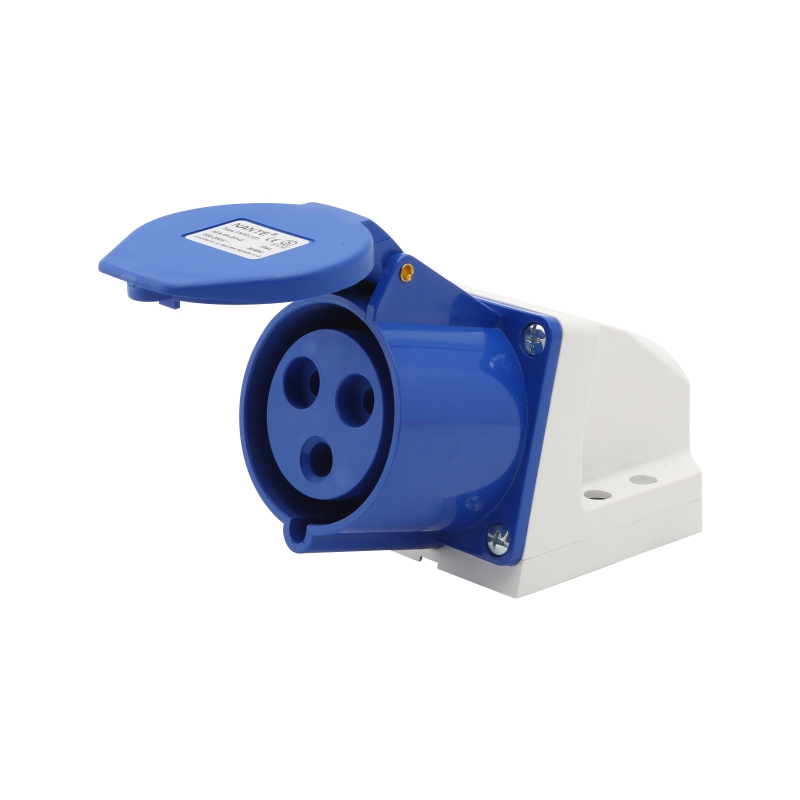
Plastic Electrical Socket Box Offers Lightweight and Durable Wiring Support
 Home / News / Industry News / Plastic Electrical Socket Box Offers Lightweight and Durable Wiring Support
 Wiring systems inside buildings rely on many small components that rarely get attention during planning. Among them, the socket box plays a quiet but steady role. It does not carry visible power on its own, yet it supports the entire structure of electrical connection points.
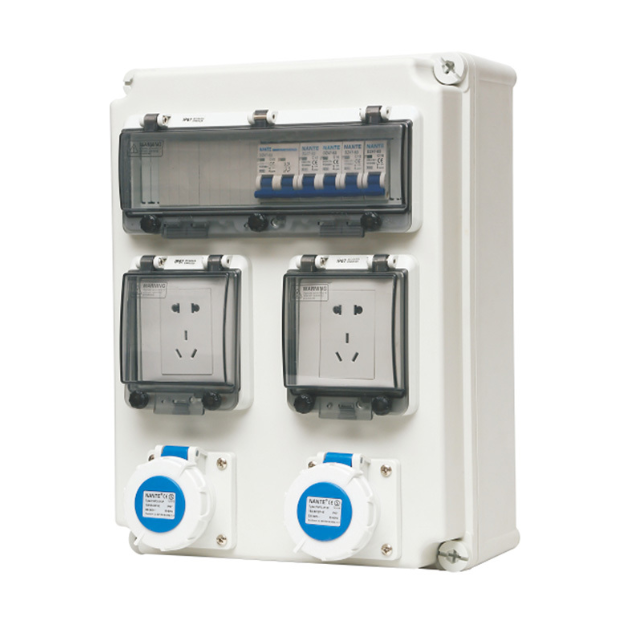
Plastic electrical socket box is widely used in modern installations because they combine simple handling with long-term practicality. Their role is not about adding complexity. It is about keeping wiring points stable, organized, and protected inside walls or mounting spaces where daily conditions gradually change over time.
The demand around this component is less about appearance and more about how smoothly it fits into real installation work.
Electrical wiring is not only about connecting cables. It is also about keeping those connections in a fixed and controlled position. Without a proper enclosure, wiring points can shift slightly over time due to vibration, usage, or surrounding construction movement.
A socket box creates a defined space for these connections. Inside this space, wires remain grouped instead of spreading out loosely behind walls. This helps reduce confusion during installation and later adjustments.
It also provides a physical boundary between wiring and surrounding materials. This separation is important because wiring systems often sit close to structural elements that are not designed to interact directly with electrical components.
The socket box becomes a silent organizer. It does not change how electricity flows, but it influences how safely and clearly that flow is arranged at the connection point.
Material choice has a direct effect on how installation feels in practice. Plastic socket boxes are noticeably lighter compared to traditional rigid alternatives used in some older setups. This difference becomes more obvious when working across multiple installation points in a single project.
A lighter component is easier to position. When working inside narrow wall openings or elevated areas, reduced weight helps control movement more precisely. Installers can align the box without needing extra force or repeated adjustments.
Handling also becomes more consistent across repeated tasks. In larger projects, where many units are installed in sequence, lighter material reduces physical strain over time. This does not change the electrical function, but it improves how smoothly installation work progresses.
Plastic surfaces also tend to allow easier fitting within prepared spaces. They adapt well during placement, which reduces resistance when aligning with wall structures or mounting frames.
Light weight doesn't equal weak build. A socket box holds steady thanks to its design and mounting method, not sheer mass.
After fitting into walls or panels, plastic socket boxes lock firmly in position. Even if the surrounding building materials shift slightly over years, the box stays put and keeps all internal wiring lined up properly.
The box creates a clear enclosed space for all internal cables. Wires cannot slip out or rub against surrounding surfaces. Even when several cables run into one opening, the housing holds them neatly inside a limited area.
This controlled space limits tiny shifts in wiring that might loosen connections over time. It does not rely on heavy weight to lock parts down, but consistent positioning to protect wire terminals long-term.
Behind every wall switch and outlet sits a small hidden space meant to hold wiring. Without any enclosure, this spot quickly gets messy, especially with lots of cables running through.
A socket box creates a dedicated, fixed area to arrange wires. All incoming cables feed into this single housing instead of spreading randomly inside wall cavities.
This neat layout speeds up initial fitting work. It also simplifies later inspections, as every wire connection sits within one clear, easy-to-access enclosure.
Since all wiring stays grouped in the same predictable spot, making changes or repairs becomes far simpler. Workers no longer need to hunt through tangled loose wires in empty wall spaces—they only focus on the organized box itself.
Electrical wiring needs to hold up for many years, not just a short while after fitting. After installation, wires face constant small outside impacts: shifting temperatures, minor structural shifts in the building, and steady vibration from regular use.
These subtle changes add up slowly and can nudge wires out of their original positions. Without proper containment, cables creep little by little as time goes on.
Plastic socket boxes hold all wiring inside a steady frame to cut down this shifting. They do not clamp wires completely stiff, yet they stop unwanted movement of cables.
This gentle support works well for outlets that get used daily. The design does not aim to block all slight movement, only keep shifts within a safe, predictable limit.
These plastic boxes fit many different installation settings. Homes are the common spot, with wiring hidden inside wall and ceiling cavities.
Commercial buildings also depend heavily on them, especially rooms with many outlets spread across the space. Offices, shops and public facilities all need neat wiring that stays reliable long term.
Across construction work, socket boxes are installed anywhere wiring needs a fixed, protected enclosure.
Typical Installation Environments and Functional Use
| Environment Type | Wiring Requirement | Role of Socket Box |
|---|---|---|
| Residential spaces | Stable everyday connection points | Keeps wiring organized in walls |
| Office environments | Multiple controlled outlets | Supports structured layouts |
| Commercial areas | Frequent usage connections | Maintains consistent positioning |
| General construction | Flexible installation needs | Provides adaptable wiring space |
Each environment places slightly different demands on the same component, yet the core function remains consistent.
Modern installation work often focuses on time efficiency without reducing structural quality. Projects may involve multiple rooms or repeated installation points that require consistent results.
A lightweight socket box reduces effort during each placement. When repeated many times, even small reductions in handling effort can improve overall workflow.
Simple positioning also reduces delays caused by alignment adjustments. Installers can place the box into position and move on without extended correction steps.
This does not mean less attention to detail. Instead, it allows attention to remain on wiring accuracy rather than physical handling difficulty.
Electrical safety in wiring systems often depends on separation and containment. When wiring is exposed or loosely arranged, it is more likely to shift or come into contact with surrounding surfaces.
A socket box creates a physical boundary that separates wiring from external materials. This reduces the chance of accidental interference during installation or later maintenance.
It also helps reduce clutter at connection points. When cables are grouped inside a defined space, they are less likely to overlap in uncontrolled ways.
Safety in this sense is not only about preventing faults, but also about maintaining clarity in how wiring is structured.
Indoor environments may appear stable, but they still involve gradual change. Temperature shifts from heating or cooling systems, humidity variations, and daily usage all influence materials over time.
Plastic socket boxes are used widely because they maintain their structure under these normal conditions. They do not require frequent adjustment or special maintenance once installed.
Their role remains consistent: holding wiring in place and providing a defined installation space. As long as the structure remains fixed, the function continues without interruption.
This long-term consistency is one of the reasons they are commonly selected in modern wiring systems.
In wiring systems, complexity is not always beneficial. Components that focus on a single function often provide more predictable results.
A industrial electrical socket box does not attempt to manage electricity itself. It focuses on support and organization at the connection point.
This clear role makes it easier to integrate into different installation styles. Whether the project is small or large, the function remains the same.
Predictability becomes part of its value. Installers know what to expect, and the system behaves consistently over time.
What is a plastic electrical socket box used for?
It is used to hold and organize wiring connections inside walls or mounting areas.
Why is plastic commonly chosen?
It is lightweight, easy to handle, and suitable for long-term indoor installation.
Does lightweight design reduce stability?
No, stability comes from how the box is fixed and structured, not its weight.
Can it be used in different building types?
Yes, it is used in residential, commercial, and general construction environments.
Does it improve wiring safety?
Yes, it helps contain wiring and reduces exposure to external contact.
Is it suitable for long-term use?
Yes, it maintains stable performance in normal indoor conditions over time.
Does it help during maintenance?
Yes, it keeps wiring organized, making inspection and adjustments easier to manage.
 +86-577-62731897
 shireen@nante.com
 No.688 chezhan Road, Liushi town, Wenzhou, China
Copyright © 2024 Fly-Dragon Electrical Co., Ltd. All Rights Reserved.
 浙公网安备33038202003041号
 Privacy
Outdoor Socket Box Factory & Outdoor Electrical Distribution Panel Factory



 English
 Español
 Português
 Deutsch