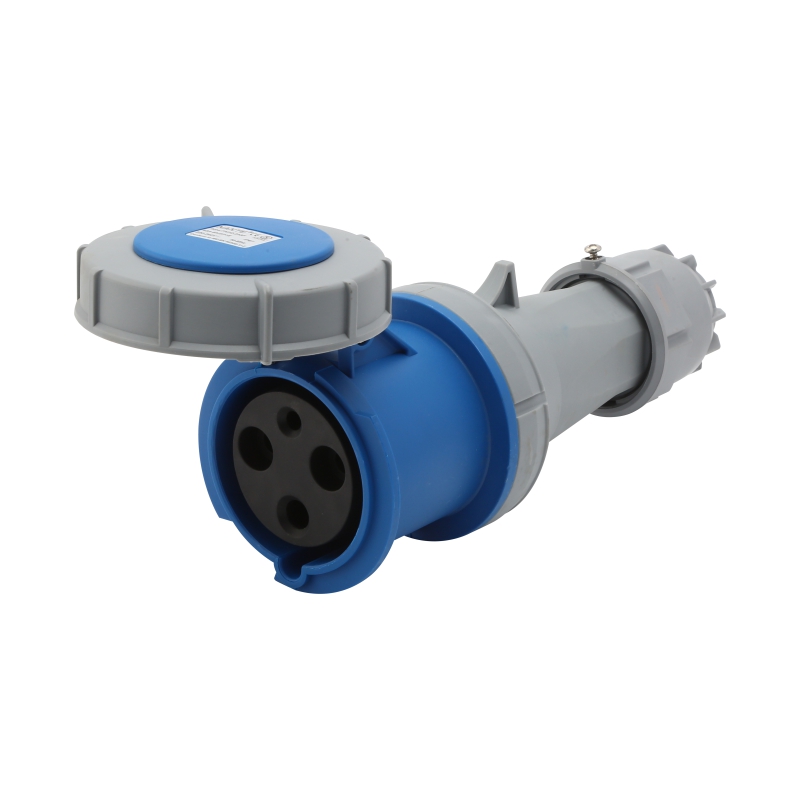
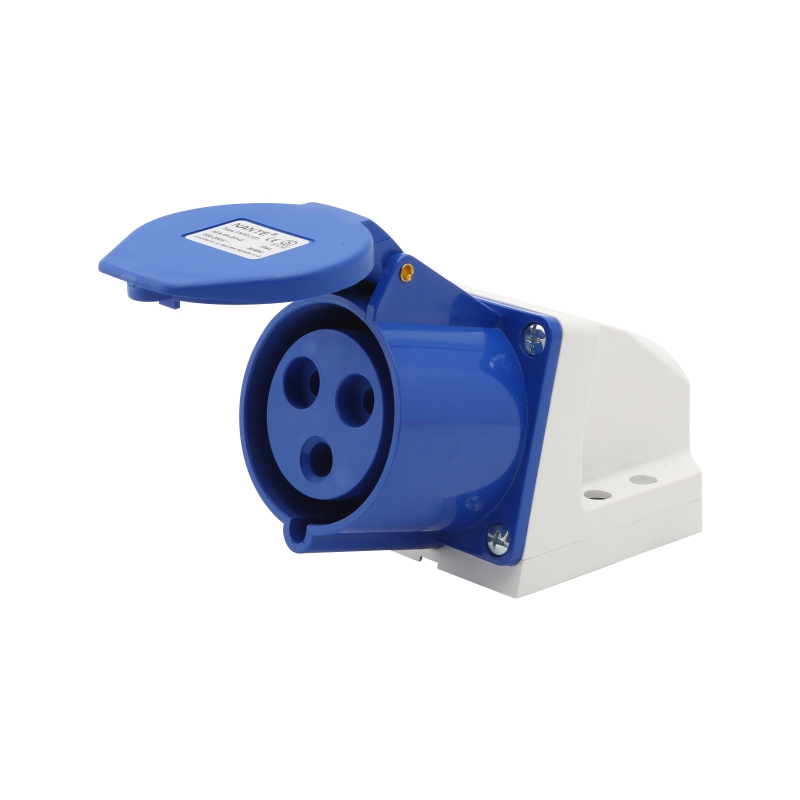
Why Is a Portable Distribution Box Becoming So Important in Worksites and Events
 Home / News / Industry News / Why Is a Portable Distribution Box Becoming So Important in Worksites and Events
 When electricity has to move with the job, planning gets more complicated. That is one reason a Portable Distribution Box has become a familiar part of many temporary power setups. It gives teams a practical way to route electricity where they need it, without waiting for permanent infrastructure to catch up.
In construction, emergency response, live events, and healthcare support spaces, power is not just about keeping machines on. It affects timing, safety, communication, and the overall flow of work. A temporary distribution system helps organizers and crews handle these demands in a cleaner, more controlled way.
Workplaces are not always fixed in one place anymore. Projects move. Event layouts shift. Recovery teams operate in unstable environments. In all of these situations, power needs can change quickly.
That is where temporary distribution solutions stand out. Instead of relying on a permanent system that may not match the setting, teams can build a setup around the actual work. This makes it easier to manage tools, lighting, equipment, and essential services without creating unnecessary delays.
The appeal is simple. When a site is active, crowded, or under pressure, people need power that is easy to organize and quick to adjust. A temporary system helps do exactly that.
Temporary power distribution is no longer limited to one type of project. It now supports a wide range of industries and situations.
Construction and industrial work
Construction sites often depend on portable power to keep work moving. Tools, lighting, and support equipment may need power before a building is fully connected to permanent service. In industrial settings, the same flexibility helps with maintenance, repair, and operations in changing spaces.
After storms, outages, fires, or other disruptions, the good challenge is often getting essential services running again. Temporary power can help teams restore lighting, communication, and basic operational support while larger systems are being repaired.
In emergency work, speed matters. A temporary setup gives responders a way to act quickly, especially when normal infrastructure is unavailable or unreliable.
Events and public gatherings
Concerts, festivals, exhibitions, and ceremonies all depend on electricity behind the scenes. Lighting, sound, stage equipment, and vendor support may all need to run at the same time. Temporary distribution makes it easier to match power supply to the layout of the event.
Healthcare and service facilities
Healthcare settings require careful planning, especially when service areas are being expanded, repaired, or reorganized. Temporary electrical support can help maintain continuity in clinics, mobile care units, and emergency treatment spaces.
In these environments, even short interruptions can create stress. Temporary power helps reduce that risk and supports smoother daily operations.
One reason this type of equipment continues to gain attention is that it solves a practical problem. Many sites need power before permanent systems are ready. Others need a flexible setup for a short period of time. Some only need support during special events or emergency operations.
A temporary distribution system offers a middle ground. It gives users a structured way to manage electricity without building a fixed installation around a short-term need.
Main advantages
These points may sound straightforward, but they matter in real operations. When work is busy, the value of an organized electrical setup becomes easier to see.
| Sector | Typical Situation | Main Benefit |
|---|---|---|
| Construction | Work before permanent power is ready | Supports ongoing site activity |
| Industry | Maintenance or shifting operations | Adds flexibility to equipment use |
| Emergency recovery | Power disruption or site damage | Helps restore essential services |
| Events | Lighting, audio, and staging needs | Supports smooth production |
| Healthcare | Temporary service continuity | Helps maintain essential care |
A temporary power setup works well only when it is part of the overall plan. That means thinking about the worksite, the equipment, the timing, and the level of demand before the system is used.
What good planning usually includes
This kind of planning helps teams avoid unnecessary problems. It also makes the whole setup easier to understand for the people using it every day.
The demand for temporary power is tied to a larger shift in how work is done. Projects are more mobile. Events are more complex. Emergency response often has to begin before conditions are fully stable. In each case, flexibility matters.
Temporary distribution systems are useful because they help teams stay ready. They do not replace permanent infrastructure, but they fill the gap when permanent systems are not enough or not available yet. That is why they continue to be used across so many different settings.
A Portable Distribution Box fits that need well because it supports controlled electrical access in environments that change from one hour to the next. For many operators, that kind of flexibility is not a convenience. It is part of the work itself.
Temporary power solutions have become part of modern operations because they answer a very real need. Whether the setting is a construction site, a festival ground, a disaster recovery zone, or a healthcare facility, dependable electricity can shape how well the work gets done.
A temporary distribution system gives teams a practical way to keep operations moving, even when the location, schedule, or conditions are less than ideal. As more industries depend on adaptable planning, this kind of equipment will likely remain a familiar part of day-to-day operations.
For teams looking at flexible power arrangements, the role of a Portable Distribution Box is clear. It helps bring order to temporary electrical needs, supports safer planning, and keeps essential work moving forward. More updates and practical resources can be found through nante.
 +86-577-62731897
 shireen@nante.com
 No.688 chezhan Road, Liushi town, Wenzhou, China
Copyright © 2024 Fly-Dragon Electrical Co., Ltd. All Rights Reserved.
 浙公网安备33038202003041号
 Privacy
Outdoor Socket Box Factory & Outdoor Electrical Distribution Panel Factory



 English
 Español
 Português
 Deutsch